

Which Families Do Engineering Materials Belong To?
- Starter
- Article
- Ages 12+
- 5 min read

Engineering materials are usually sorted into four families: metals, polymers, ceramics and composites. Metals tend to be hard, ductile and good conductors of heat and electricity. Polymers vary widely and are often soft and flexible. Ceramics are hard, brittle and resist corrosion. Composites join two materials to keep the strengths of both.
Contents
- Metal: even grid of dots
- Polymer: wavy strands
- Ceramic: staggered bricks
- Composite: fibres in a matrix
What you will learn
- Name the four families of engineering materials and the typical properties of each.
- Tell which family an object belongs to from its look, weight and cross-section.
- Explain why coatings and general property tables must be read with care.
Before you start
No prior knowledge is needed. Just notice what everyday objects are made of.
How do the four material families differ?
Each family has a typical set of properties, and that set suggests what a material suits. The University of Cambridge teaching package Classes of Materials has a table of typical properties for metals, polymers and ceramics.
| Family | Common properties | Examples |
|---|---|---|
| Metal | Hard, ductile, conduct heat and electricity | Copper wire, stainless-steel cutlery |
| Polymer | Widely variable, often soft and flexible | Polystyrene cups, polyethylene bags |
| Ceramic | Hard, brittle, corrosion resistant, electrically non-conductive | Concrete in buildings, porcelain vases and teacups |
| Composite | Combines constituents for desired properties | Load-bearing fibres in a matrix |
The composite row supplements the three-family table in that source. In the same university's package on fibre composites, a composite is a combination of two materials that show the desired properties of both constituents. For example, fibres carry tension well while the matrix carries compression well. The package lists the shared benefit as strength and stiffness combined with lightness and durability.
How can you tell which family an object belongs to?
The quickest way is to look at the surface, feel the weight, and look at a cross-section if you can. According to Classes of Materials, metals usually look reflective and metallic, ceramics are commonly matte, and polymers may be shiny or matte but are typically less dense than metals or ceramics.
Composites are harder to spot at once. Their surface may look non-uniform, and sectioning the sample may reveal fibres or particles. The package also notes that a cross-section can often help identify the materials in a component, because the inside may differ from the edge.
- Outer face looks uniform
- Cut face shows fibres
- Sectioning the sample
Why must coatings and property tables be read with care?
A coating hides the real material beneath, and a property table is only a rough guide. The package describes a coating as a covering of another material that improves the surface of an item, and calls its table a rough guideline to the properties you would expect from each class.
That is why the look of a drawing pin can mislead. The package describes one that appeared to be brass yet was magnetic. When the surface was abraded, a grey metal showed beneath, and it was steel. The steel is covered with brass for looks, and the cover also protects the surface from corrosion.
- Main core material
- Thin outer coating
Real-world example
Picture a place setting. The stainless-steel cutlery is a metal, the porcelain cup is a ceramic, and the disposable polystyrene cup is a polymer. All three serve a meal, yet each comes from a different family that suits how it is used.
Common misunderstandings
Ceramics are only china. The package's table places concrete in buildings in the ceramic family, alongside porcelain.
Polymers are always soft. The package says only that polymers vary widely and are often soft and flexible. The word "often" leaves room for exceptions.
The look tells you the material. A coating or the inner structure can differ from the surface, so a cross-section and testing are more reliable.
Frequently asked questions
Which family does concrete belong to?
Concrete belongs to the ceramic family in the Cambridge package's table, together with porcelain for vases and teacups.
Is stainless steel a metal or a polymer?
Stainless steel is a metal. The package lists stainless-steel cutlery as an example of the metal family.
Why does the material family matter?
The family lets you predict typical properties such as hardness, brittleness or electrical conduction. That is only a rough guide, so a specific part still needs testing.
Summary
- Engineering materials are usually sorted into metals, polymers, ceramics and composites, each with typical properties.
- Look, weight and cross-section help identify the family, though composites are harder to spot at once.
- A coating can hide the material beneath, and a property table is only a rough guide.
Terms in this article
English and Vietnamese terms, with the meanings used here. Hover, tap or Tab to a term with a dotted underline for an explanation as you read.
- metalkim loại
- A material family that is commonly hard, ductile and conducts heat and electricity.
- polymer
- A material family with widely variable properties, often soft and flexible.
- ceramicgốm
- A material family that is hard, brittle, corrosion resistant and electrically non-conductive.
- composite
- A material combining two materials to show the desired properties of both constituents.
- coatinglớp phủ
- A covering of another material that improves the surface of an item.
This article is not marked as viewed
Spotted something wrong or unsafe?
Tell the administrator by email. The message already has the article title and address.
More in this topic
 Starter
How Does Internal Structure Determine Material Properties?
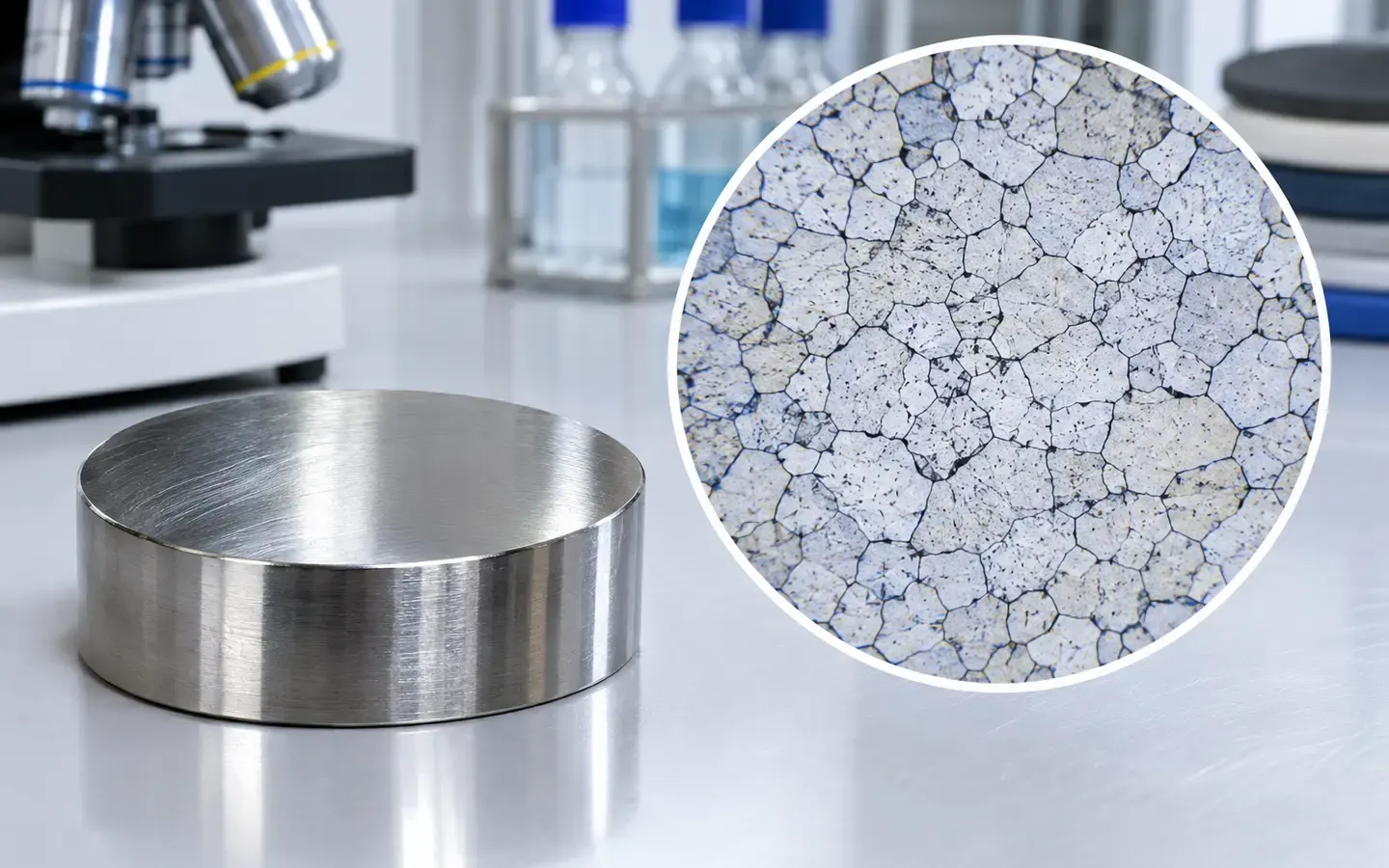
See how internal structure, from atoms to grains and fibres, shapes hardness and ductility, through dislocations, wood grain and steel cooled fast or slow.
4 min read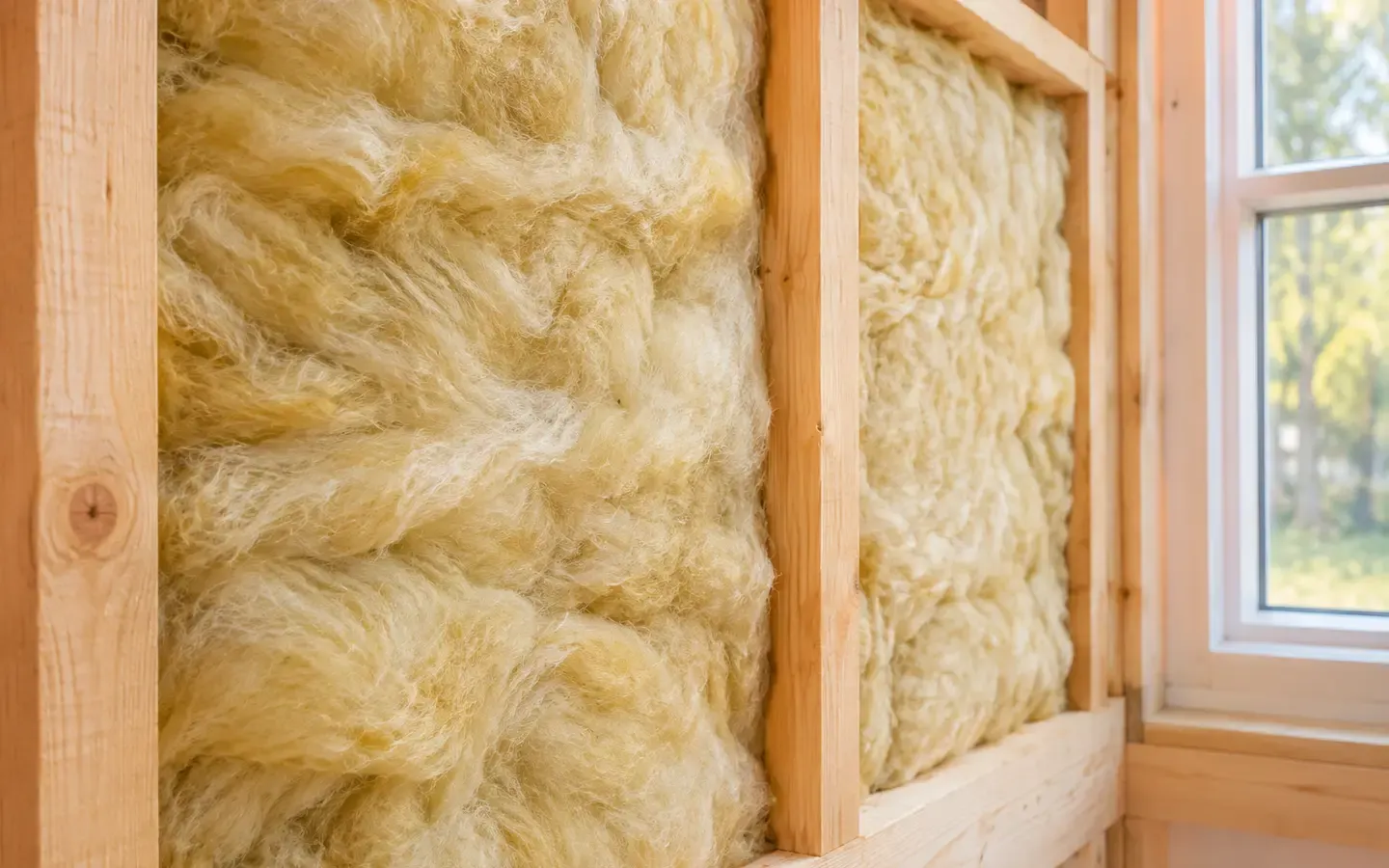 Starter
Why Can the Right Material Reduce Energy Use?
See why lightweight materials help vehicles save fuel, why insulation cuts heat loss, and what can shrink those benefits in real use.
4 min read Starter
How Does Heat Travel Through Materials?
Learn how conduction, convection and radiation differ, why metal conducts heat while foam insulates, and what an R-value says about slowing heat flow.
4 min read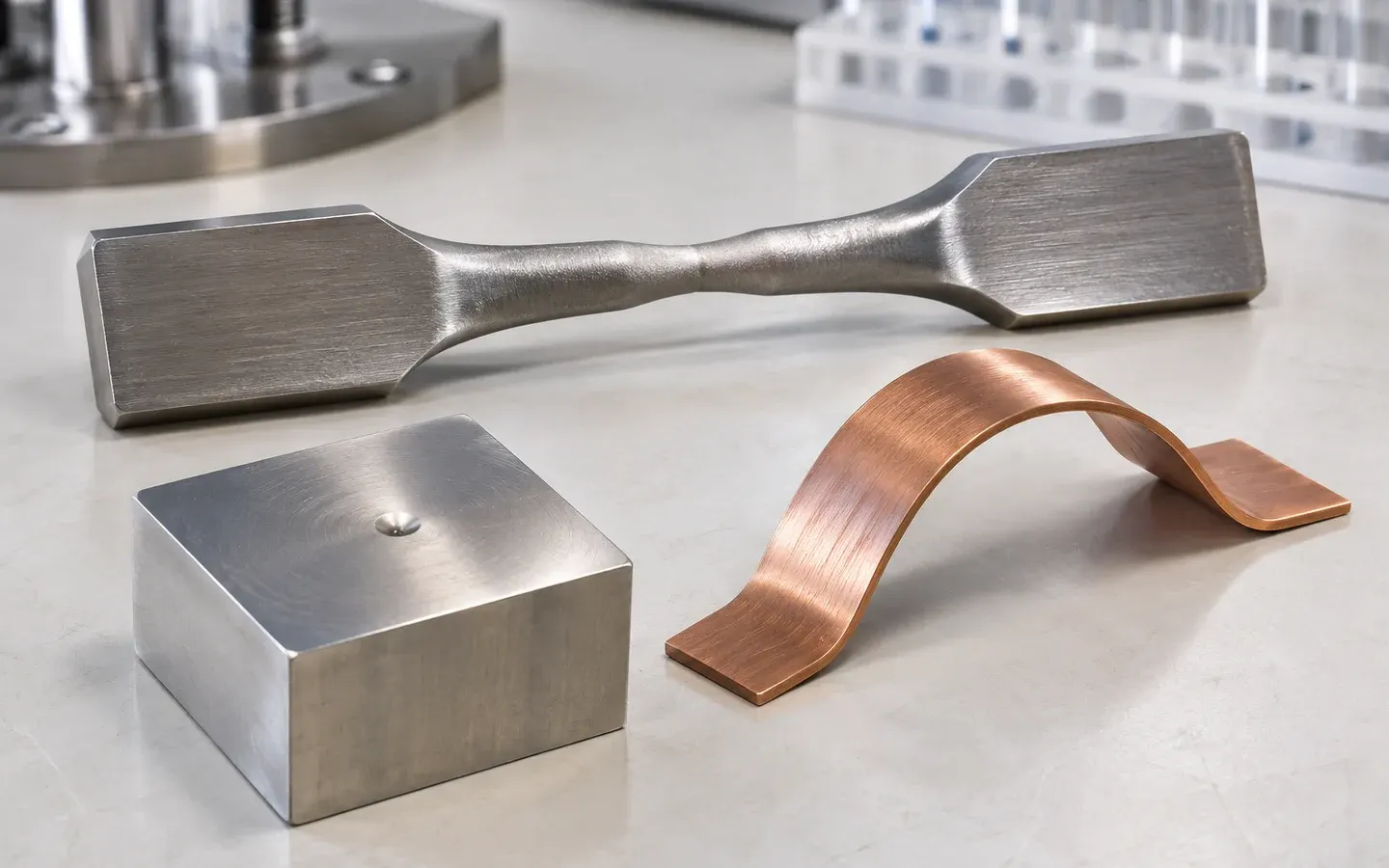 Basic
How Do Strength, Hardness and Ductility Differ?
Tell strength, hardness and ductility apart through yield strength, tensile strength and elastic and plastic deformation to read mechanical properties.
5 min read


Sources
These sources are written for older readers. If they feel hard, read them with an adult.
- Classes of Materials(opens in a new tab)
University of Cambridge, DoITPoMSTier A: government, standards or research bodiesRead on November 3, 2026
- Mechanics of Fibre-reinforced Composites (all content)(opens in a new tab)
University of Cambridge, DoITPoMSTier A: government, standards or research bodiesRead on November 3, 2026