

Explore technology by topic
Internet of Things (IoT)
Physical objects with sensors and network connections that collect, send and receive data.
 New
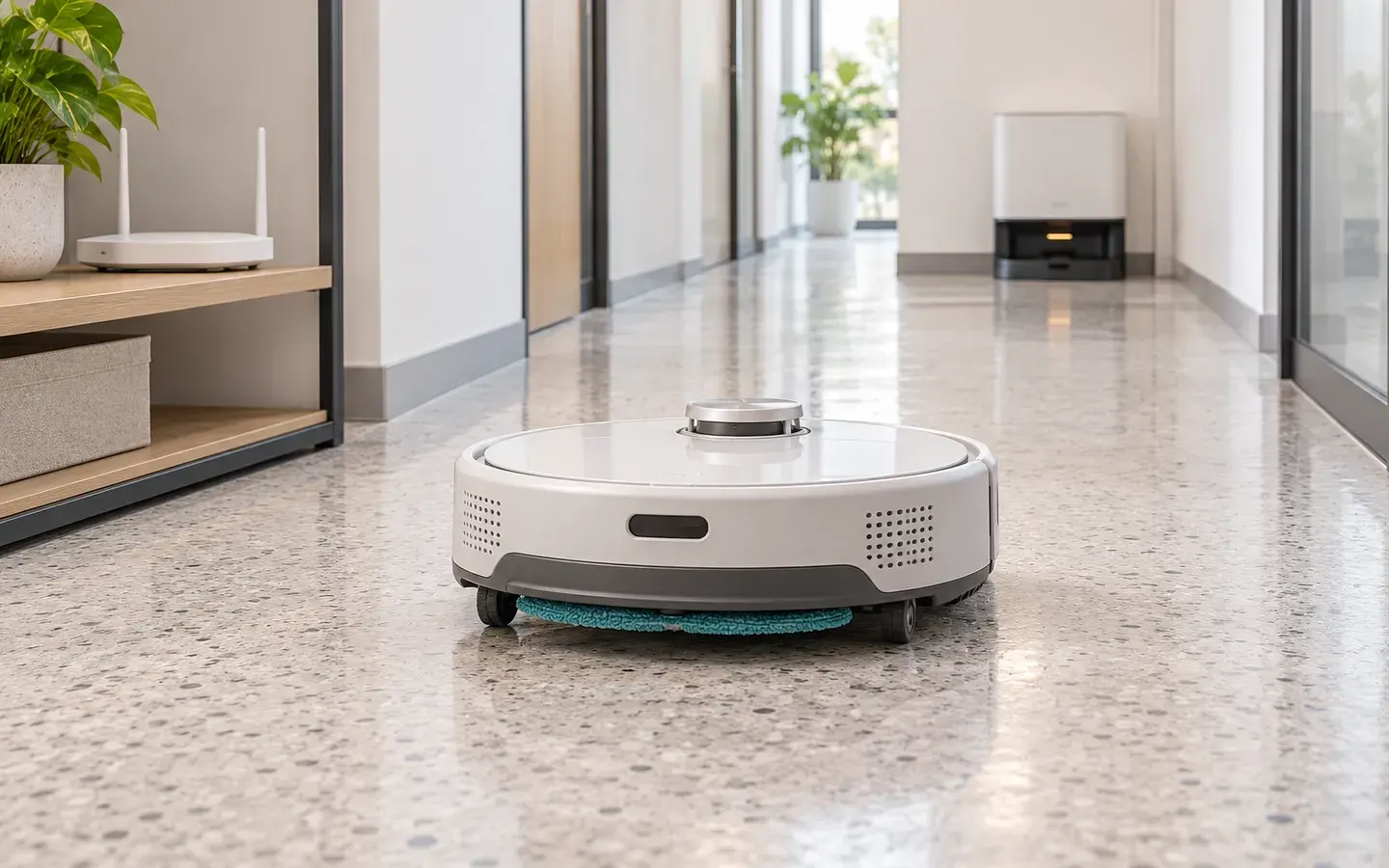
How Does a Robot Return Home When Its Link Drops?
How a mopping robot spots a lost link, stops its pump, finds the dock without a controller and rejoins: the states, failure cases and tests.
7 min read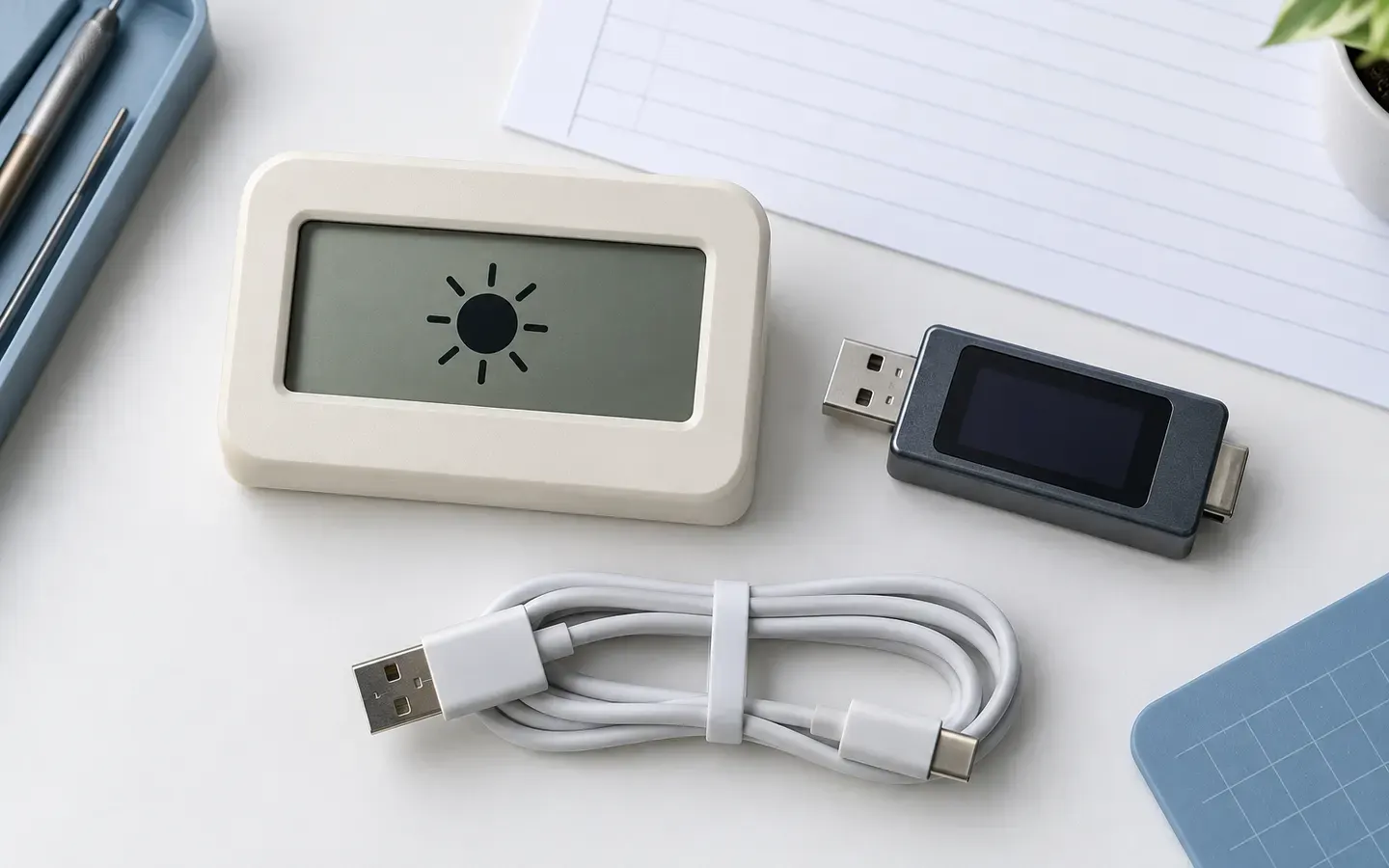 New
Testing an LCD Clock Before Enclosure Design
Test clock time, alarms, button menus, OTA and power transitions; check settings recovery, readability and energy before enclosure design.
9 min read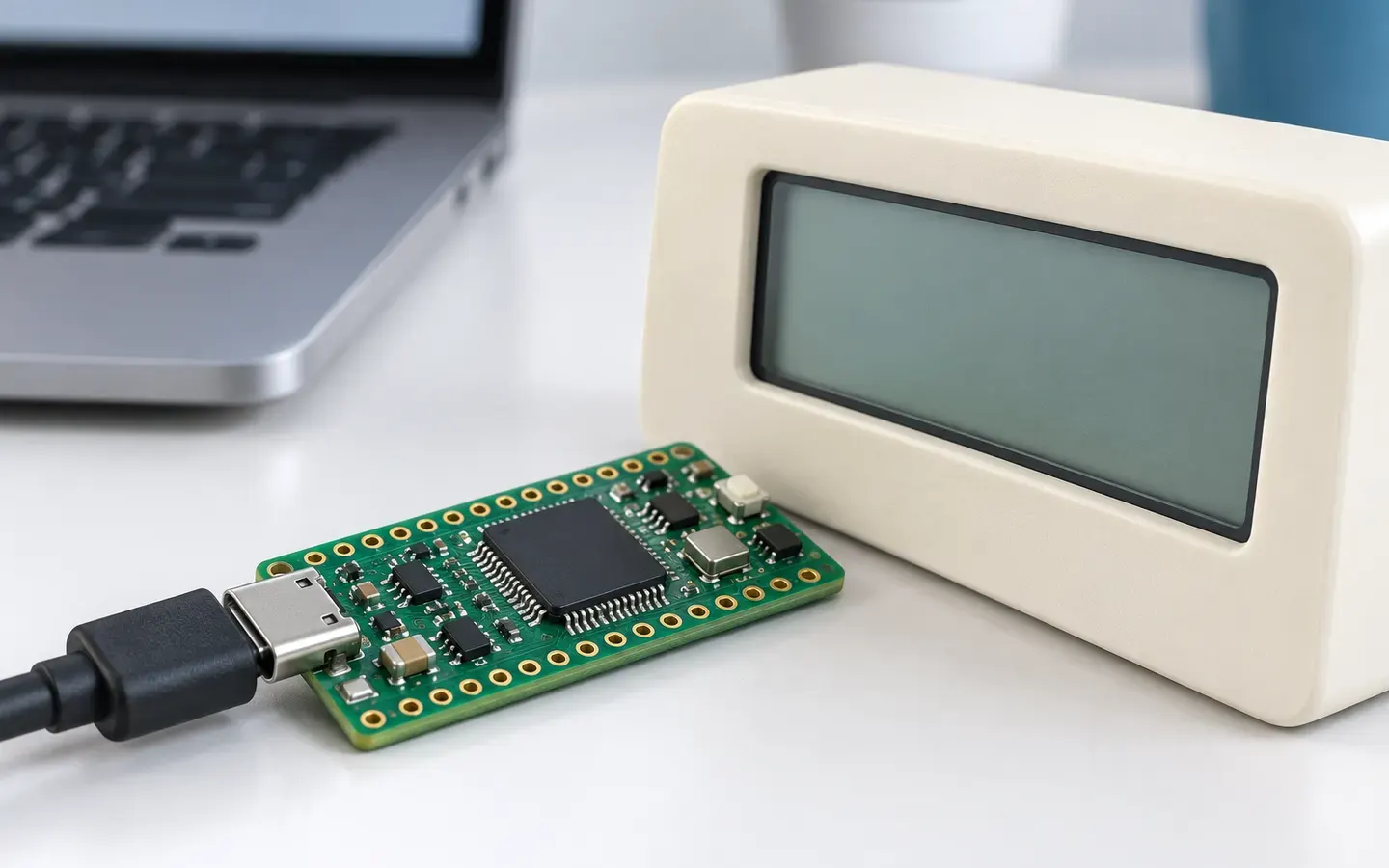 New
Writing Simple Clock Firmware with Arduino
Design clock firmware with button menus, saved alarms and OTA updates, including network failures, image verification and recovery.
14 min read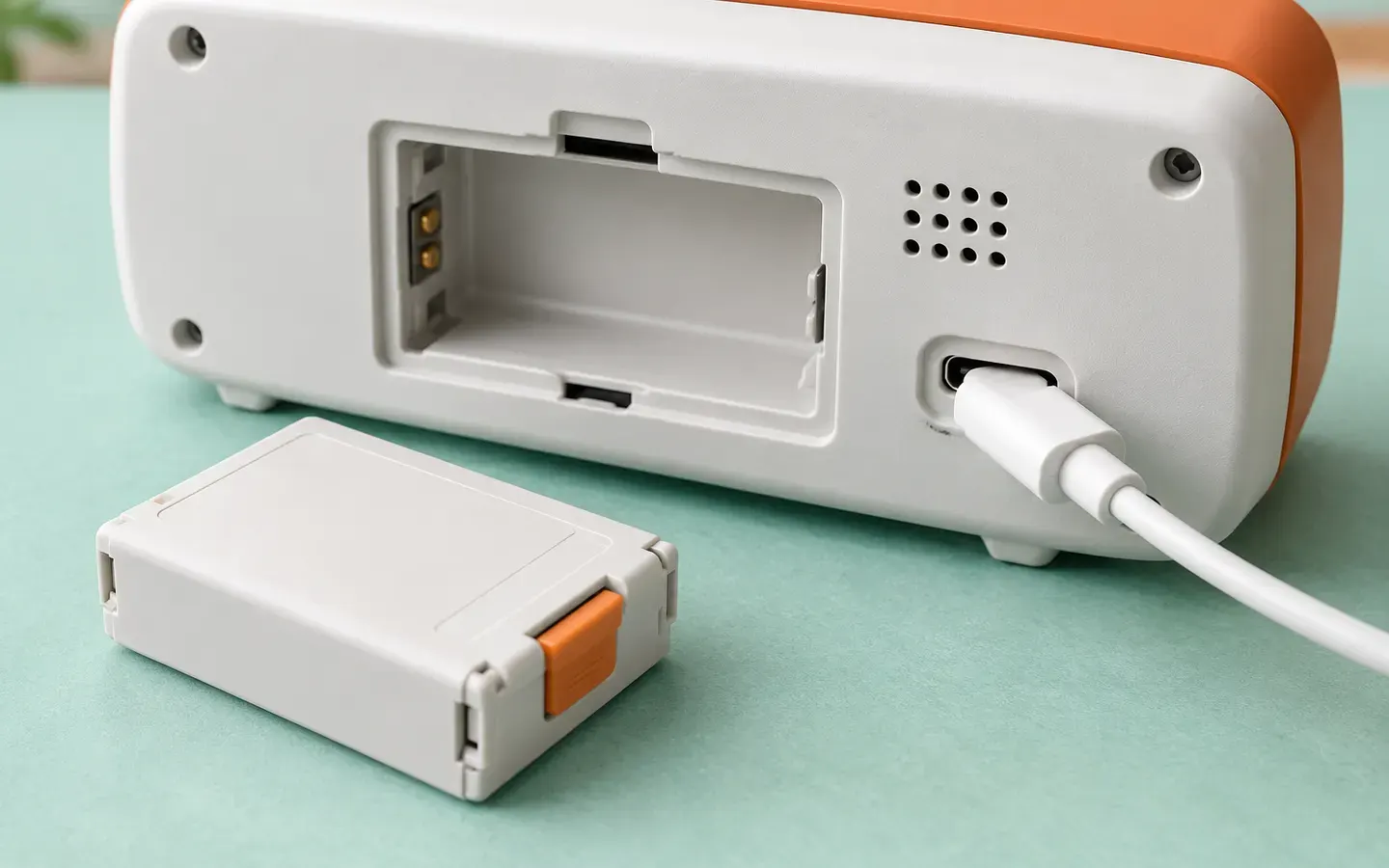 New
USB, Rechargeable Power and LCD Clock Runtime
Budget energy for an LCD clock, distinguish charging from power-path control, and measure lighting, networking and sleep costs.
7 min read


Robotics
How robots are designed, controlled and programmed so machines can sense and act in the physical world.
 New
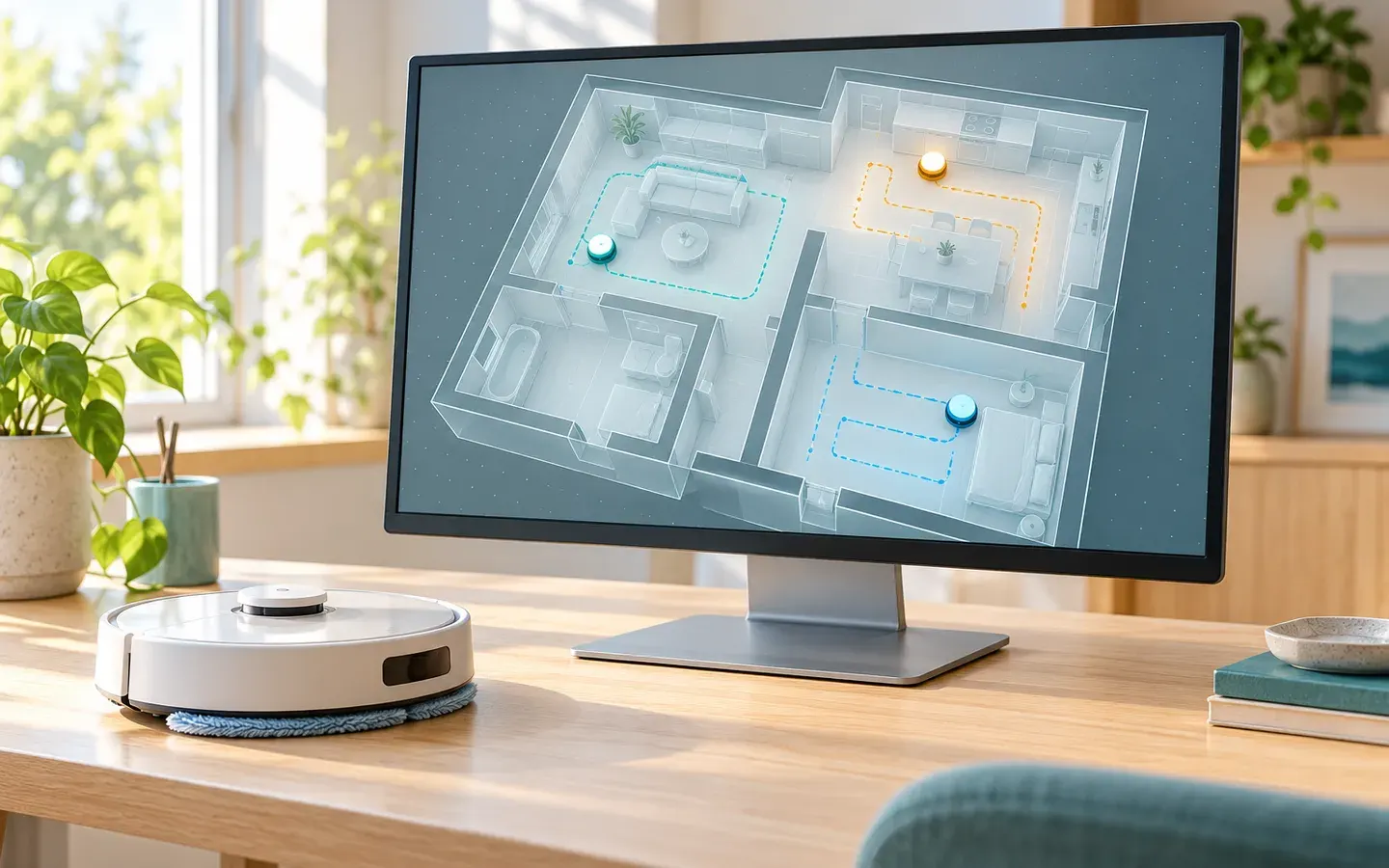
How Do You Simulate Robot Motion in a Virtual Home?
Build a virtual home for a small mopping-robot fleet: pick a simulator, add simulated sensors, link ROS 2 and run repeated acceptance runs.
8 min read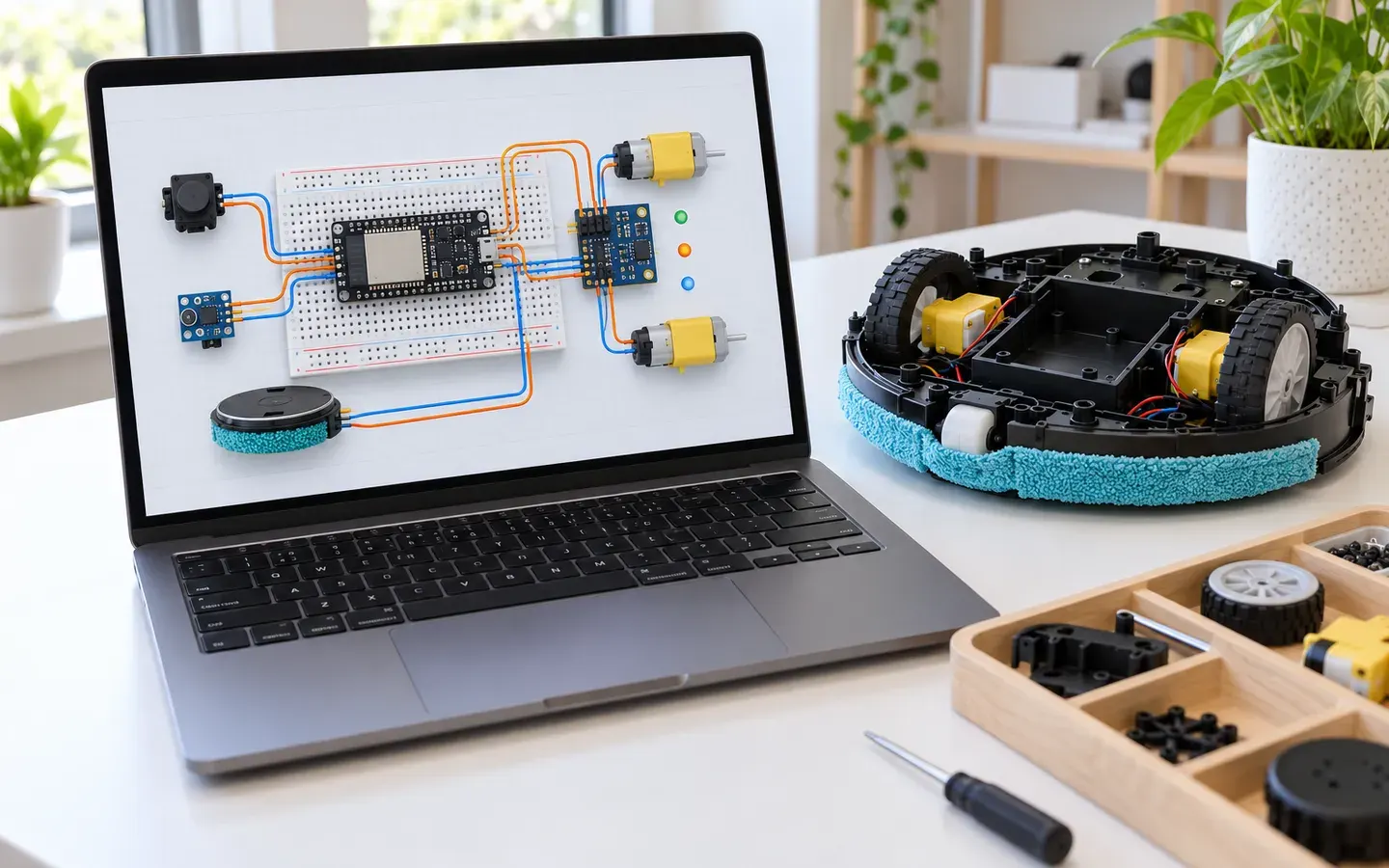 New
How Can Robot Firmware Run Before the Hardware Exists?
Three ways to test mop-robot firmware before hardware exists: host-side logic tests, microcontroller emulation and hardware-in-the-loop, and their limits.
7 min read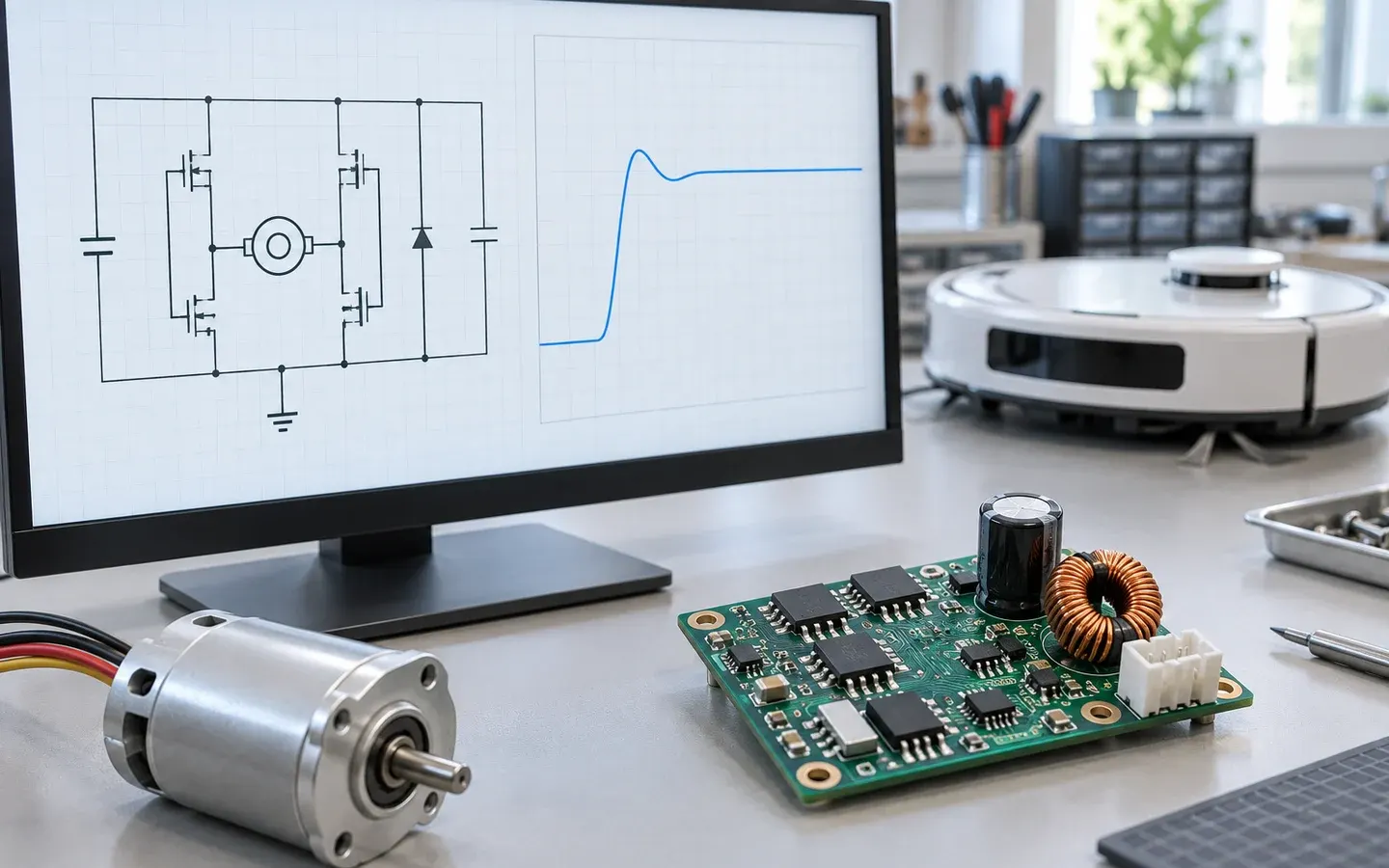 New
Which Tools Simulate a Mop Robot's Electronics?
Simulating a mop robot's circuits: SPICE tools, which circuits to test, how to read a pass or fail result and what simulation cannot replace.
7 min read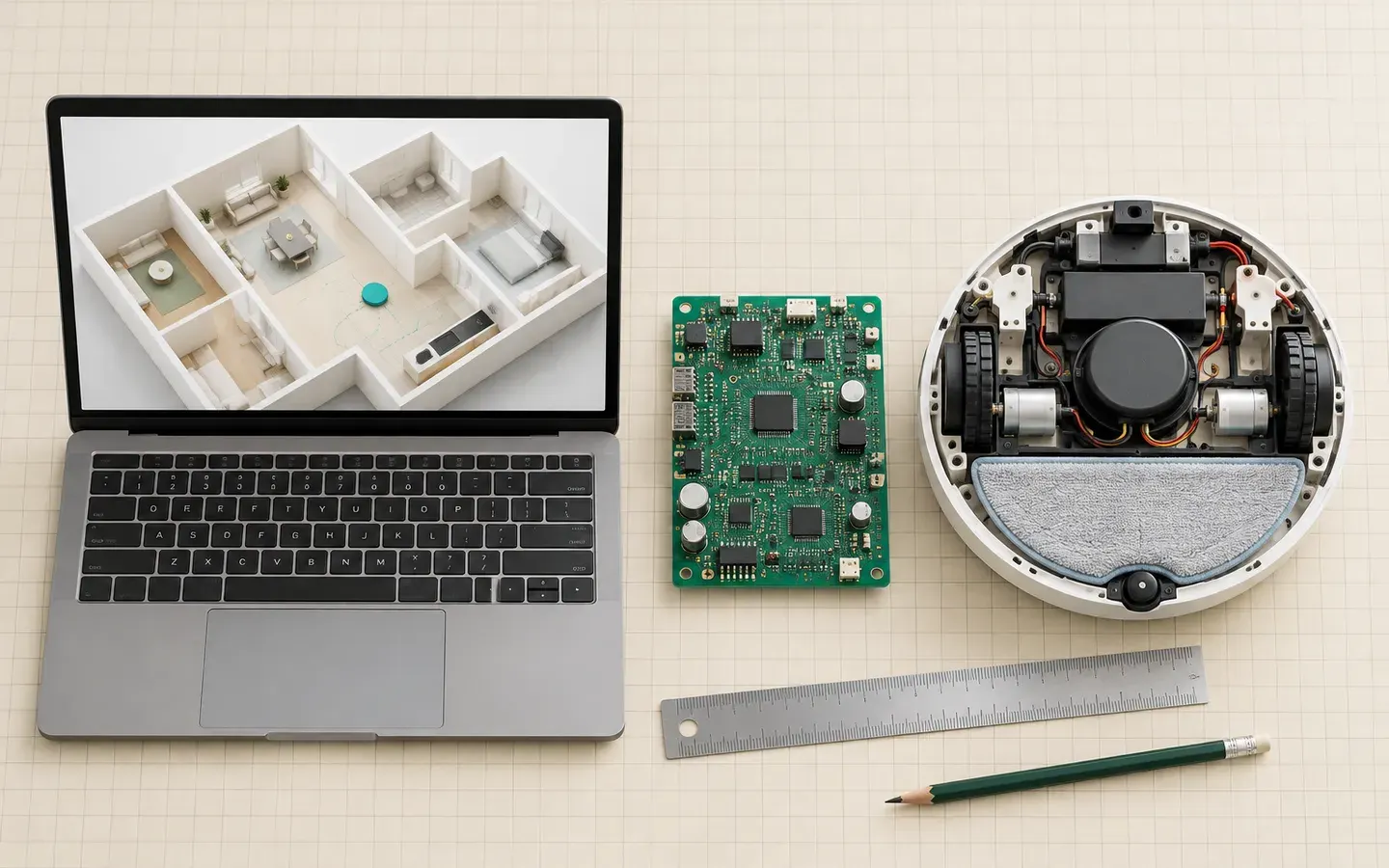 New
Which Layers of a Mop Robot Should Simulation Cover?
Four simulation layers for a mop robot: circuit, firmware, motion and fleet; what each can verify, its pass criteria and when to build a prototype.
7 min read


Artificial intelligence
Methods that let computers learn from data to recognise patterns, make predictions and take decisions.
 New
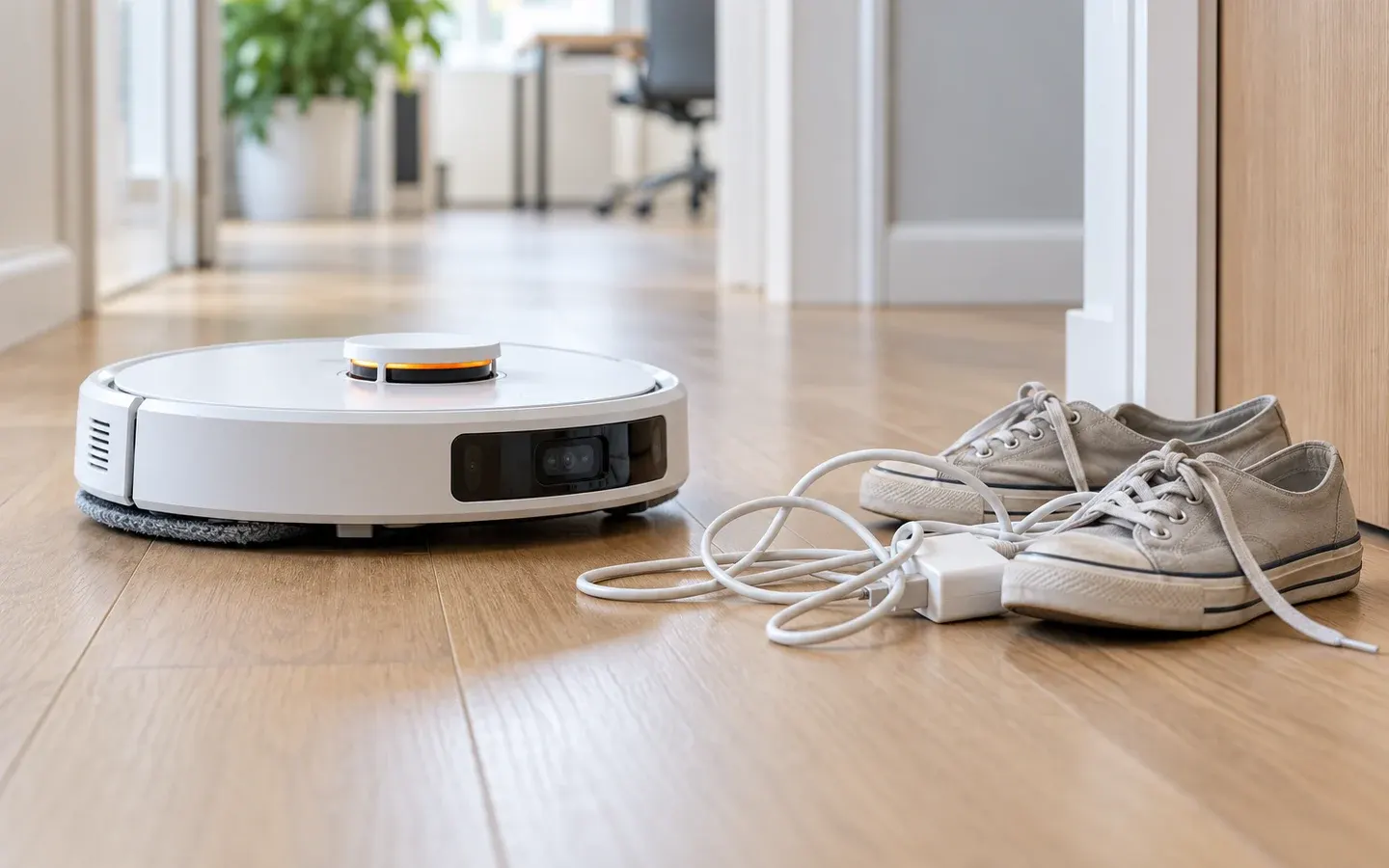
How Can a Mop Robot Spot Clutter and Alert a Person?
How a mop robot merges bumps, jams, unreachable cells and still frames into a clutter score per zone, then alerts a person at the right time.
7 min read New
How Can a Spoken Command Be Matched to What the Camera Sees?
Learn how to match spoken intent and attributes with camera candidates, handle multiple matches and clarify ambiguity.
4 min read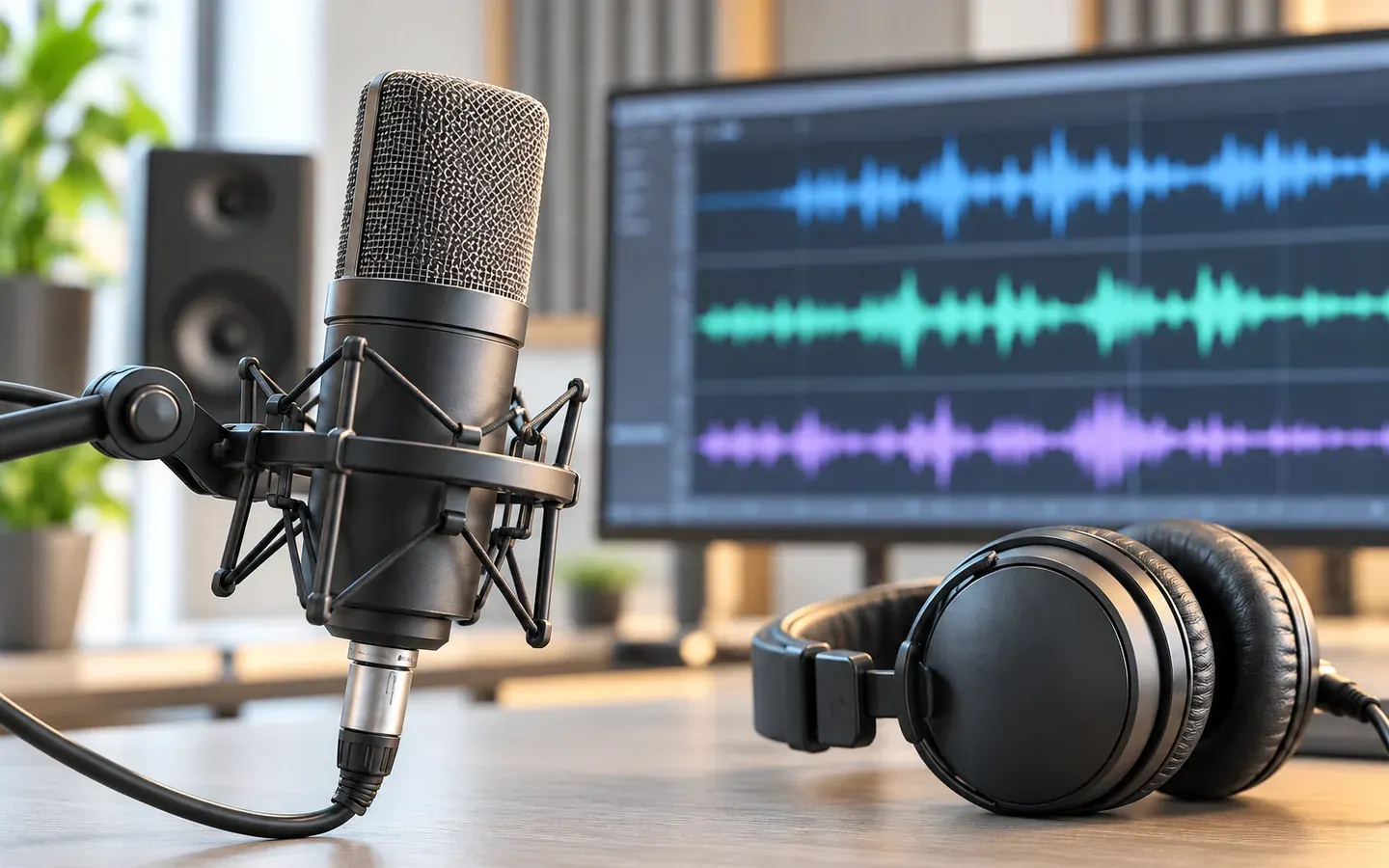 New
How Can Voice Command Errors Be Measured?
Calculate word-level and command-level recognition errors with explicit formulas, denominators, hypothetical examples and rejection handling.
5 min read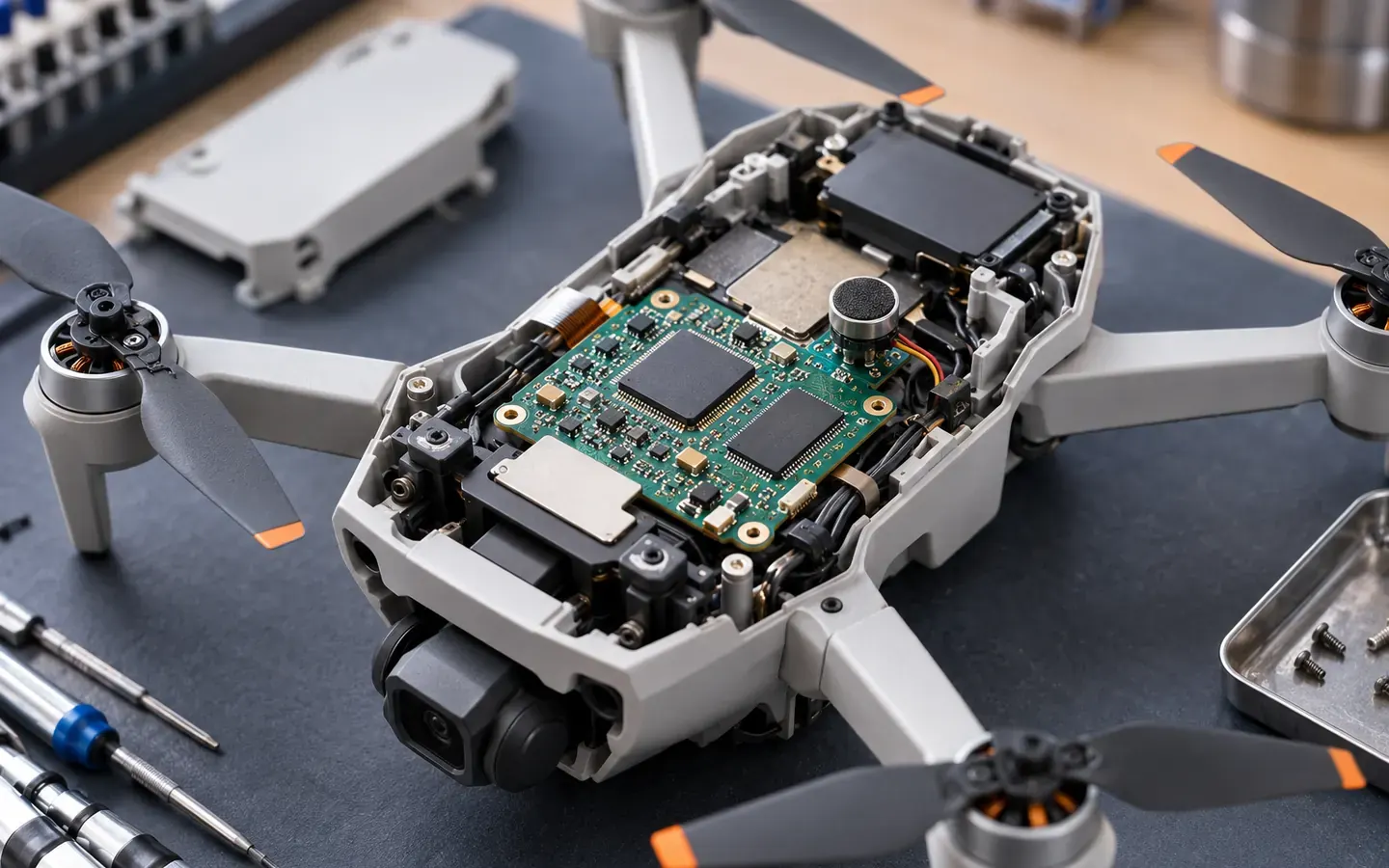 New
What Does Offline Speech on Embedded Hardware Need?
Learn the ASR model, audio format, board resources and how to measure offline transcripts on target hardware.
7 min read


Energy technology
How energy is generated, stored and used, with a focus on green energy and batteries for mobile devices.
 New
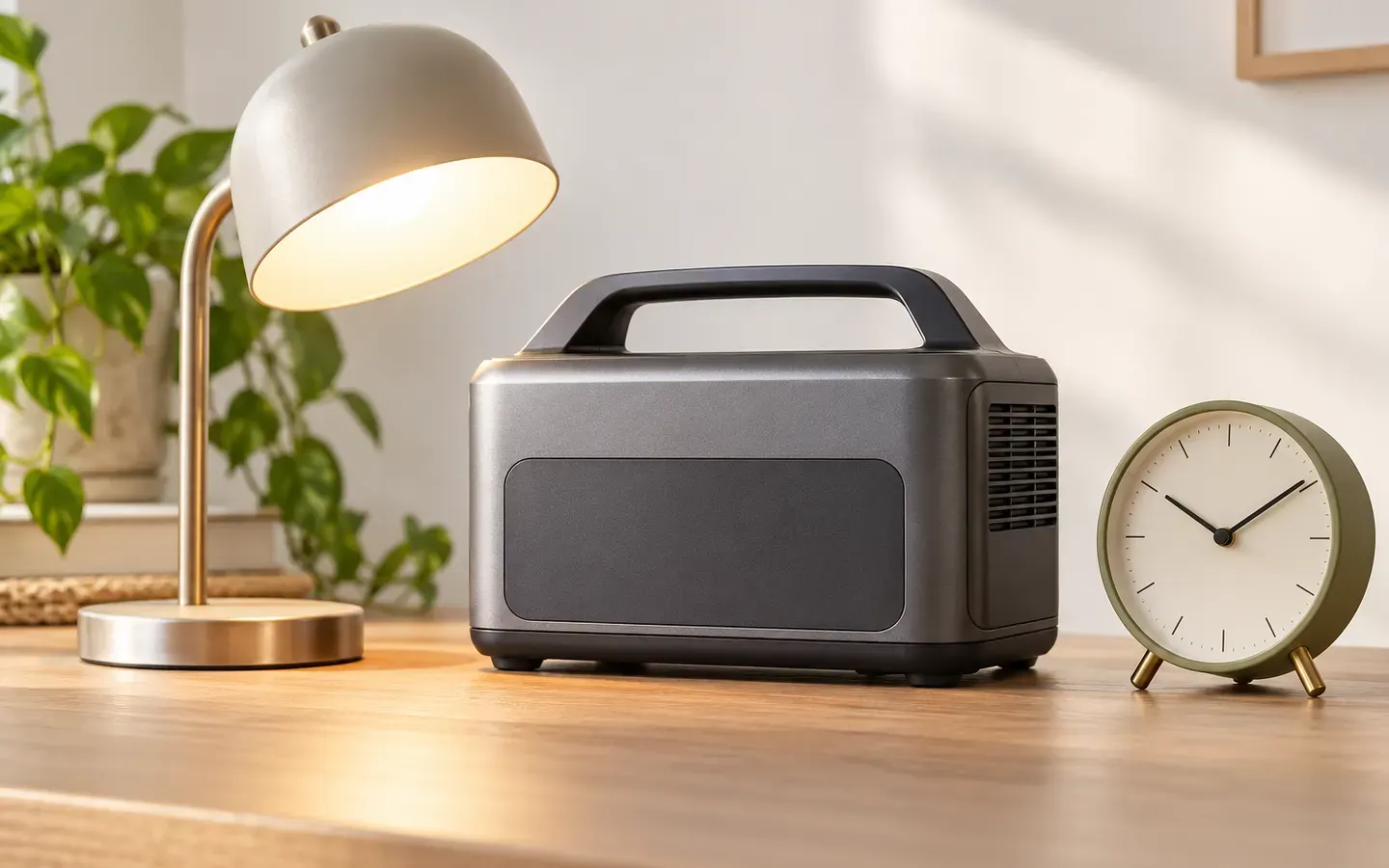
How Do Watts and Watt-Hours Differ?
Distinguish watts of power from watt-hours of energy using a lamp and running time; read battery and consumption figures without mixing quantities.
3 min read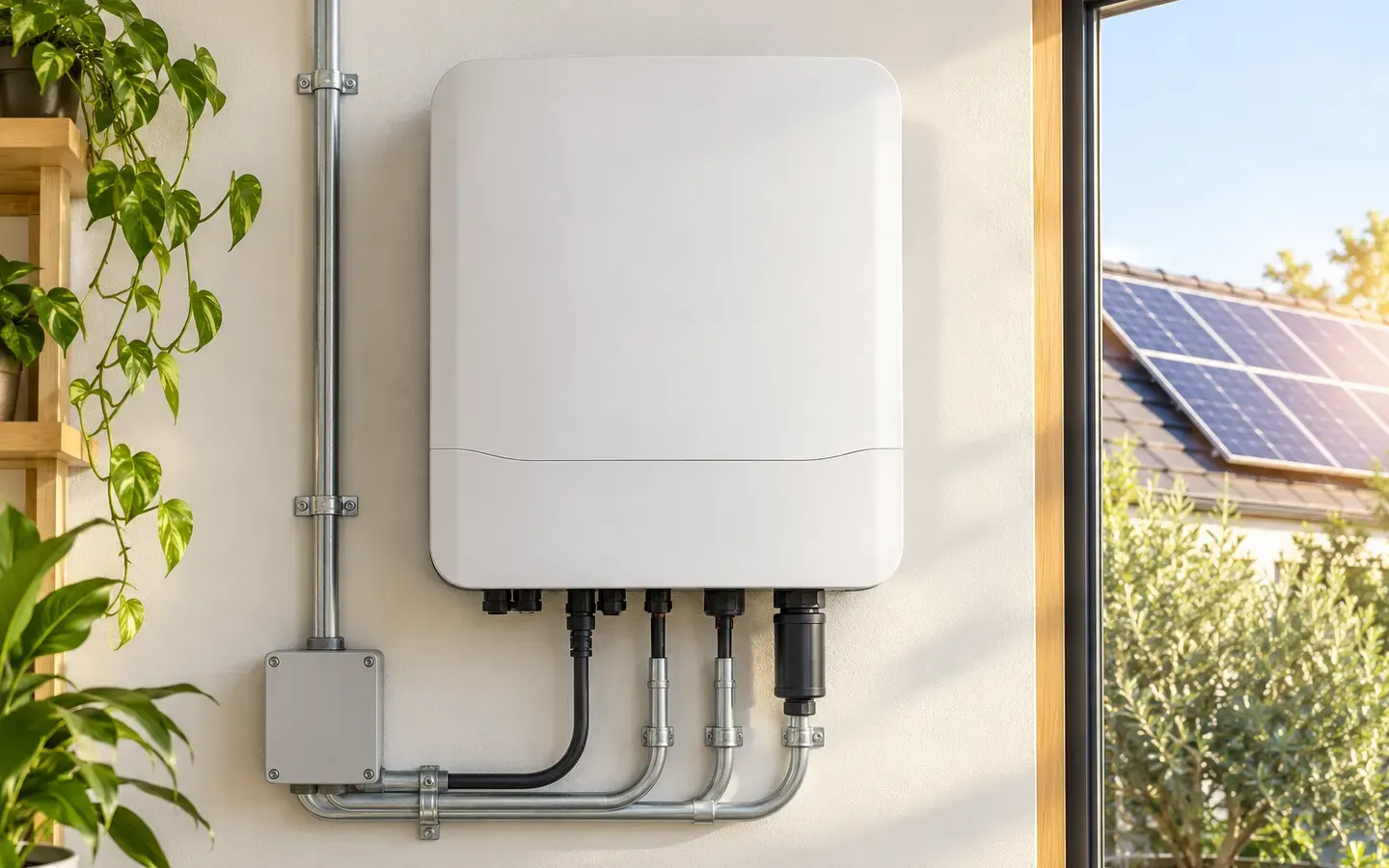 New
What Does a Solar Inverter Do?
Trace solar-panel DC through switching and filtering into AC; understand the inverter role, grid coordination and limits during an electricity outage.
3 min read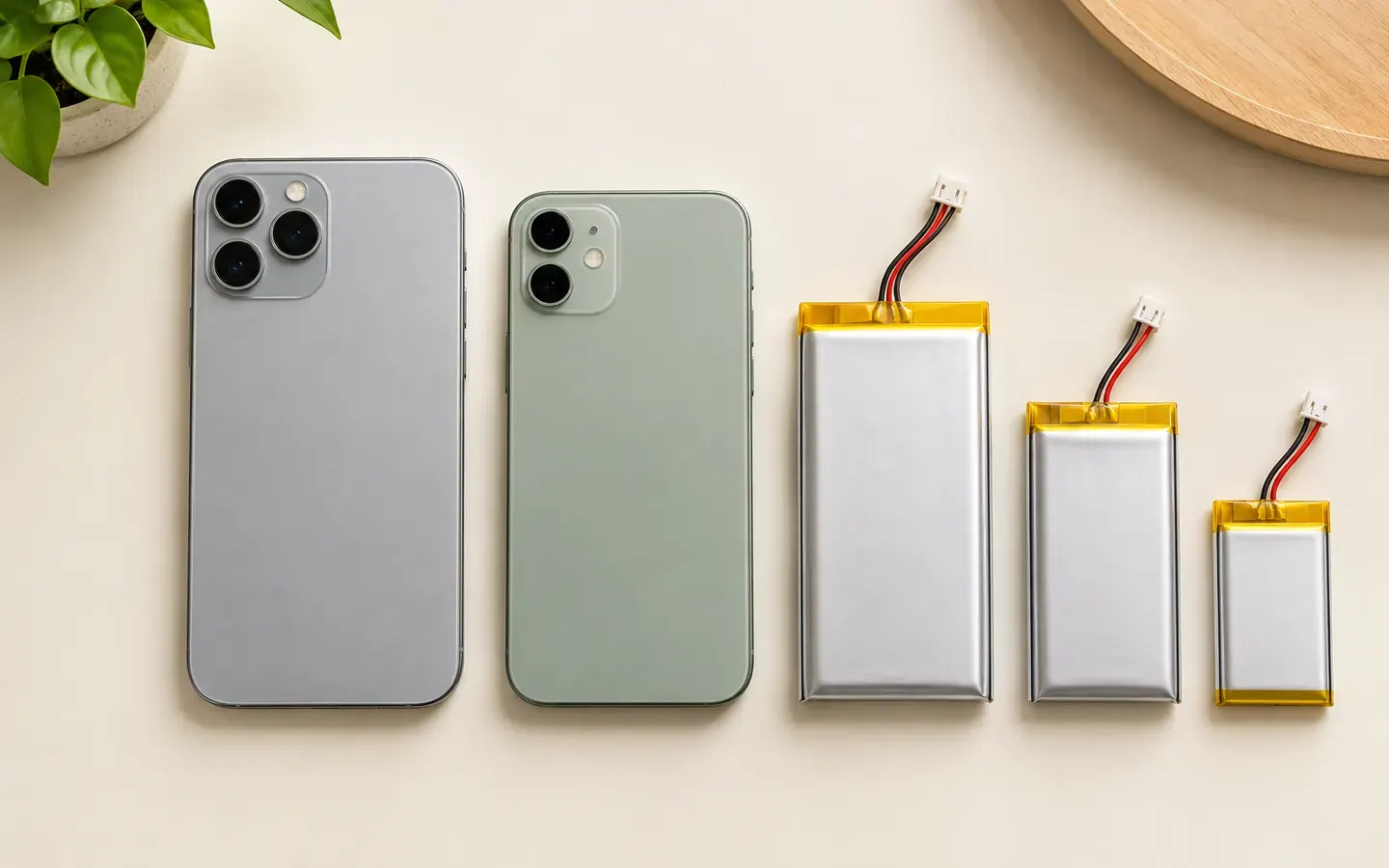 New
How Does Battery Capacity Affect Runtime?
Relate battery energy, power demand and runtime; compare devices under matching conditions rather than judging only capacity or remaining percentage.
3 min read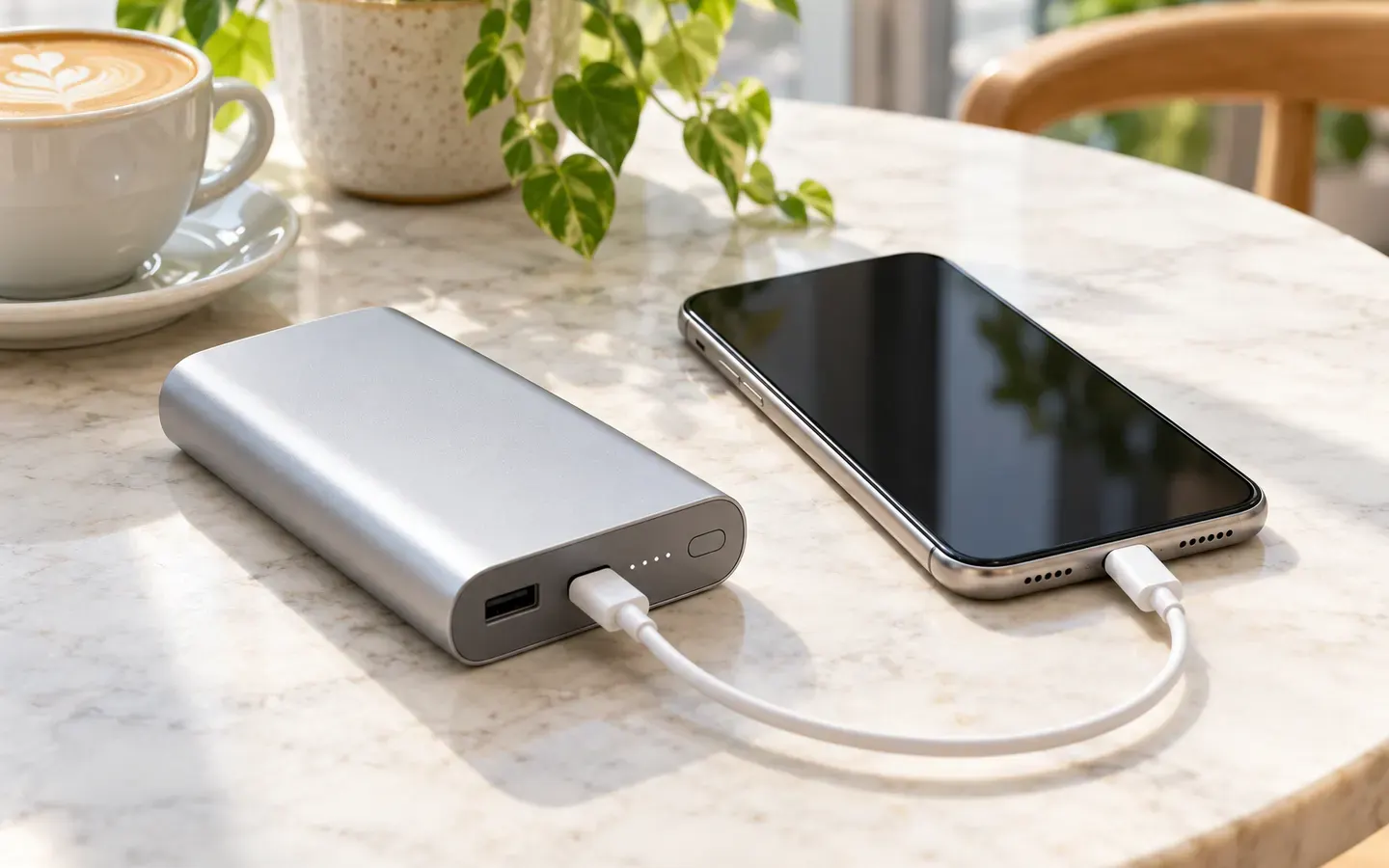 New
How Do Power Banks Store and Deliver Energy?
Trace energy while charging and using a power bank; distinguish chemical storage, charging control and output voltage conversion in an illustrative design.
3 min read


Environmental restoration
Methods that bring damaged land, water and ecosystems back to a healthier state.
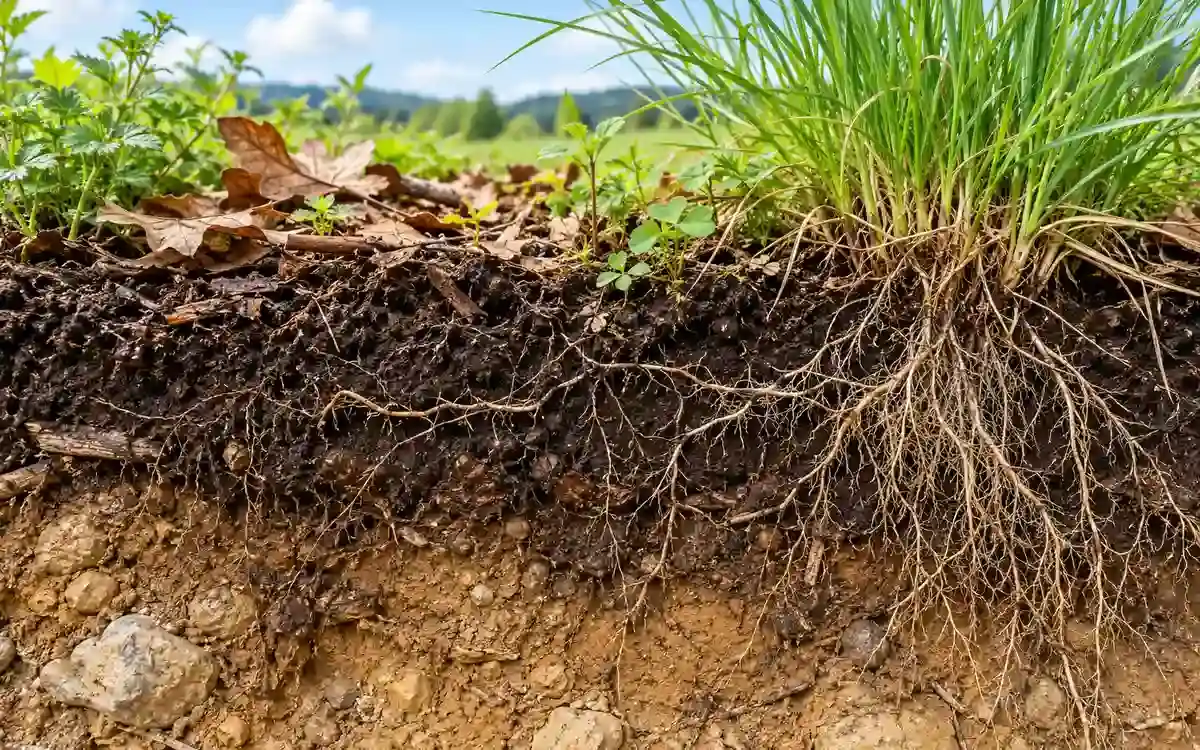 New
How Does Healthy Soil Support Ecosystem Recovery?
Trace soil roles in water, roots and nutrients; learn why reduced disturbance, cover and organic matter support ecosystem recovery.
3 min read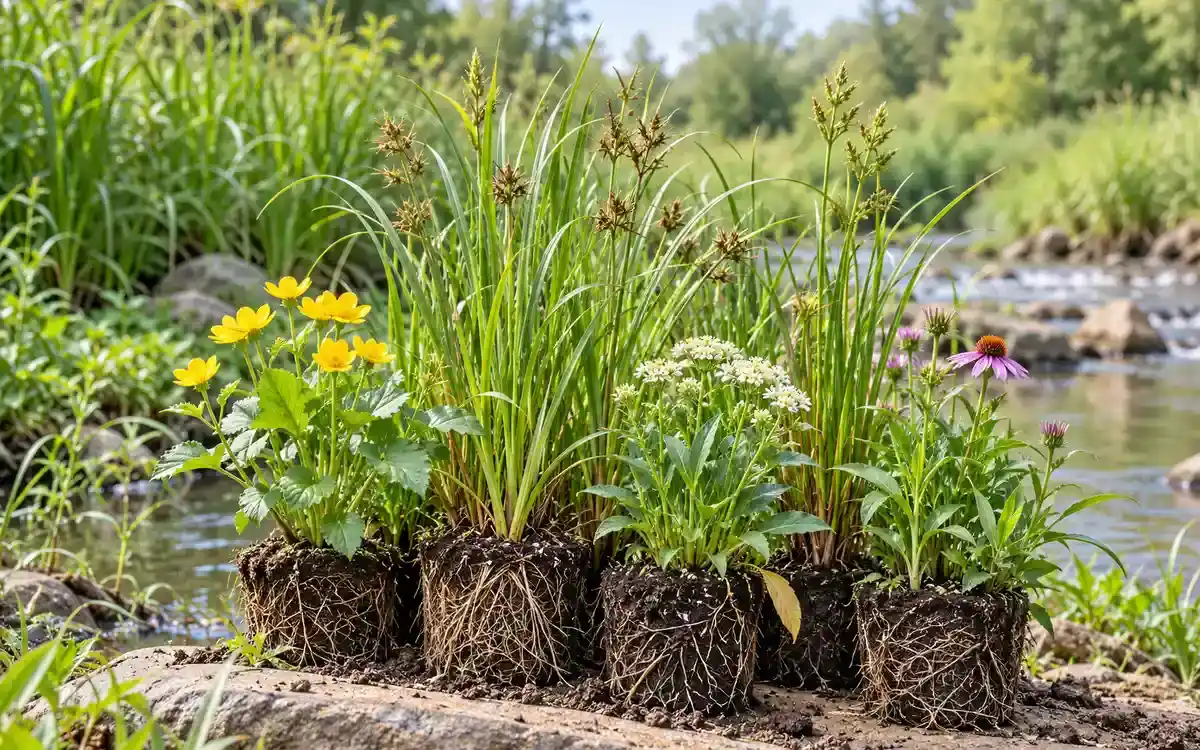 New
Why Use Native Plants in Restoration?
Understand native-community recovery through habitat conditions, natural regeneration and invasive-species control, beyond green or fast-growing cover.
3 min read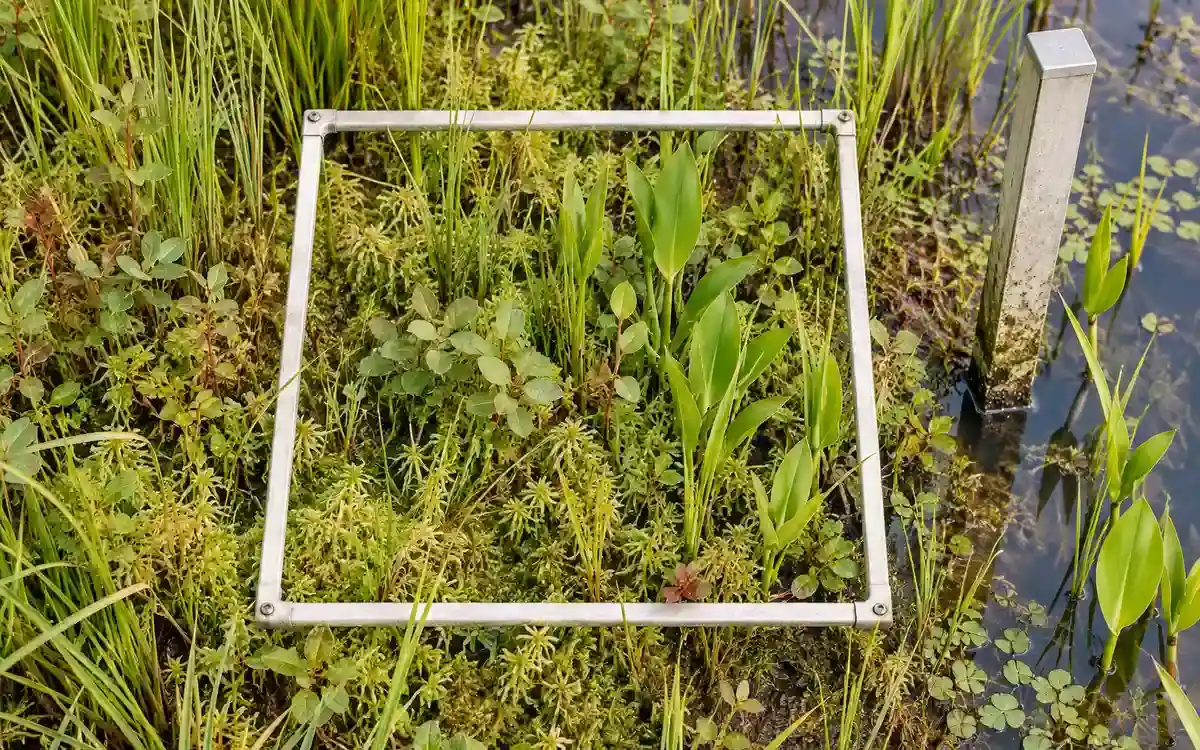 New
How Do We Measure Ecosystem Recovery?
Set goals, select indicators, record a baseline and compare a reference site; use monitoring results to adapt rather than conclude from a green photograph.
3 min read New
How Do Degraded Wetlands Recover?
Follow wetland recovery from reducing degradation pressures to restoring water regimes, vegetation and monitoring of ecological functions over time.
3 min read


Recycling technology
How used materials are collected, sorted and processed so they can be used again.
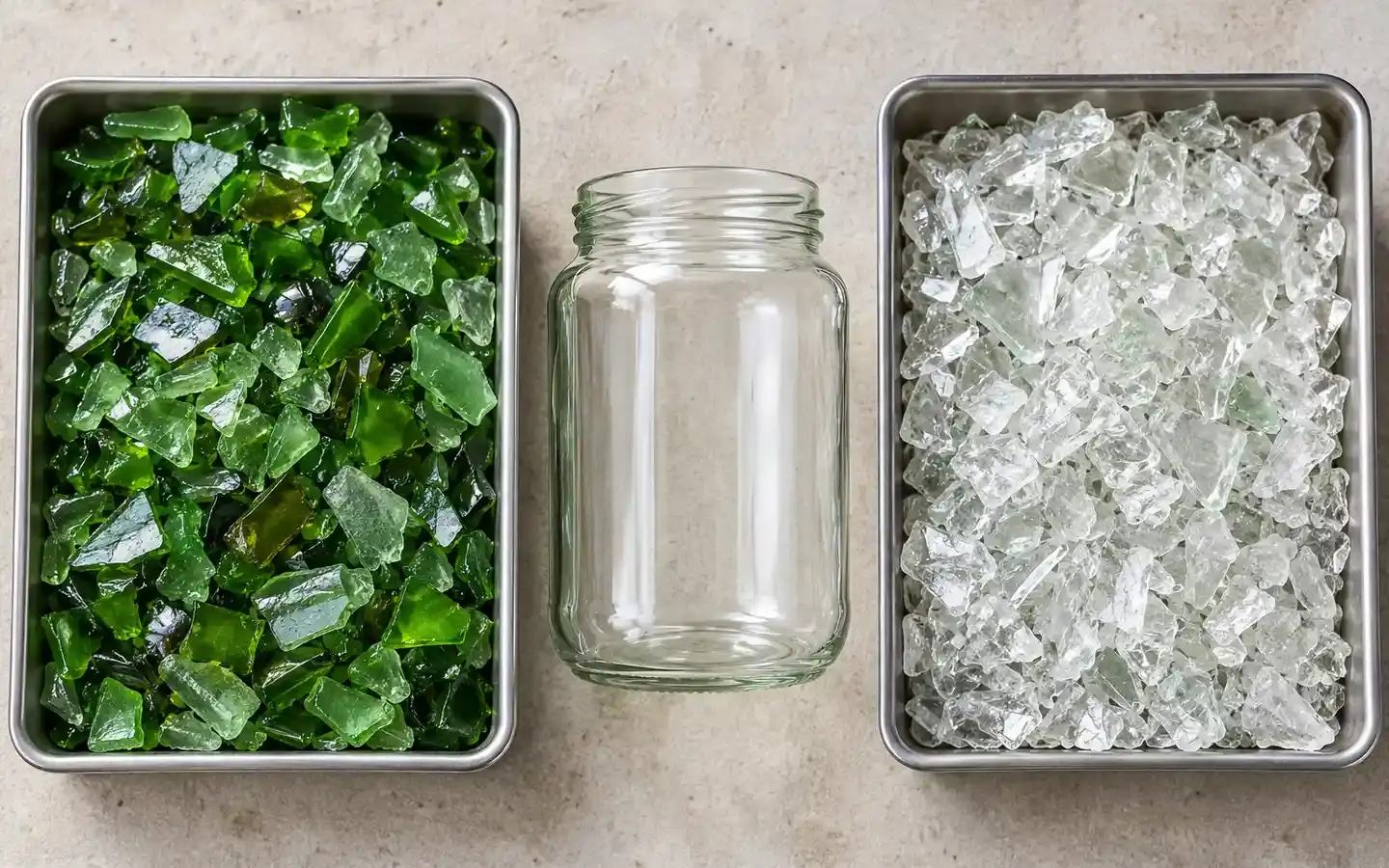 New
How Is Glass Recycled?
Follow glass bottles through sorting, contaminant removal, cullet preparation and remoulding; distinguish material recyclability from local collection.
3 min read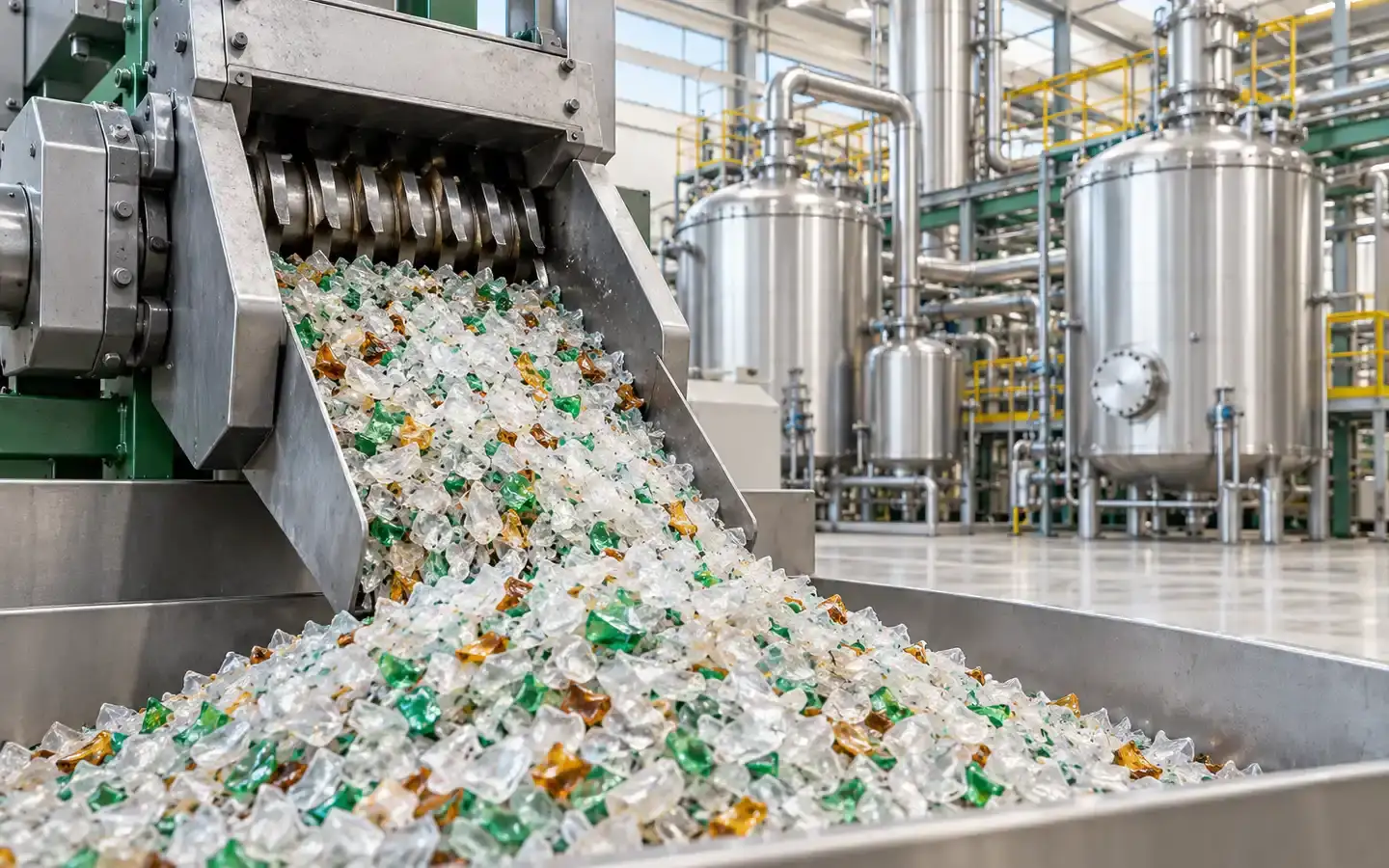 New
How Do Mechanical and Chemical Recycling Differ?
Compare mechanical and chemical recycling by polymer changes, inputs and outputs; distinguish depolymerization, purification and fuel-producing pathways.
3 min read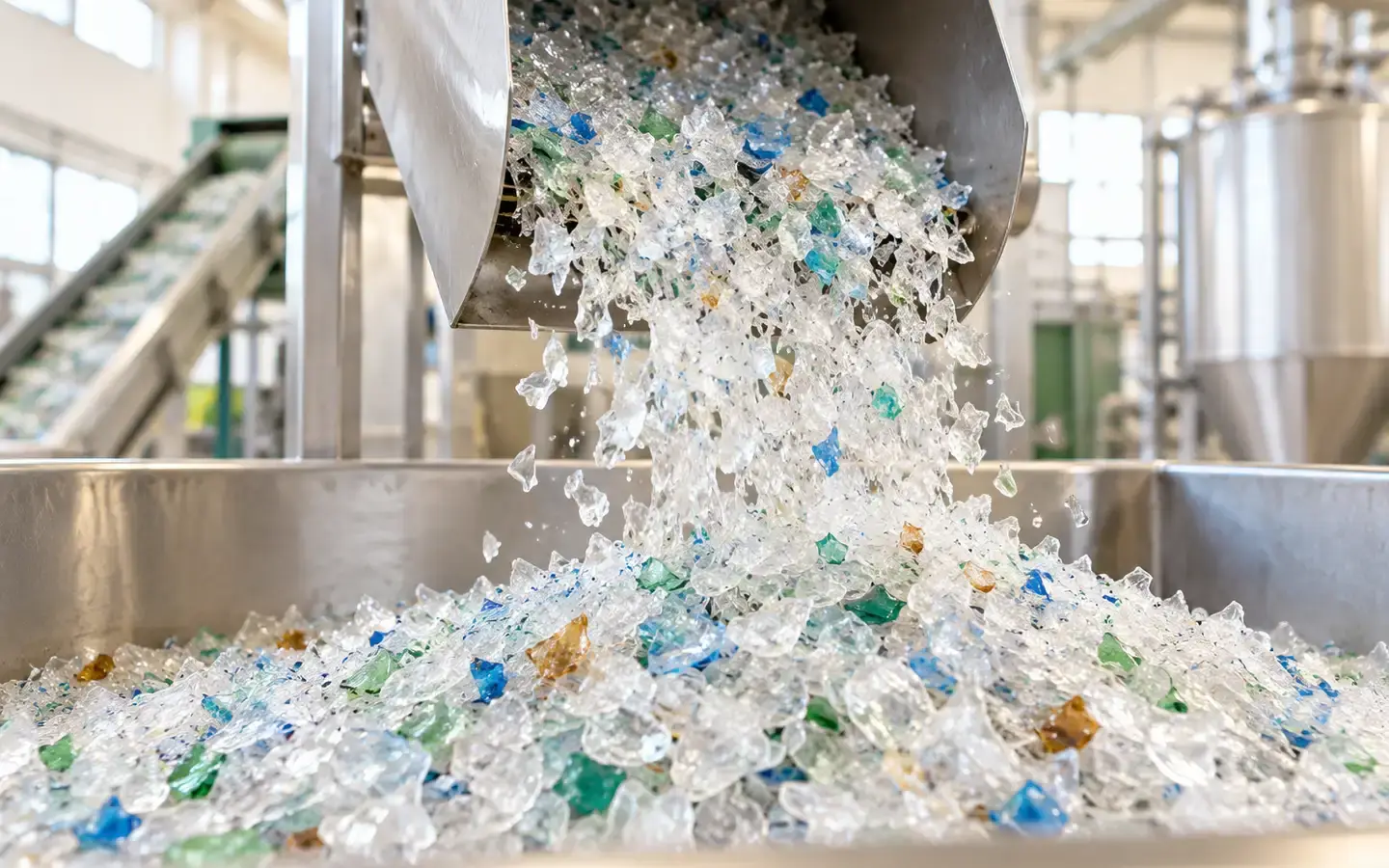 New
How Is Plastic Recycled?
Follow plastics through sorting, cleaning, shredding and reprocessing; understand why incoming material and local collection determine practical recycling.
3 min read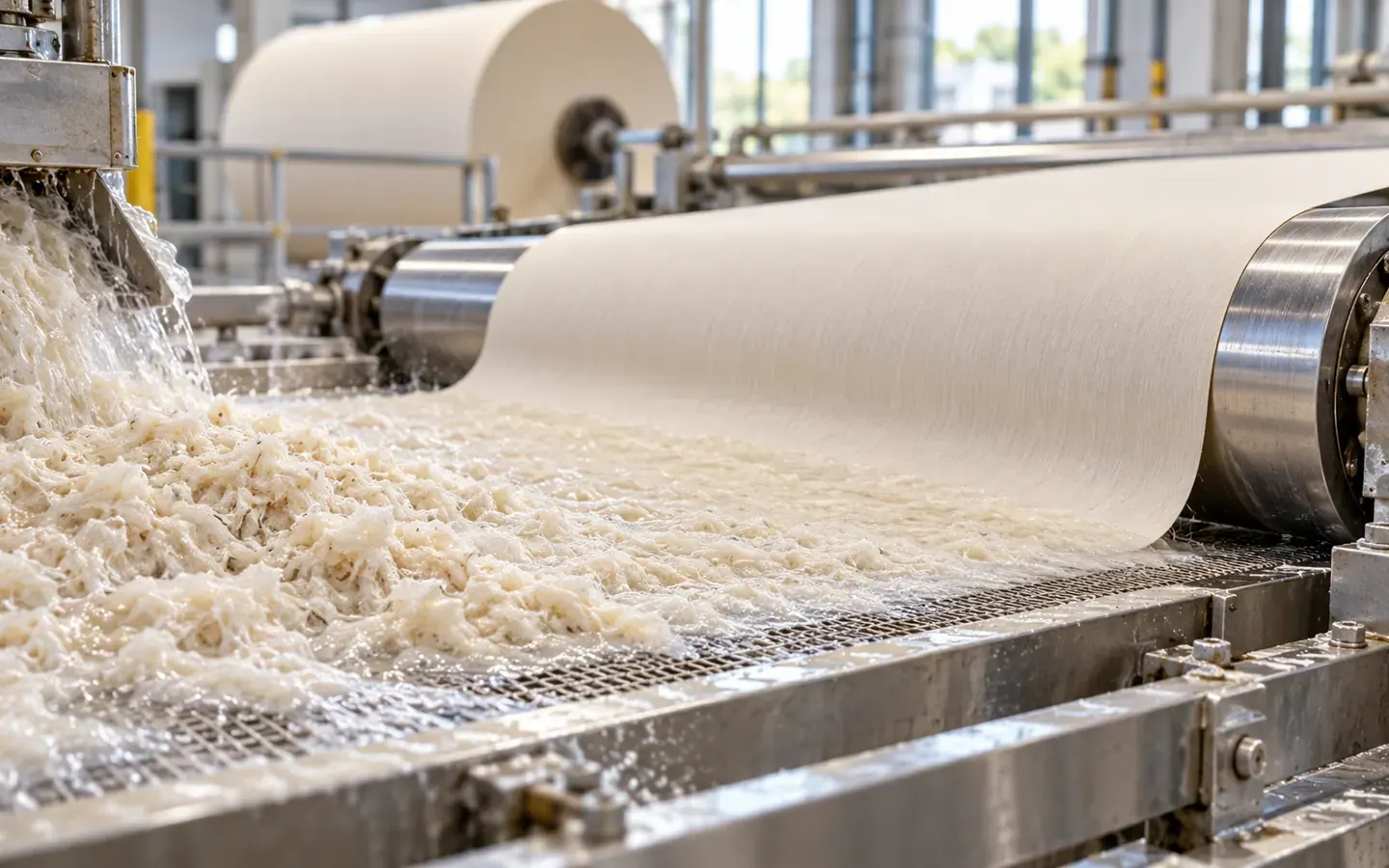 New
How Is Paper Recycled into New Products?
Follow recovered paper through pulping, contaminant removal and new-sheet formation, and learn why fibres cannot be recycled indefinitely.
5 min read


Semiconductors
Materials whose electrical conductivity lies between a conductor and an insulator, used to make electronic components.
 New
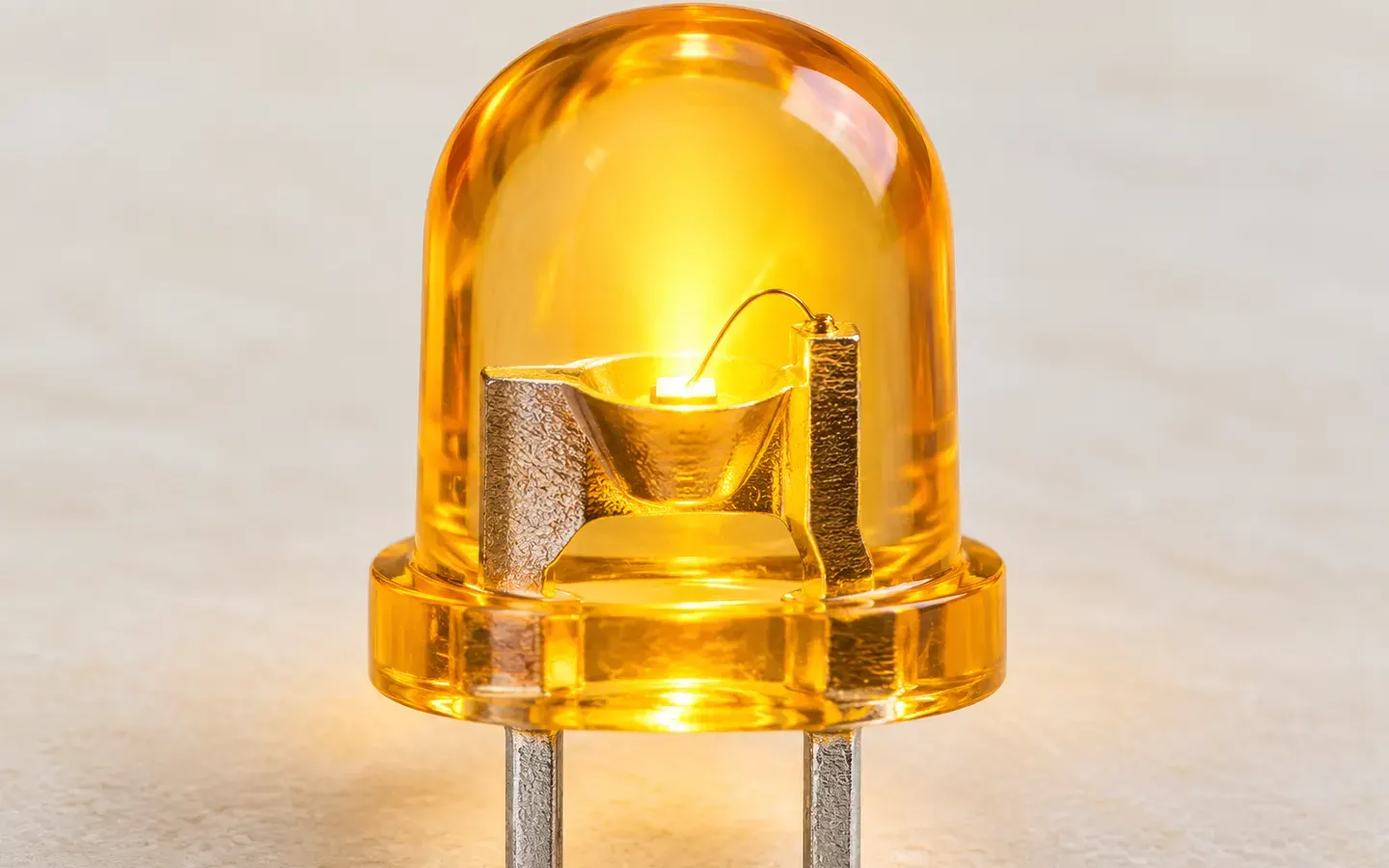
How Do LEDs Produce Light?
Trace electrical energy into LED light through electrons and holes; understand coloured light, white-light conversion and why efficiency is not perfect.
3 min read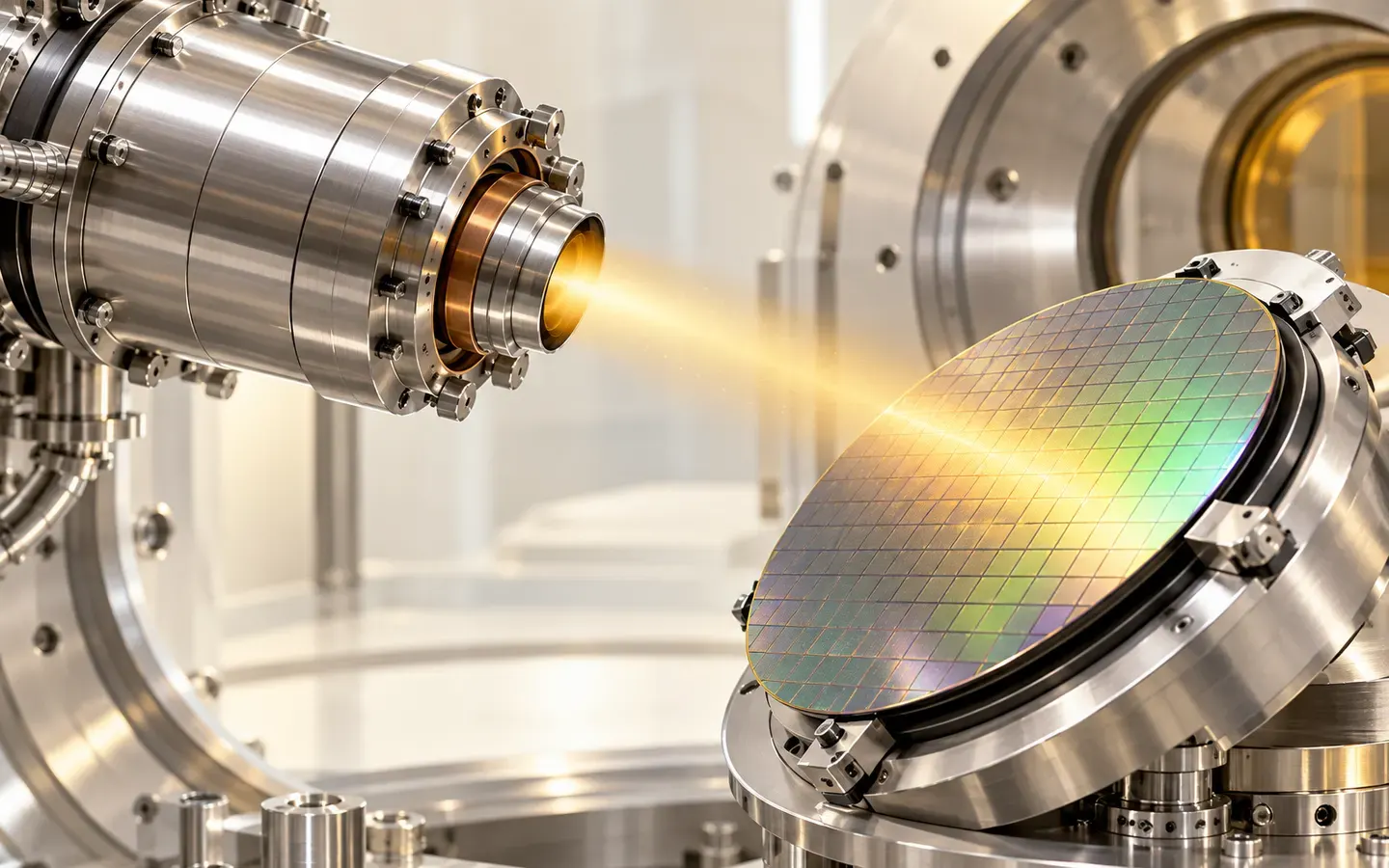 New
How Does Doping Change a Semiconductor?
Explain how intentional doping changes semiconductor carriers; compare n-type and p-type material and distinguish a hole from an empty atomic site.
3 min read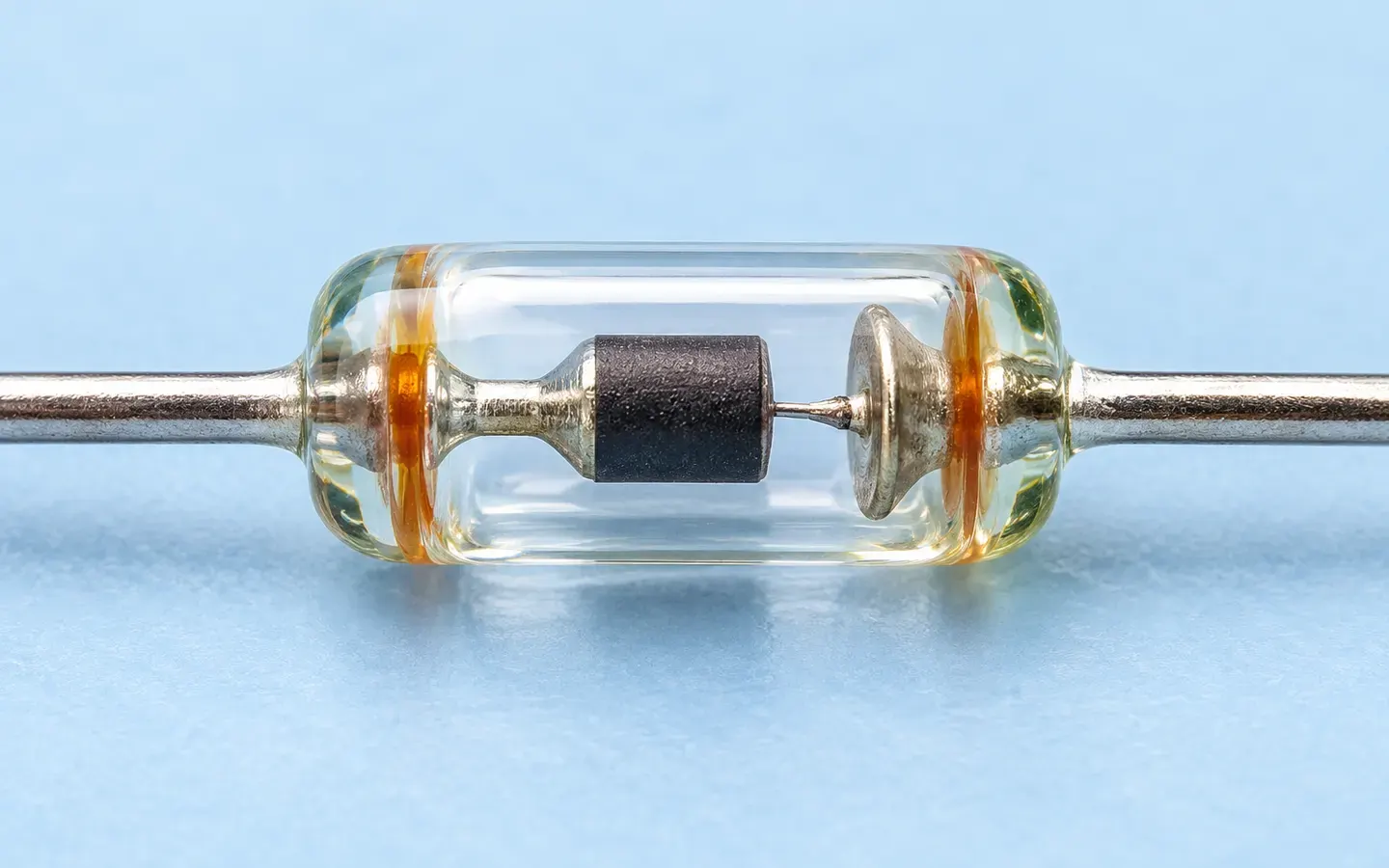 New
How Does a P-N Junction Work?
Understand diffusion, depletion and the p-n junction field; compare forward and reverse bias through carrier motion without building a circuit.
3 min read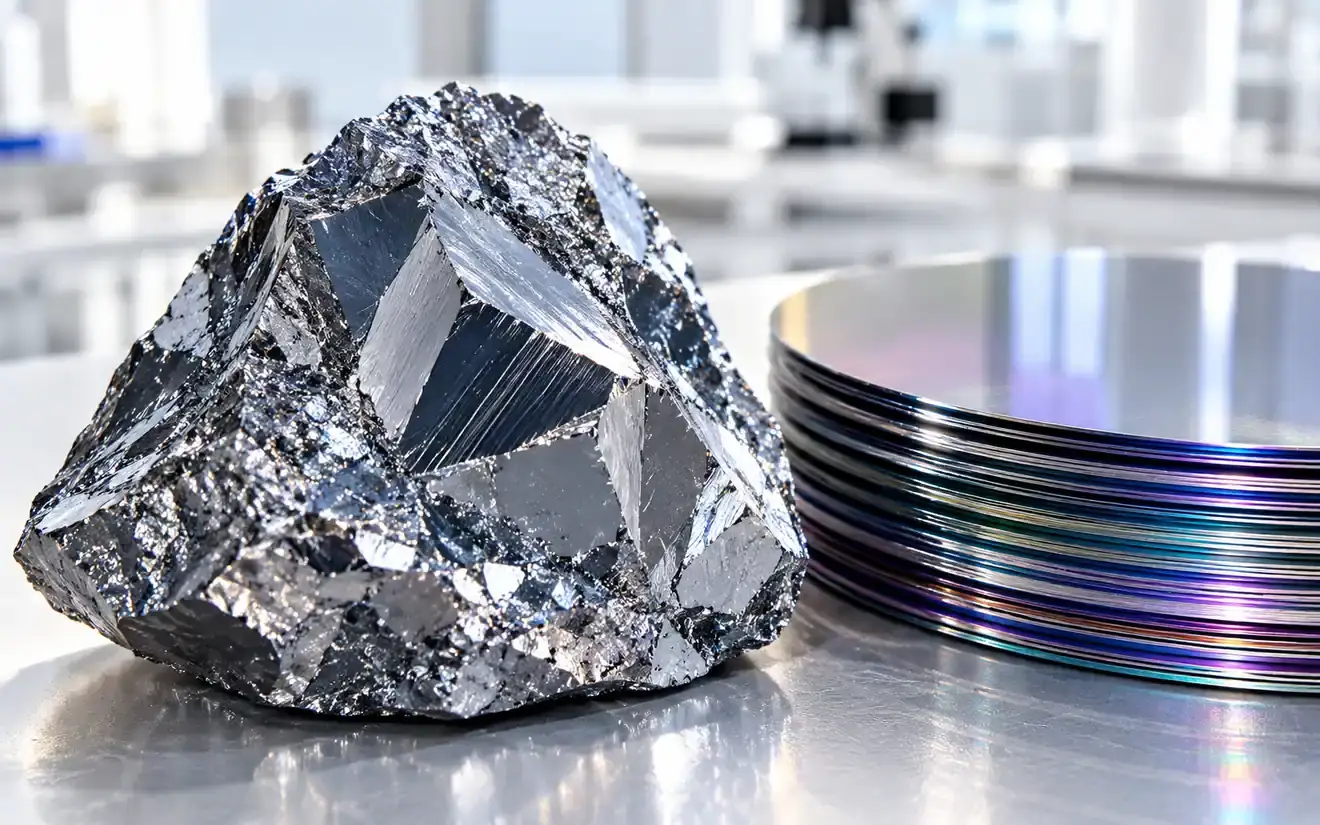 New
Why Is Silicon Used in Electronic Components?
Understand silicon’s use in electronics through its availability, adjustable electrical properties and suitability for making wafers.
5 min read


Microchips
Electronic circuits miniaturised on a piece of semiconductor, the basis of computers and digital devices.
 New
How Does a Microchip Process Instructions?
Follow an instruction through fetch, decode, operand reading, execution and writeback; distinguish a CPU model from all chips and from clock cycles.
3 min read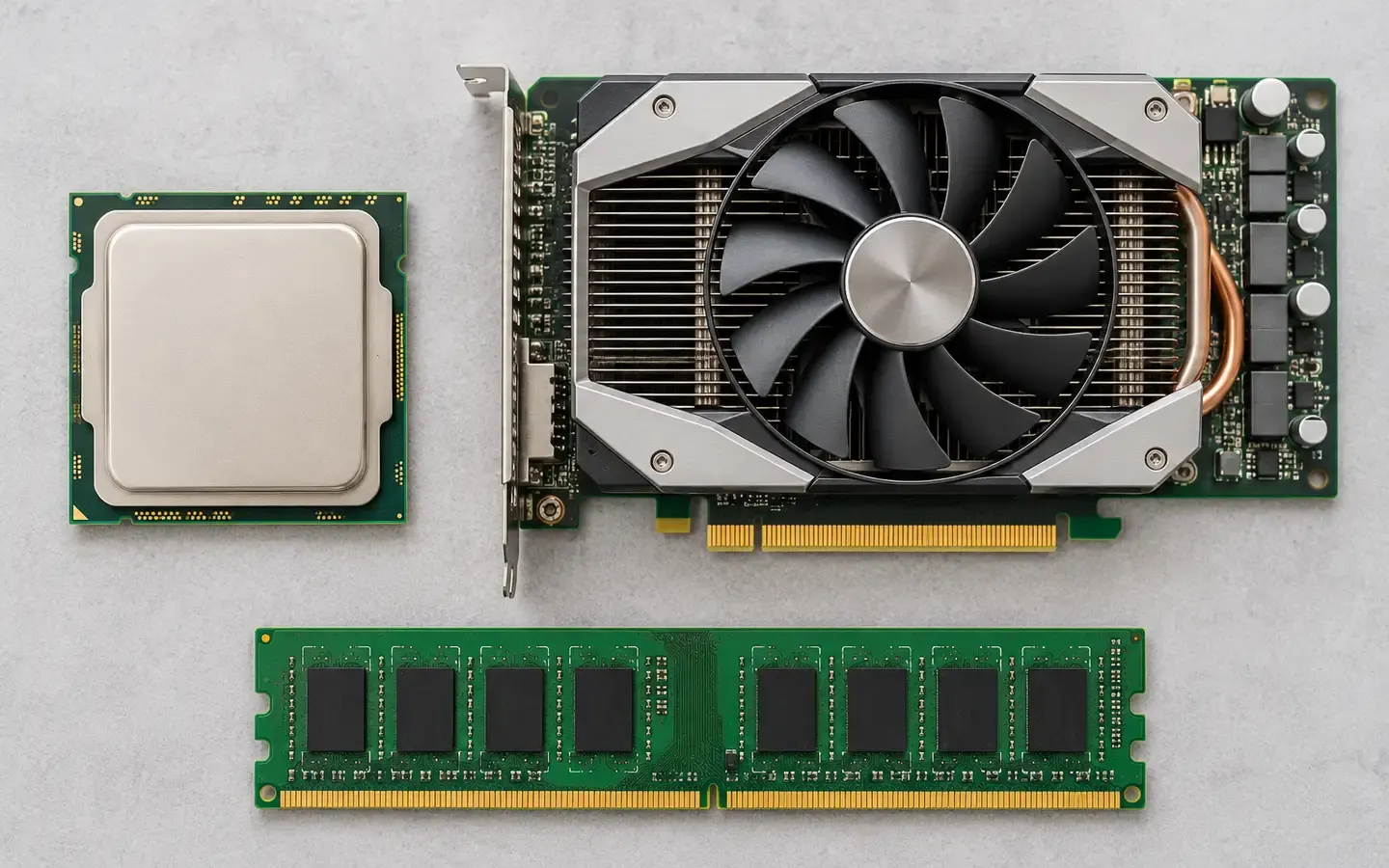 New
How Do CPU, GPU and Memory Chips Differ?
Compare CPU, GPU and memory by role, processing style and cooperation in an application, rather than treating them as interchangeable speed upgrades.
3 min read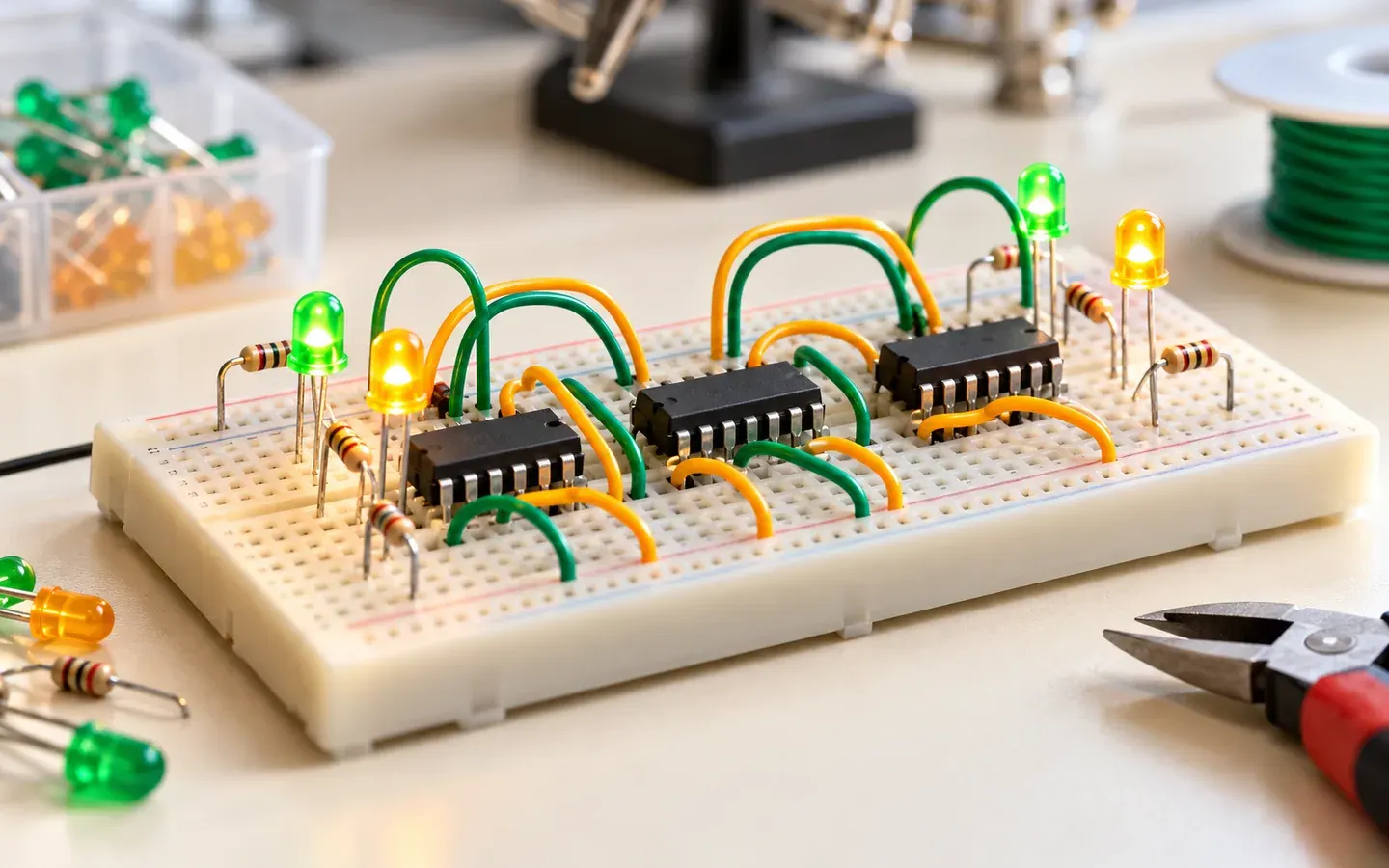 New
How Do Logic Gates Combine to Process Signals?
Follow signals through AND, OR and NOT gates using truth tables and a worked light-control example to understand combined logic.
5 min read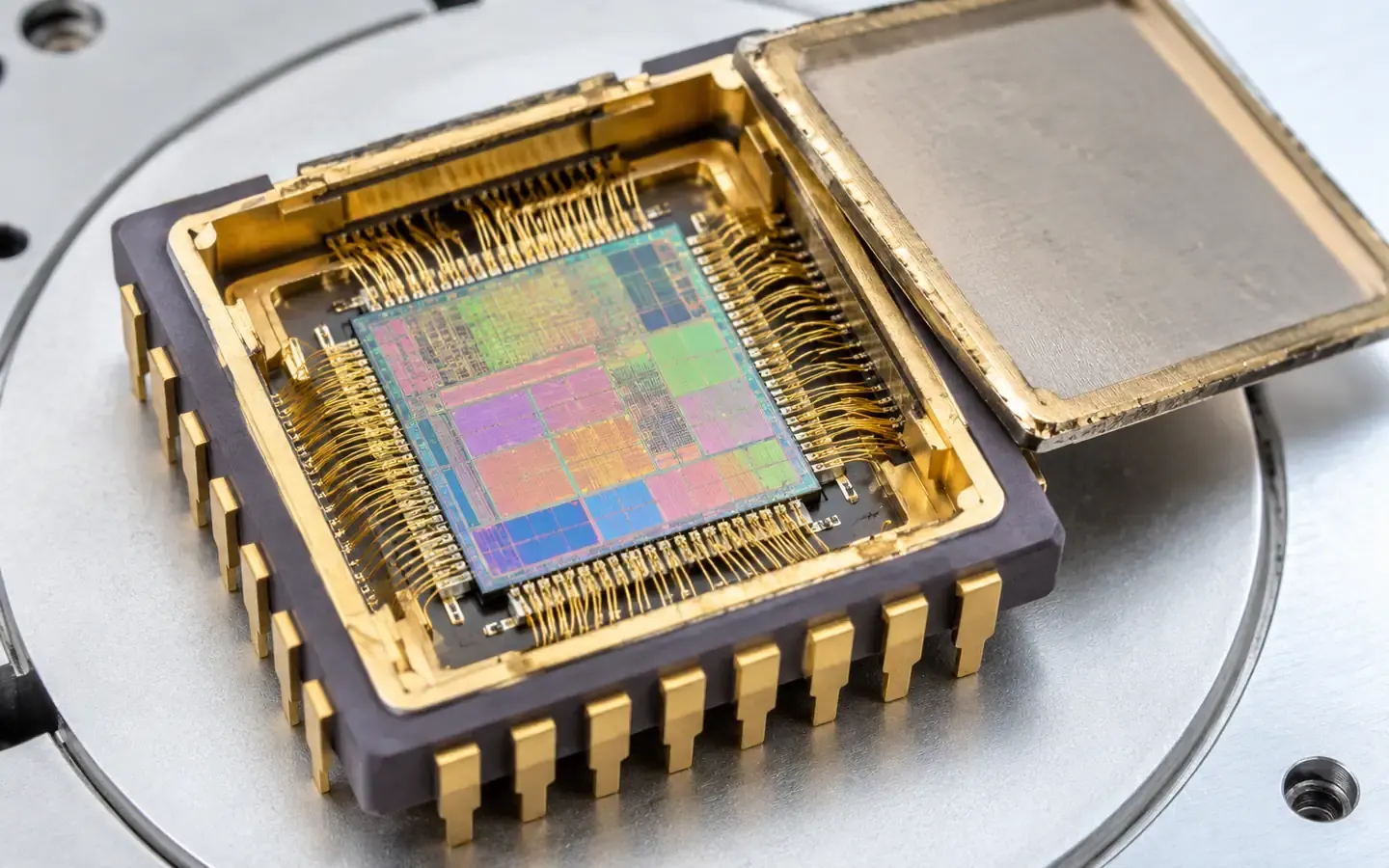 New
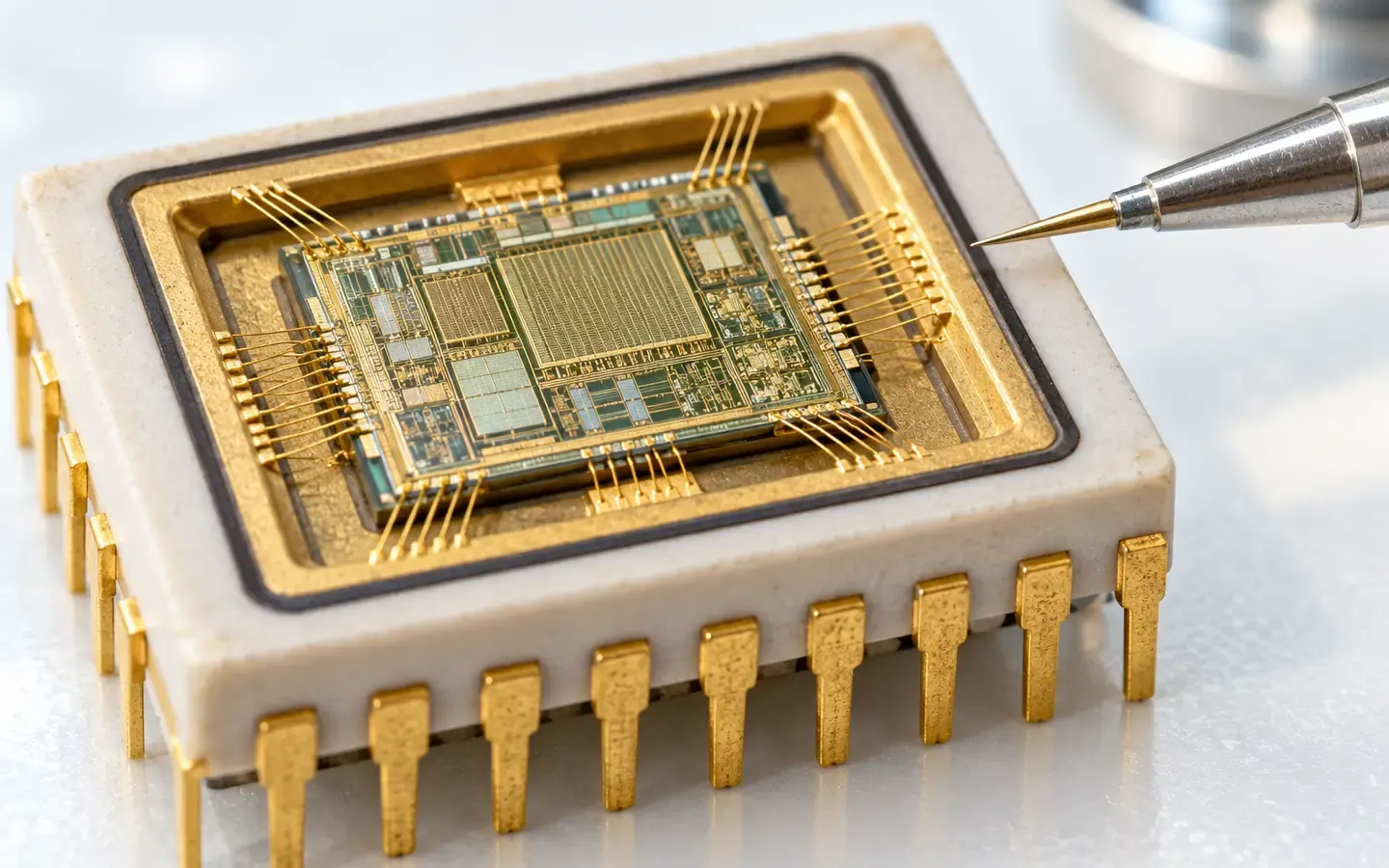
What Is Inside a Microchip?
Explore the semiconductor base, transistors and chip package, and see how these parts form a component used in electronic devices.
5 min read


Quantum technology
Technology built on effects of quantum physics, such as quantum computers and quantum sensors.
 New
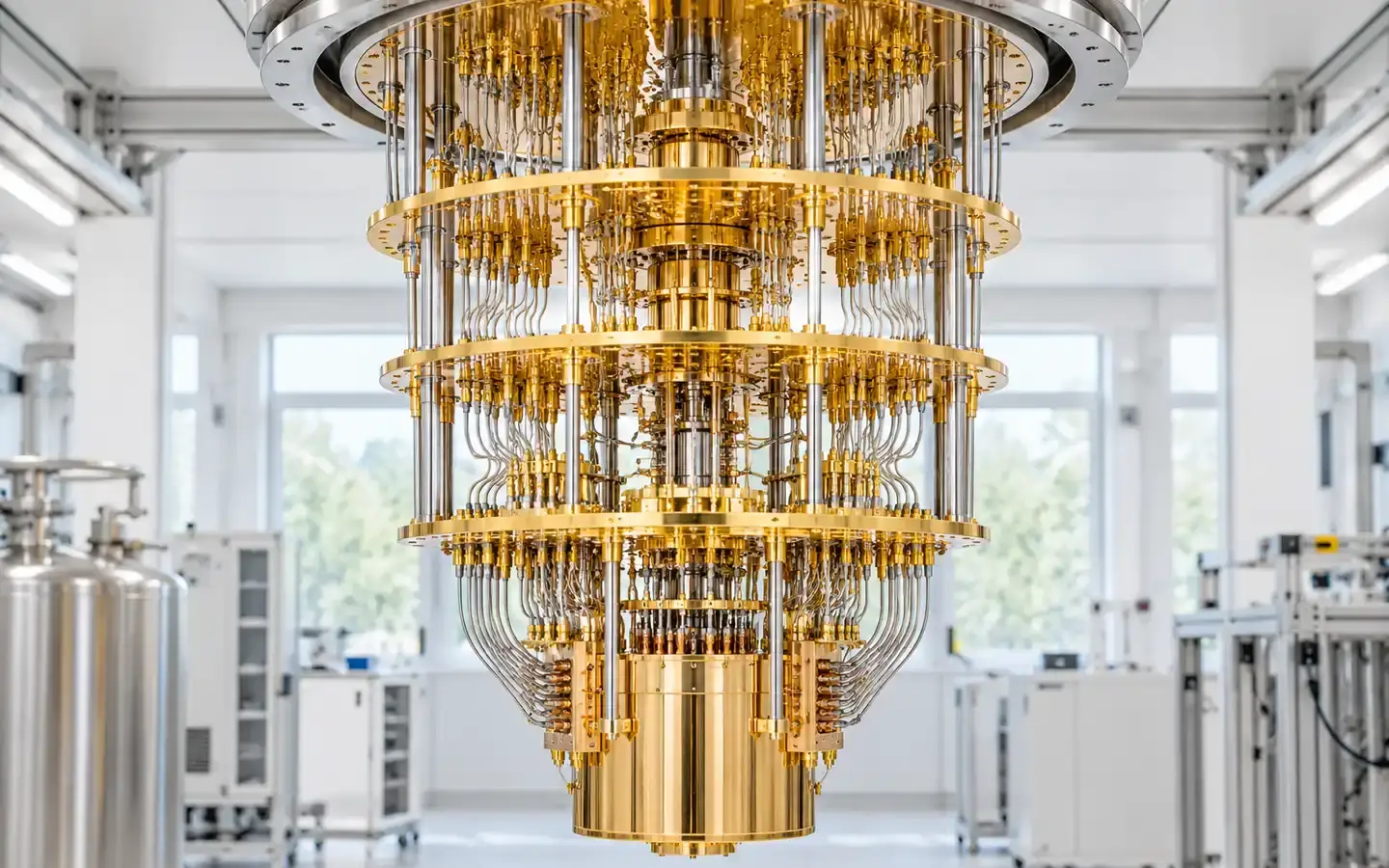
How Do Quantum Computers Process Information?
Follow information through qubit preparation, gate operations and measurement; understand superposition, entanglement, algorithms and readout limits.
3 min read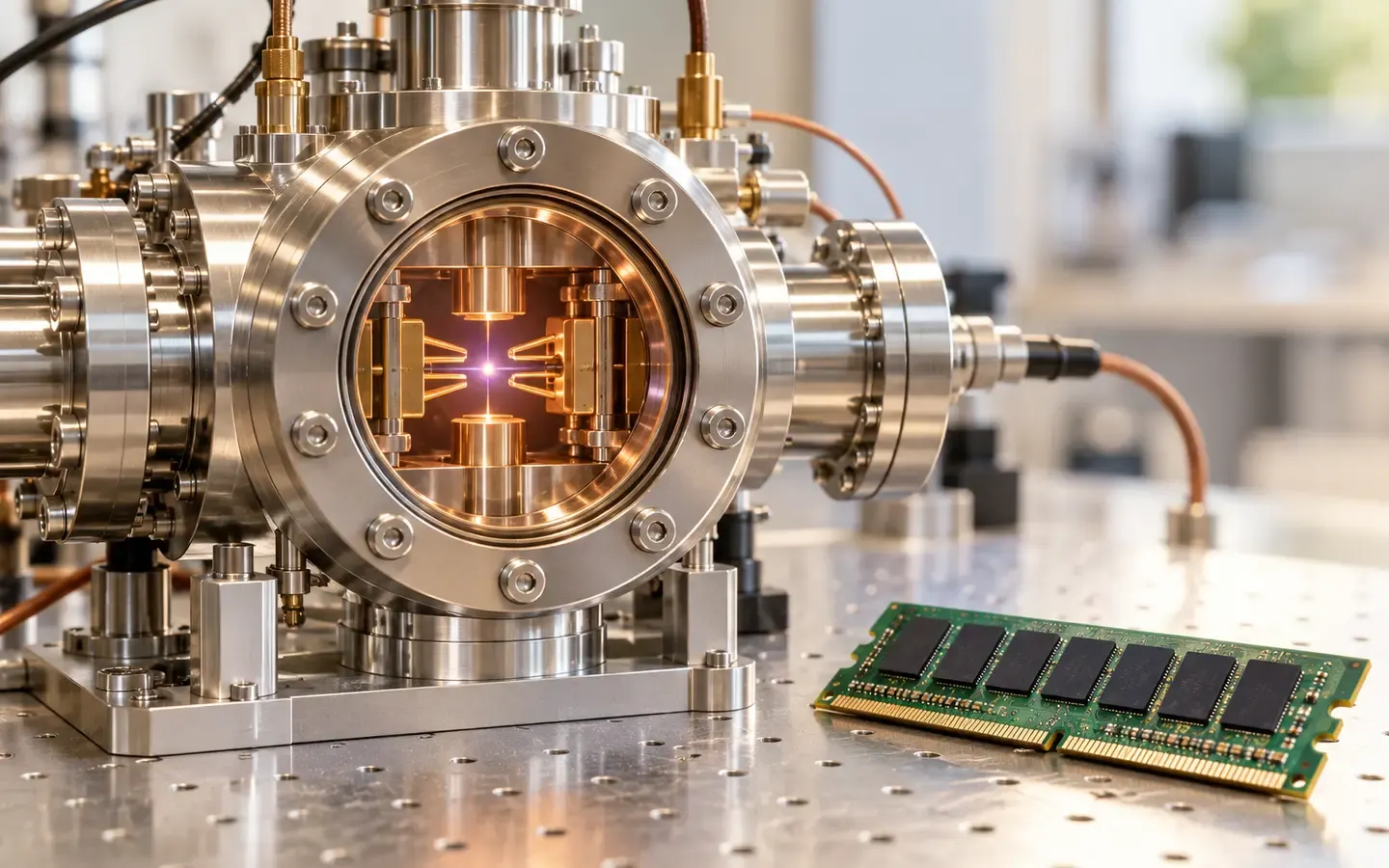 New
How Does a Qubit Differ from a Bit?
Compare bits and qubits through states, measurement and use; avoid mistaking a qubit for a memory cell whose possible answers can all be read at once.
3 min read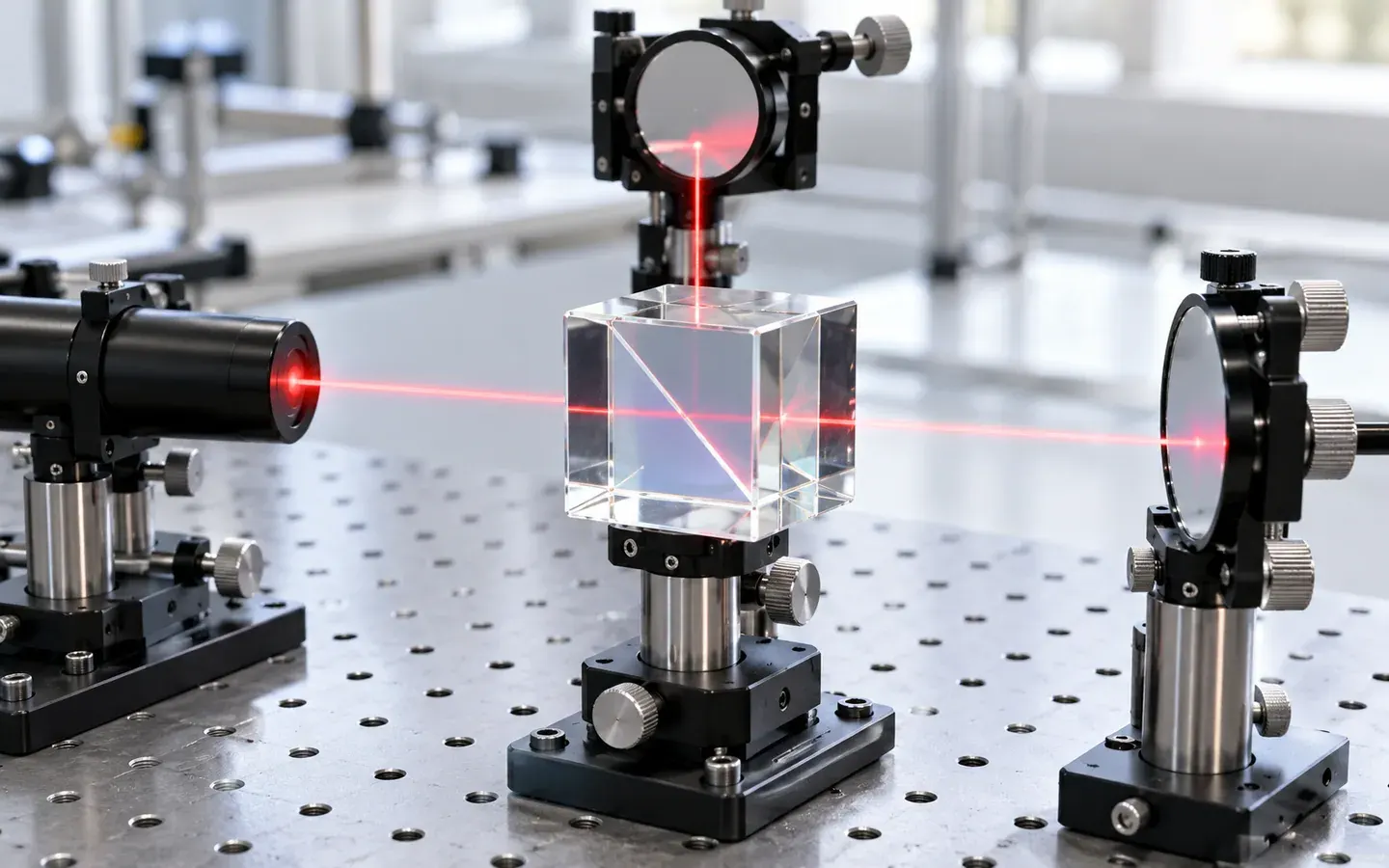 New
What Is Quantum Superposition?
Understand superposition, measurement and qubits through a thought experiment, without assuming every possible result can be read at once.
5 min read New
What Are Atoms Made Of?
Explore the nucleus, protons, neutrons and electrons, and learn to read an atom model without mistaking it for a miniature solar system.
4 min read


