

Why Do Metals Conduct Heat While Wool and Foam Insulate?
- Starter
- Article
- Ages 10+
- 4 min read

Metals conduct heat well because they hold many free electrons that roam through the metal and carry heat along. Wool and foam insulate because they trap a great many small pockets of air, and air conducts heat poorly. Heat still passes through both kinds of material; it just moves at different speeds.
Contents
- Metal bar
- Free electrons inside the metal
- Foam block
- Small air pockets in the foam
- Heat source
What you will learn
- Explain why heat passes quickly through metal.
- Say why wool and foam slow heat down.
- Pick a sensible material when you want to keep heat in, keep cold in, or move heat away.
Before you start
No prior knowledge is needed. You only need to know that heat moves from a hot place to a colder one.
How does heat move through a metal?
Heat moves fast in metal because of free electrons. According to a physics lecture from Boston University, electrons can also carry heat, which is why metals are generally very good conductors of heat. Metals have many free electrons that move around randomly, and they pass heat from one part of the metal to another.
This is called conduction. Nothing flows away; heat travels inside the material through vibrations of atoms and molecules. In a metal the free electrons do the job much faster.
- Metal bar
- Free electrons
- Hot end
- Direction heat travels
Why do wool and foam slow heat down?
Wool and foam slow heat because they trap many small pockets of air. Natural Resources Canada explains that insulation reduces heat flow through small trapped air pockets.
The reason lies in the air itself. According to Natural Resources Canada, air conducts heat poorly, so trapped air pockets act as insulating barriers that impede heat. The Woolmark Company explains that the natural crimp of wool traps still air and helps provide insulation. The Boston University lecture calls styrofoam a good insulator.
- Small air pockets
- Wool or foam block
- Reduced heat flow through insulation
Real-world example
Think of a cooking pan. The Boston University lecture says copper is a good thermal conductor, which is why some pots and pans have copper bases: heat from the stove passes quickly through the base to the food. A foam box for keeping things cold works the other way round. The air pockets in the foam make heat from outside creep in very slowly.
A wool jumper follows the same idea: its fibres hold air in the fabric, so body heat escapes more slowly.
Common misunderstandings
Insulation stops heat completely. Heat still passes through, only more slowly. Insulation reduces heat flow through the material.
Only metals conduct heat. Every solid conducts heat through vibrating atoms and molecules. Metal is faster because it also has free electrons.
Foam insulates because it is "cold" itself. Foam insulates because of the air trapped inside it, not because of its own temperature.
Frequently asked questions
What is a free electron?
It is an electron that moves around randomly inside a piece of metal. It can carry heat from one part to another.
Why do some pans have copper bases?
Copper is a good thermal conductor, so heat passes quickly through the base to the food.
What does a good insulator do?
It lets heat pass through very slowly, thanks to the small air pockets trapped inside.
Summary
- Metals conduct heat quickly because free electrons carry it along.
- Wool and foam trap many small air pockets, so heat passes slowly.
- Insulation slows heat down; it does not stop it.
Terms in this article
English and Vietnamese terms, with the meanings used here. Hover, tap or Tab to a term with a dotted underline for an explanation as you read.
- free electronelectron tự do
- A charged particle that moves around inside a metal and can carry heat from one place to another.
- conductiondẫn nhiệt
- Heat transfer inside a substance without the substance flowing.
- thermal conductorchất dẫn nhiệt
- A material that lets heat pass through quickly.
- insulatorchất cách nhiệt
- A material that lets heat pass through very slowly.
- air pockettúi khí
- A small space of air held inside a material.
This article is not marked as viewed
Spotted something wrong or unsafe?
Tell the administrator by email. The message already has the article title and address.
More in this topic
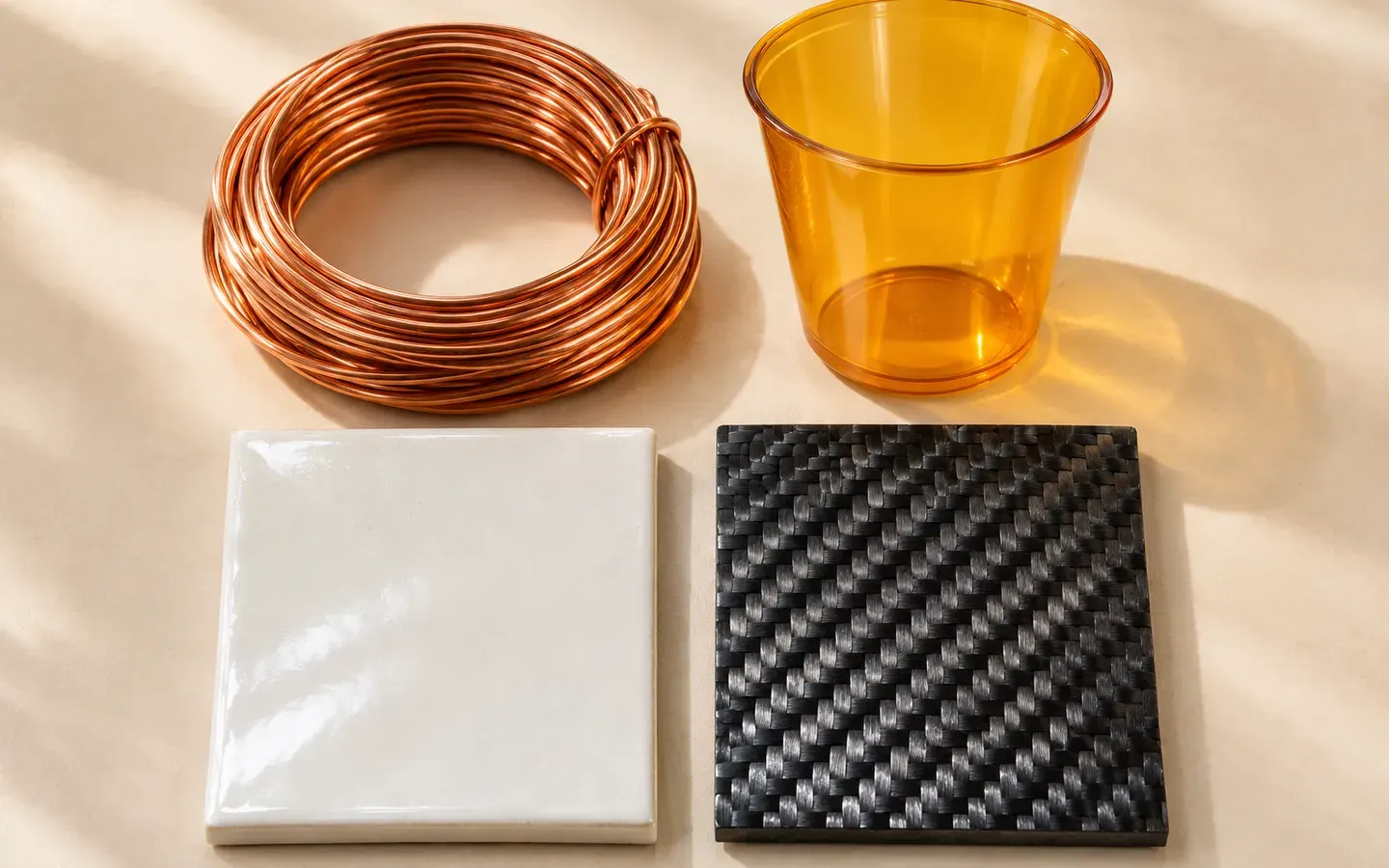 Starter
Which Families Do Engineering Materials Belong To?
Meet the four engineering material families, metals, polymers, ceramics and composites, their typical properties and how to spot them in everyday objects.
5 min read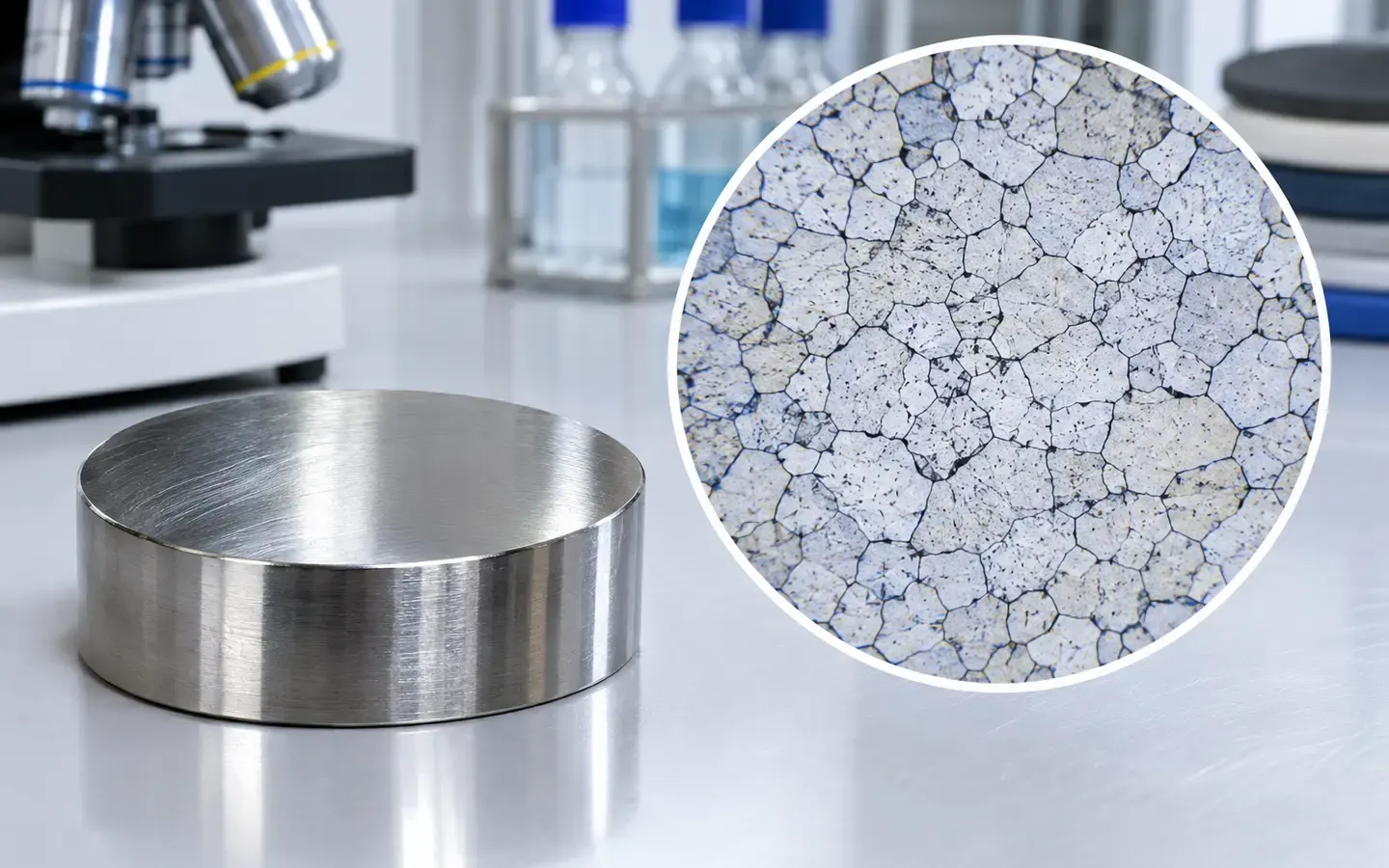 Starter
How Does Internal Structure Determine Material Properties?
See how internal structure, from atoms to grains and fibres, shapes hardness and ductility, through dislocations, wood grain and steel cooled fast or slow.
4 min read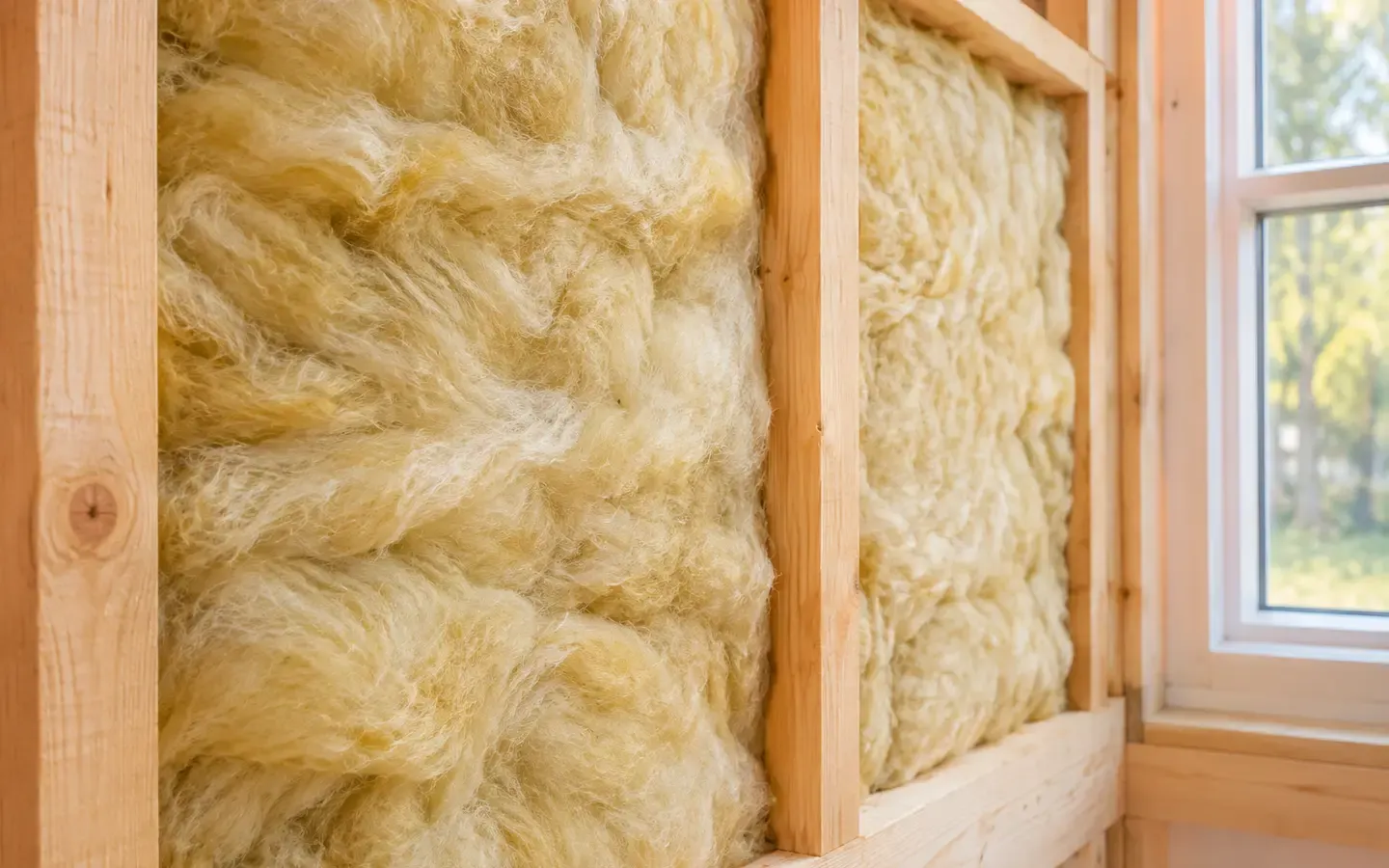 Starter
Why Can the Right Material Reduce Energy Use?
See why lightweight materials help vehicles save fuel, why insulation cuts heat loss, and what can shrink those benefits in real use.
4 min read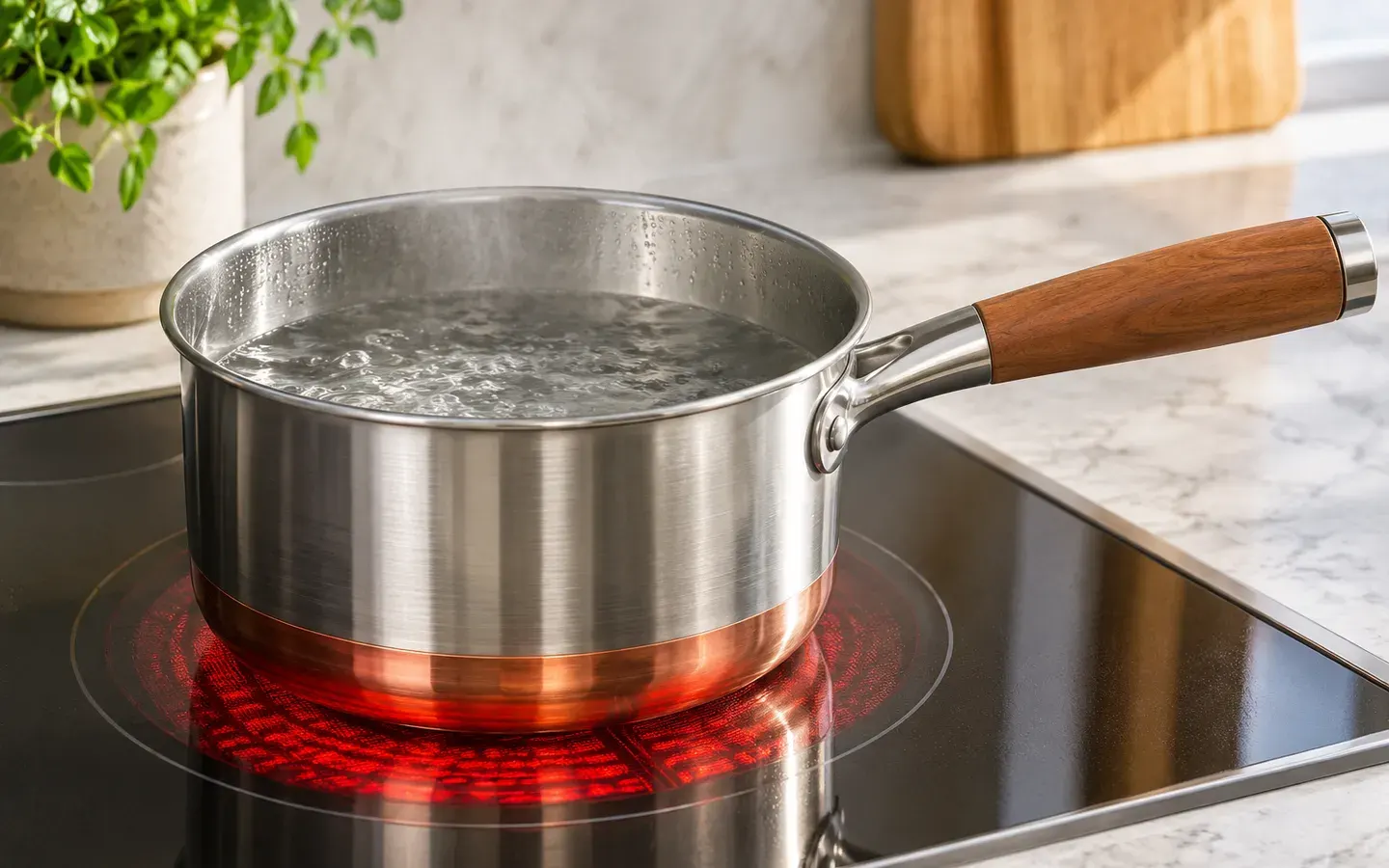 Starter
How Does Heat Travel Through Materials?
Learn how conduction, convection and radiation differ, why metal conducts heat while foam insulates, and what an R-value says about slowing heat flow.
4 min read


Sources
These sources are written for older readers. If they feel hard, read them with an adult.
- Heat transfer, and the first law of thermodynamics(opens in a new tab)
Boston University, Department of PhysicsTier A: government, standards or research bodiesRead on November 5, 2026
- Keeping heat: How your house works(opens in a new tab)
Natural Resources CanadaTier C: other sourcesRead on November 5, 2026
- Return to Real: Natural thermoregulation(opens in a new tab)
The Woolmark CompanyTier C: other sourcesRead on November 5, 2026