

How Do Quantum Computers Process Information?
- Intermediate
- Article
- Ages 12+
- 3 min read

A gate-based quantum computer processes information by controlling qubit states, allowing interactions and measuring a result. It still has input, processing, memory and output; what differs is the rules governing state transformations.
Contents
What you will learn
- Trace information from input to measurement.
- Explain why superposition alone does not provide an answer.
- Recognize the roles of disturbance control and algorithm design.
Before you start
Read the linked prerequisite first. This article explains principles and does not require assembling or opening equipment.
Prepare the state to process
Qubits carry quantum information and can occupy superpositions. Multiple qubits can also be entangled, sharing a joint state description. Preparation and planned operations must fit the problem.
An input is not merely a typed question that turns all possibilities into an answer. The problem needs a qubit representation and a controlled sequence of operations.
- Individual operation
- Shared operation
- Final measurement
Operate on qubits before reading the result
In this kind of computer, a sequence of gate operations controls the state. Depending on the hardware, electromagnetic signals or lasers create interactions and operations. This is processing; final measurement extracts information.
An algorithm chooses operations and measurement so the extracted information is useful. It does not simply read every result represented in a superposition.
Limits arise from readout and disturbances
Final measurement extracts limited information. Saying “try every answer and read the right one” skips the hard part: designing the computation and readout.
Disturbances can damage states and corrupt qubit information. Distinguish an ideal algorithm from imperfect hardware. This article concerns gate-based machines rather than assuming every quantum computing approach shares one hardware process.
A worked example
Sketch a hypothetical small computation: input data → preparation → operation sequence → measurement → usable result. At each arrow, ask whether the information is a quantum state or a readout. If the explanation jumps from “superposition” to “every answer”, restore the algorithm’s role and measurement limits.
Frequently asked questions
Does superposition solve a problem by itself?
No. An appropriate operation sequence and readout are needed.
Does this describe every quantum computer?
No. Its scope is gate-based computation, distinct from approaches such as quantum annealing.
Summary
- Qubits are prepared and manipulated before measurement.
- Algorithms make extracted information useful.
- Disturbances and measurement constrain readout.
Terms in this article
English and Vietnamese terms, with the meanings used here. Hover, tap or Tab to a term with a dotted underline for an explanation as you read.
- entangledvướng víu
- Quantum objects sharing a joint state description.
This article is not marked as viewed
Spotted something wrong or unsafe?
Tell the administrator by email. The message already has the article title and address.
More in this topic
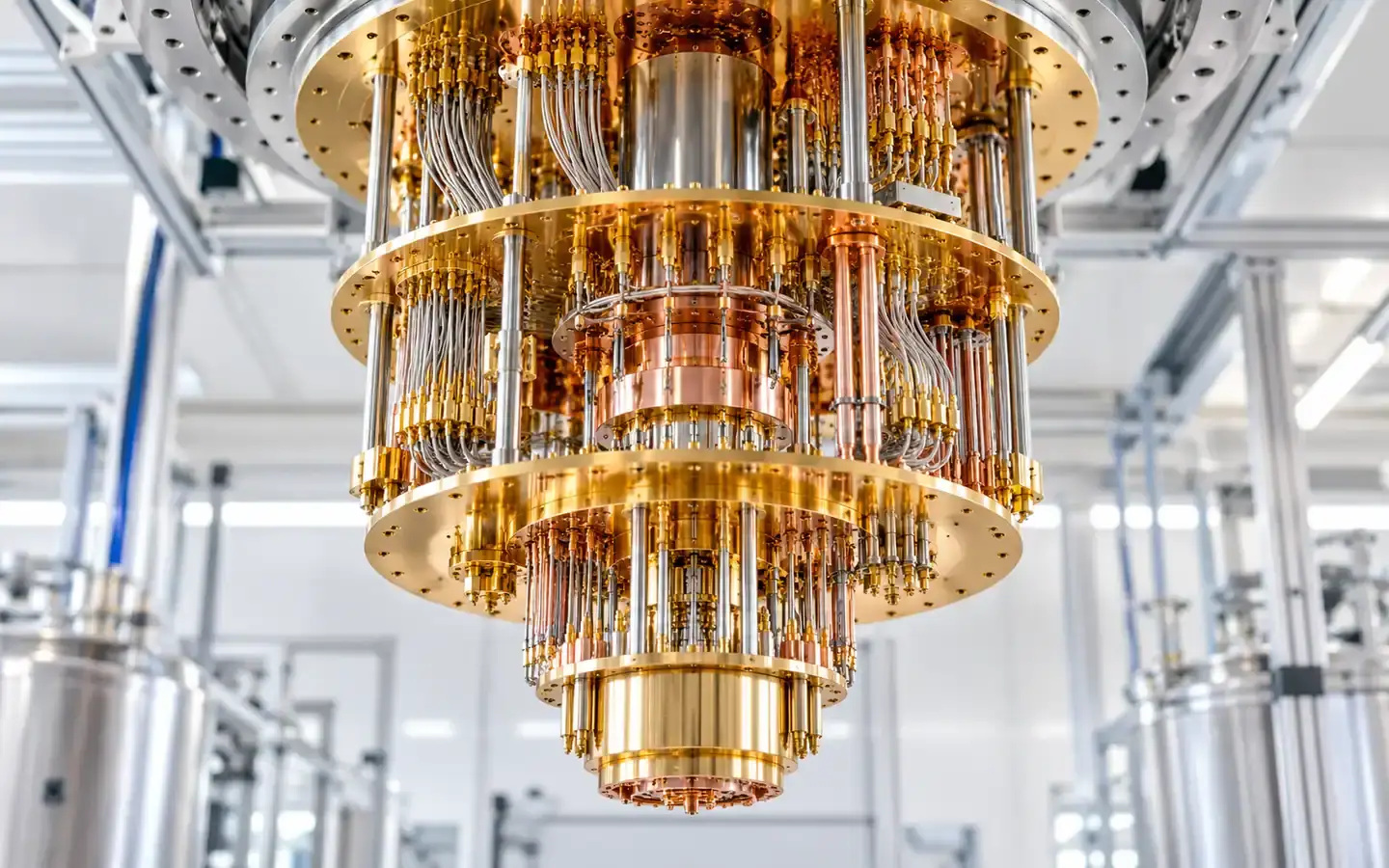 Starter
What Is Quantum Technology?
Explore technologies using quantum effects in computing and sensing, distinguishing the underlying principles, potential uses and limitations.
6 min read Starter
What Are Atoms Made Of?
Explore the nucleus, protons, neutrons and electrons, and learn to read an atom model without mistaking it for a miniature solar system.
4 min read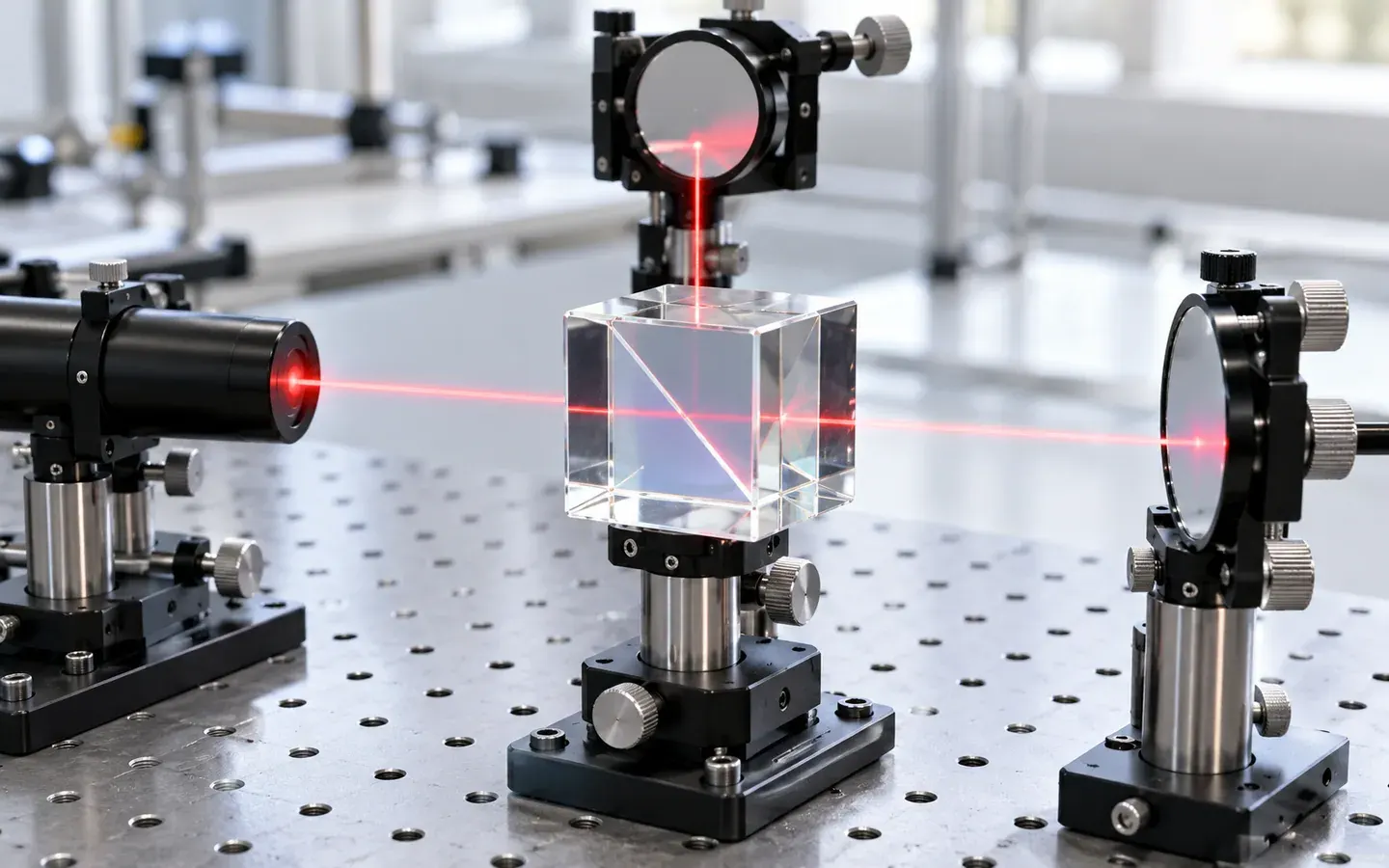 Basic
What Is Quantum Superposition?
Understand superposition, measurement and qubits through a thought experiment, without assuming every possible result can be read at once.
5 min read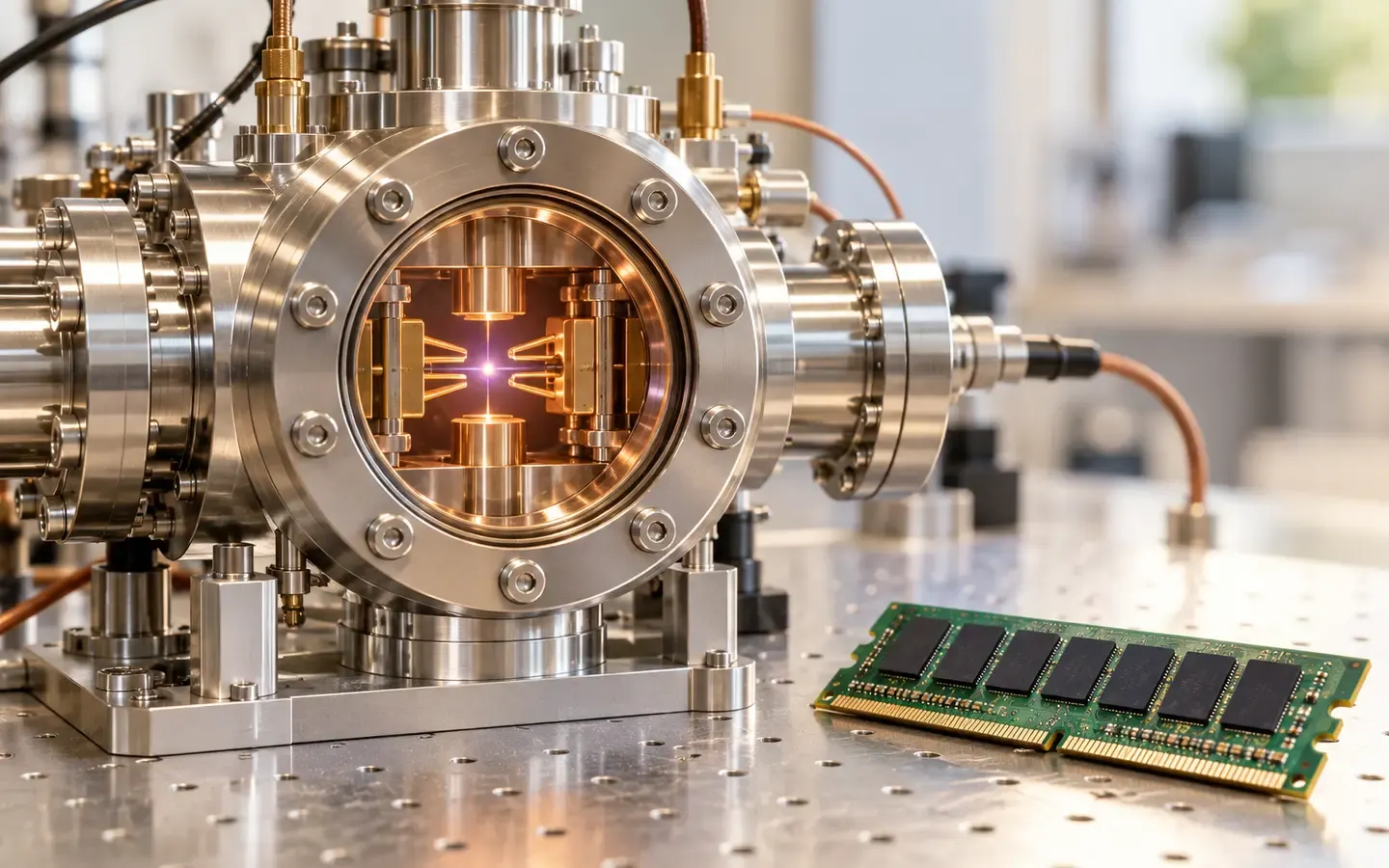 Basic
How Does a Qubit Differ from a Bit?
Compare bits and qubits through states, measurement and use; avoid mistaking a qubit for a memory cell whose possible answers can all be read at once.
3 min read


Sources
These sources are written for older readers. If they feel hard, read them with an adult.
- Quantum Computing Explained(opens in a new tab)
NISTTier A: government, standards or research bodiesRead on October 31, 2026