

What Is Quantum Technology?
- Starter
- Article
- Ages 10+
- 6 min read

Quantum technology uses effects of quantum physics, above all superposition and entanglement, to process information, make measurements or keep time. These effects show up clearly only at the scale of atoms and must be controlled with care. Quantum computers are the best-known example, but they are one application among several.
Contents
What you will learn
- Name the two quantum effects this technology uses.
- List the application areas and tell their tasks apart.
- Explain why control and limits matter.
Before you start
No specialist background is needed; technical terms are explained as they appear.
Which quantum effects does the technology use?
Quantum physics describes the universe at its smallest scales: atoms, molecules, light and energy. At these scales, things behave very differently from everyday objects.
The first effect is superposition. An atom can act as though it has two or more distinct amounts of energy at once. For a person this makes no sense: nobody stands on the lowest and highest rungs of a ladder at the same time.
The second effect is entanglement. Several atoms or other quantum objects can be entangled with each other and share a single quantum state.
If these two effects are properly controlled and harnessed, they can provide potential advantages for information processing, sensing and spectroscopy. The systems studied are typically based on trapped atoms or molecules and on photons.
What application areas exist?
There are several. Information processing is the area of quantum computers. Sensing and spectroscopy are measurement areas. Quantum clocks and quantum networking are also research areas at NIST.
Each area gives the same kind of effect a different job. A computer processes and stores information. A clock keeps time. A sensor measures. So the question “what is quantum technology for?” has no single answer.
Quantum computers have input, output, information processing and memory, as ordinary computers do. The difference is that they use qubits in place of classical bits. A qubit can be in one state, another state, or a mix of the two.
Quantum computers are hoped to simulate the behaviour of individual molecules precisely to design drugs, to optimise supply chains, or to upend today’s encryption. These remain potential. Quantum computers will also not replace every classical computer: the two types can work together.
Why do control and limitations matter?
Quantum states are fragile. Disturbances such as temperature fluctuations or electric fields can disrupt the states of qubits. That is why many quantum systems must be kept under tightly controlled conditions.
Today’s quantum computers are rudimentary and error-prone. A further limit lies in reading out results. When you measure, you can extract only a small amount of information from a computation in superposition. The measurement therefore has to be designed to extract useful information.
These two points show that quantum technology is not magic. It is strong on certain problems, and it depends on protecting the quantum state.
Real-world example
Picture three instruments on a lab bench: a computing chip, a clock and a sensor. All belong to “quantum technology”, but each does a different job: computing, timekeeping, measuring.
Ask three questions of each instrument. Which quantum effect does it use, what is its output, and what could spoil its quantum state? If you can answer all three, you understand how one specific quantum application works, rather than knowing only the umbrella name.
Common misunderstandings
Quantum technology is more than quantum computers. Sensors, clocks and networks are also research areas.
Quantum computers will not replace every classical computer. The two types can work together on problems that stump ordinary computers.
Superposition does not mean you can read every answer at once. Measurement extracts only a small amount of information.
Frequently asked questions
How do superposition and entanglement differ?
Superposition describes one system in several states at once. Entanglement describes several objects sharing a single quantum state.
How does a qubit differ from a bit?
A classical bit is in one of two states. A qubit can be in one state, the other, or a mix of the two.
Is quantum technology widely used yet?
Today’s quantum computers are rudimentary and error-prone. Most advantages are still potential.
Summary
- Quantum technology uses superposition and entanglement for information processing, sensing, clocks and networks.
- The application areas have different jobs.
- Quantum states are easily disturbed, so control and limits are central.
Terms in this article
English and Vietnamese terms, with the meanings used here. Hover, tap or Tab to a term with a dotted underline for an explanation as you read.
- superpositionchồng chập
- A quantum state combining several states, such as several energy levels at once.
- qubitsqubit
- Quantum information units used by quantum computers.
- entanglementvướng víu
- A phenomenon in which several quantum objects share a single quantum state.
This article is not marked as viewed
Spotted something wrong or unsafe?
Tell the administrator by email. The message already has the article title and address.
More in this topic
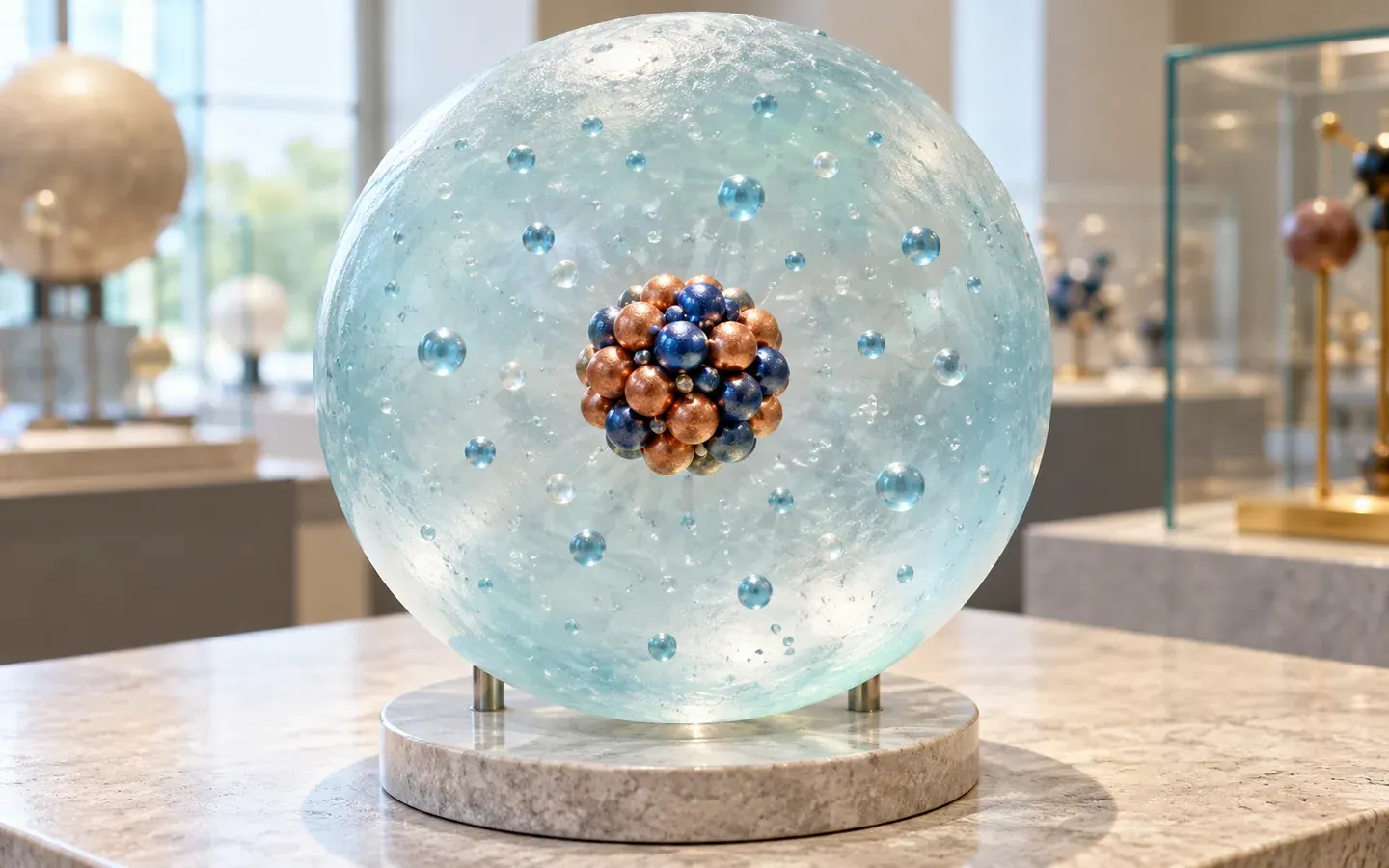 Starter
What Are Atoms Made Of?
Explore the nucleus, protons, neutrons and electrons, and learn to read an atom model without mistaking it for a miniature solar system.
4 min read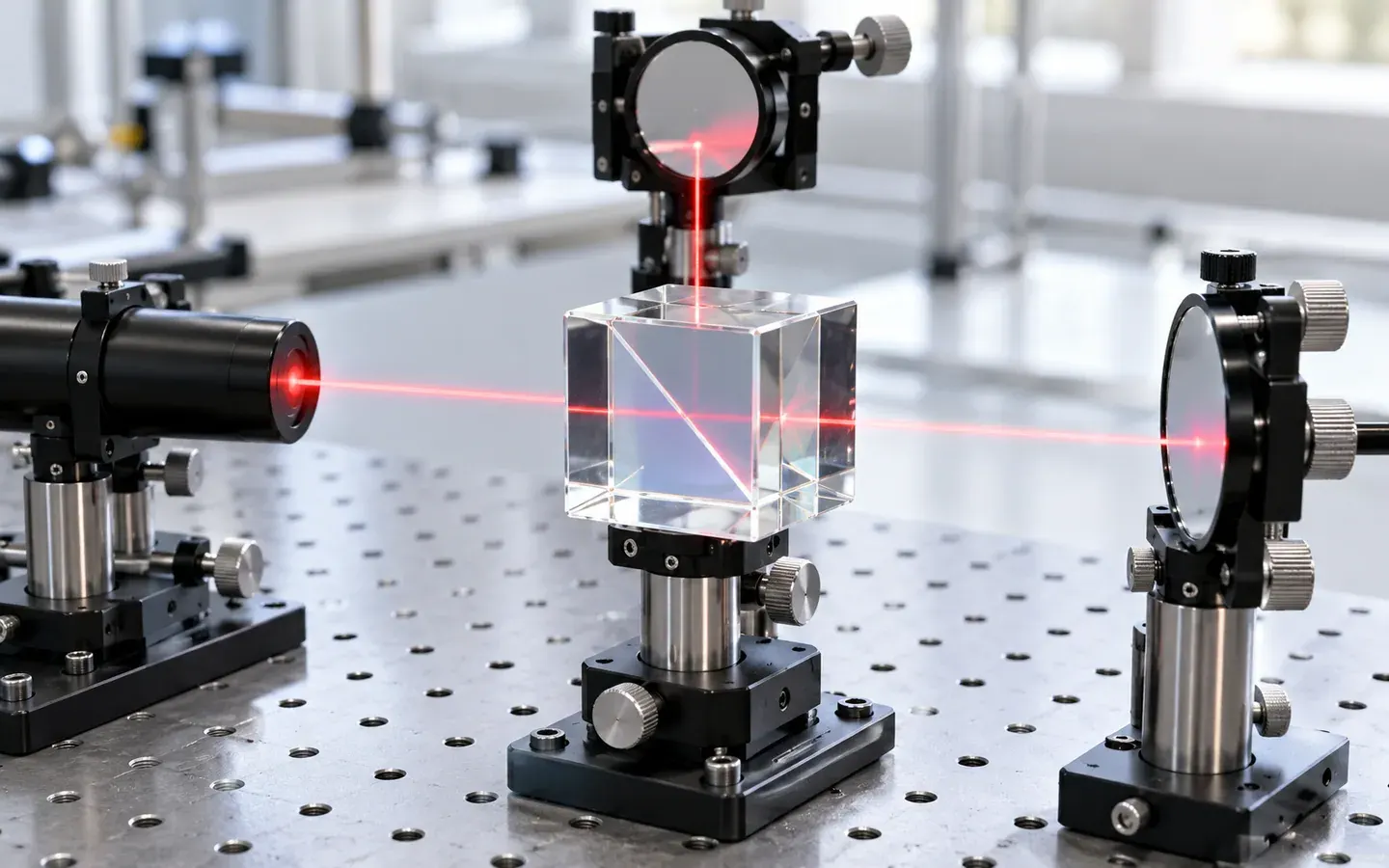 Basic
What Is Quantum Superposition?
Understand superposition, measurement and qubits through a thought experiment, without assuming every possible result can be read at once.
5 min read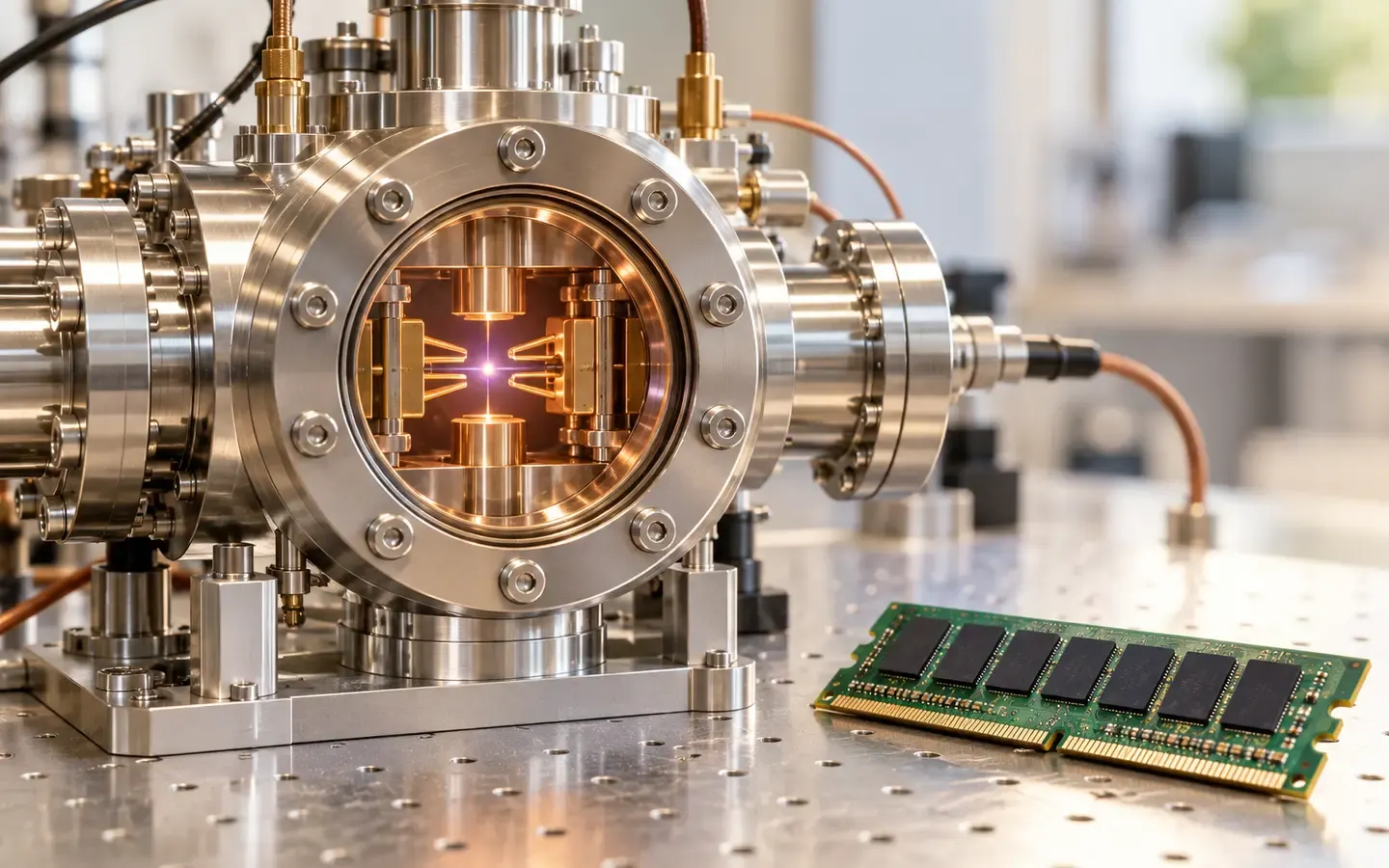 Basic
How Does a Qubit Differ from a Bit?
Compare bits and qubits through states, measurement and use; avoid mistaking a qubit for a memory cell whose possible answers can all be read at once.
3 min read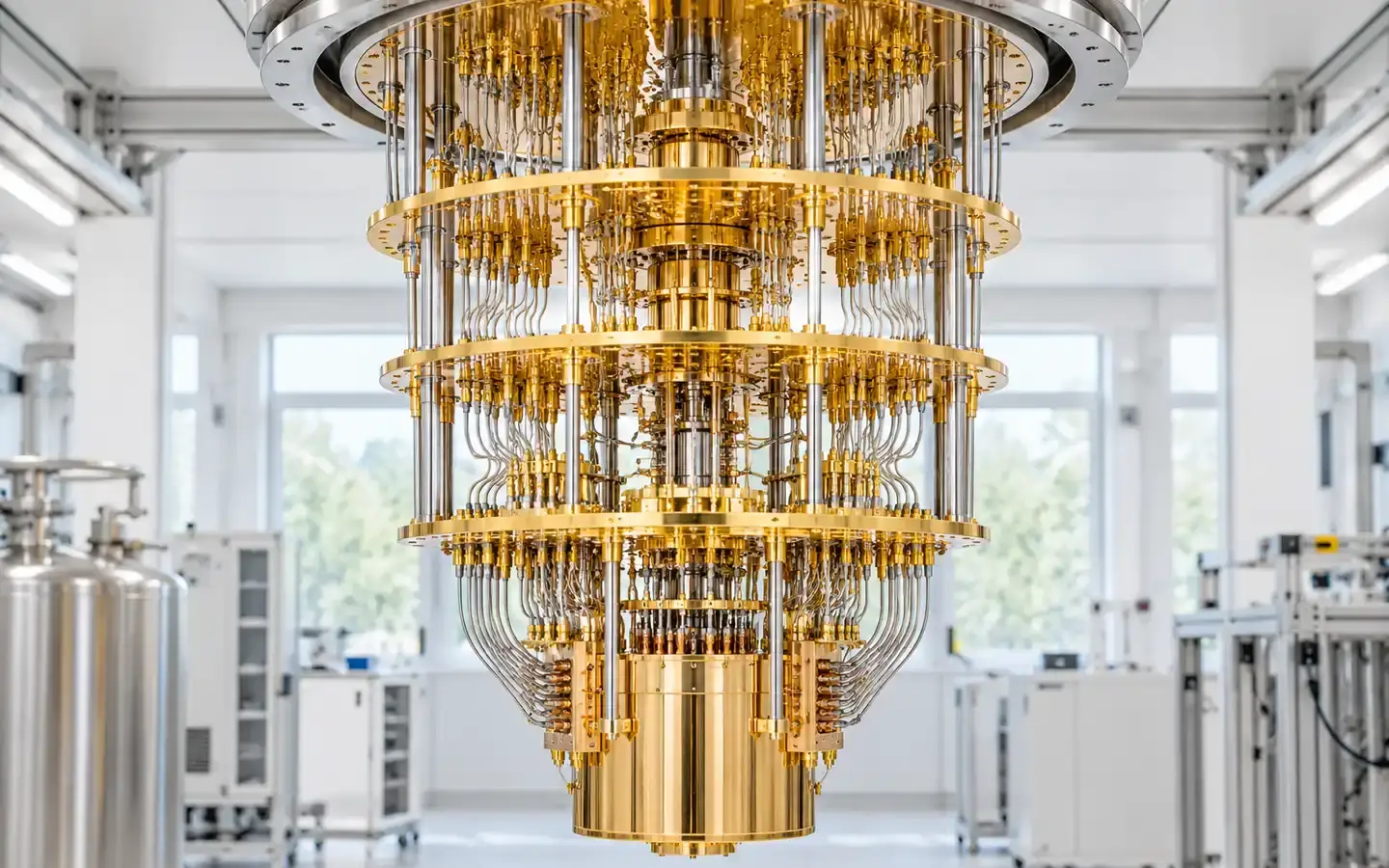 Intermediate
How Do Quantum Computers Process Information?
Follow information through qubit preparation, gate operations and measurement; understand superposition, entanglement, algorithms and readout limits.
3 min read


Sources
These sources are written for older readers. If they feel hard, read them with an adult.
- Quantum Information, Sensing, and Networking(opens in a new tab)
NISTTier A: government, standards or research bodiesRead on October 31, 2026
- Quantum Computing Explained(opens in a new tab)
NISTTier A: government, standards or research bodiesRead on October 31, 2026