

How Do Solar and Wind Power Generate Electricity?
- Starter
- Article
- Ages 10+
- 5 min read

Solar and wind power reach electricity by two different routes. A photovoltaic cell absorbs sunlight, and that energy sets electric charges moving as a current. A wind turbine uses wind to turn a rotor, the rotor spins a generator, and the generator produces electricity.
Contents
What you will learn
- Retell, step by step, how light becomes electricity in a photovoltaic cell.
- Retell, step by step, how wind becomes electricity in a turbine.
- Compare the two routes on one shared criterion.
Before you start
No specialist background is needed; technical terms are explained as they appear.
How does light produce electricity in a cell?
The sun emits heat and light in the form of solar radiation. Solar technologies capture this radiation and turn it into useful forms of energy. The most familiar technology is photovoltaics (PV), used in solar panels.
When sunlight shines on a panel, the PV cells absorb energy from the light. This energy creates electrical charges. The charges move in response to an electrical field inside the cell, and that movement makes electricity flow.
The order can be told simply. Light arrives, the cell absorbs its energy, charges move in the cell’s electrical field, and a current appears. Without light there is no energy to absorb at the start of the chain.
How does wind drive the generator?
Wind turbines work on a simple principle. A fan uses electricity to make wind. A wind turbine does the reverse: it uses wind to make electricity. Wind turns the propeller-like blades around a rotor, the rotor spins a generator, and the generator creates electricity.
The blades work like an airplane wing. When wind flows across a blade, the air pressure on one side decreases. The difference in air pressure across the two sides creates both lift and drag. The lift is stronger than the drag, so the rotor spins.
The rotor connects to the generator, either directly in a direct-drive turbine or through a shaft and a series of gears. A gearbox speeds up the rotation and allows a physically smaller generator. This translation of aerodynamic force into rotation of a generator creates electricity.
Where do the two conversion routes differ?
The routes differ in what is captured, in the converting part and in the intermediate step. The table compares them on the same criteria.
| Criterion | Photovoltaic | Wind |
|---|---|---|
| What is captured | Energy of sunlight | Motion of the wind |
| Converting part | Photovoltaic cell | Blades, rotor and generator |
| Intermediate step | Charges moving in an electrical field | Aerodynamic force turning the rotor |
| How electricity appears | Current flows in the cell | A spinning generator produces electricity |
There is a third kind, concentrating solar-thermal power. Mirrors reflect and concentrate sunlight onto receivers, which convert it to heat. The heat is used to produce electricity or stored for later use. It is used primarily in very large power plants.
So “solar energy” does not mean one single technology. Looking at the panel or at the spinning blades is not enough. You need to know which part turns energy into electricity.
Real-world example
Compare a rooftop panel with a turbine in a field. In the panel, no moving part is visible. The conversion happens inside the cells as light arrives.
In the turbine, you see the blades spin. But spinning blades are not yet electricity. Electricity appears only when the rotor makes the generator spin. Asking “through which part does the energy become electricity?” explains both cases.
Common misunderstandings
Not every solar technology is photovoltaic. Concentrating solar-thermal systems use mirrors and turn sunlight into heat first.
A wind turbine does not use electricity to make wind, as a fan does. It uses wind to make electricity.
Spinning blades do not explain the whole process. You also need the rotor, the generator and the step that turns motion into electricity.
Frequently asked questions
Is every solar technology photovoltaic?
No. Concentrating solar-thermal systems use mirrors to concentrate sunlight into heat, which is then used to produce electricity or stored.
Does a turbine always need a gearbox?
No. The rotor can connect directly to the generator, or through a shaft and gearbox. A gearbox speeds up rotation and allows a smaller generator.
Why do turbine blades spin in the wind?
Wind across a blade makes the air pressure differ on its two sides, creating lift and drag. Lift is stronger, so the rotor spins.
Summary
- Photovoltaic: a cell absorbs light, charges move and a current flows.
- Wind: blades turn a rotor, the rotor spins a generator and electricity results.
- The routes differ in the converting part and the intermediate step.
Terms in this article
English and Vietnamese terms, with the meanings used here. Hover, tap or Tab to a term with a dotted underline for an explanation as you read.
- photovoltaicquang điện
- Using light absorption in cells to produce electricity.
- rotorrôto
- The rotating assembly driven by blades and connected to a generator.
- gearboxhộp số
- A set of gears that speeds up rotation passed from the rotor to the generator.
- generatormáy phát
- The device that spins to create electricity in a wind turbine.
- concentrating solar-thermal powernhiệt mặt trời tập trung
- Systems that use mirrors to concentrate sunlight into heat for electricity.
This article is not marked as viewed
Spotted something wrong or unsafe?
Tell the administrator by email. The message already has the article title and address.
More in this topic
 Starter
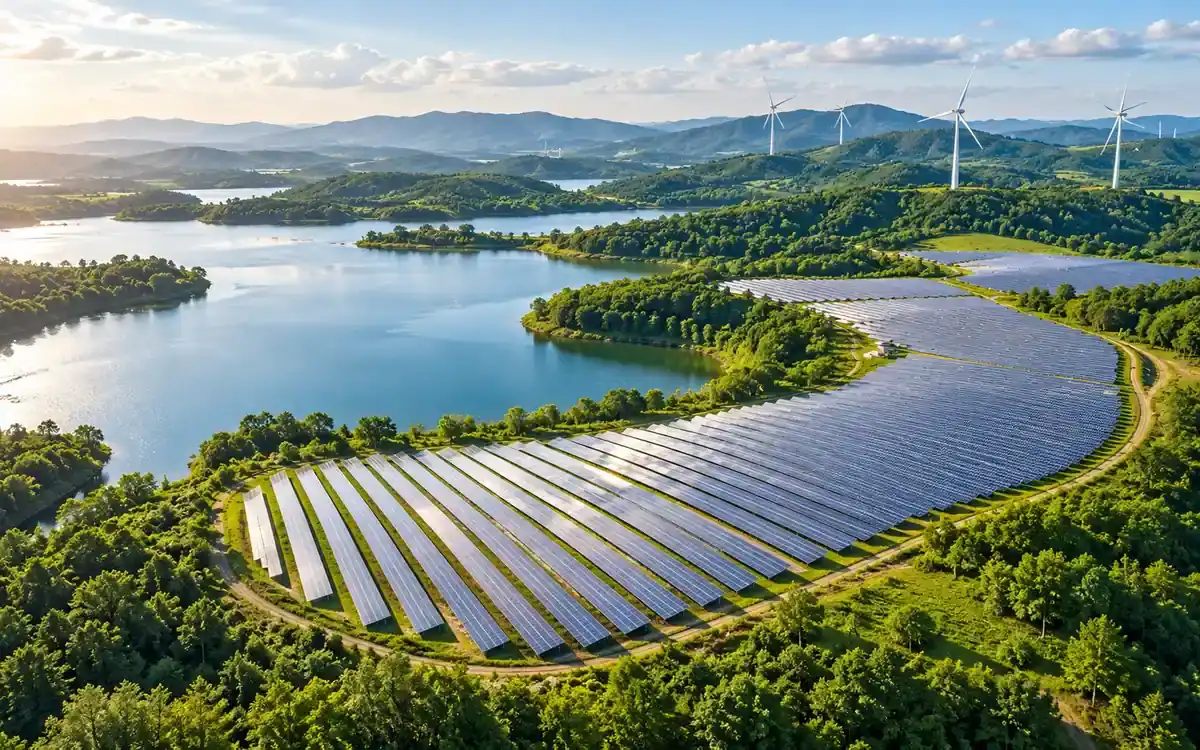
What Is Green Energy?
Distinguish renewable energy from green power through solar and wind examples, while recognising environmental impacts that still matter.
5 min read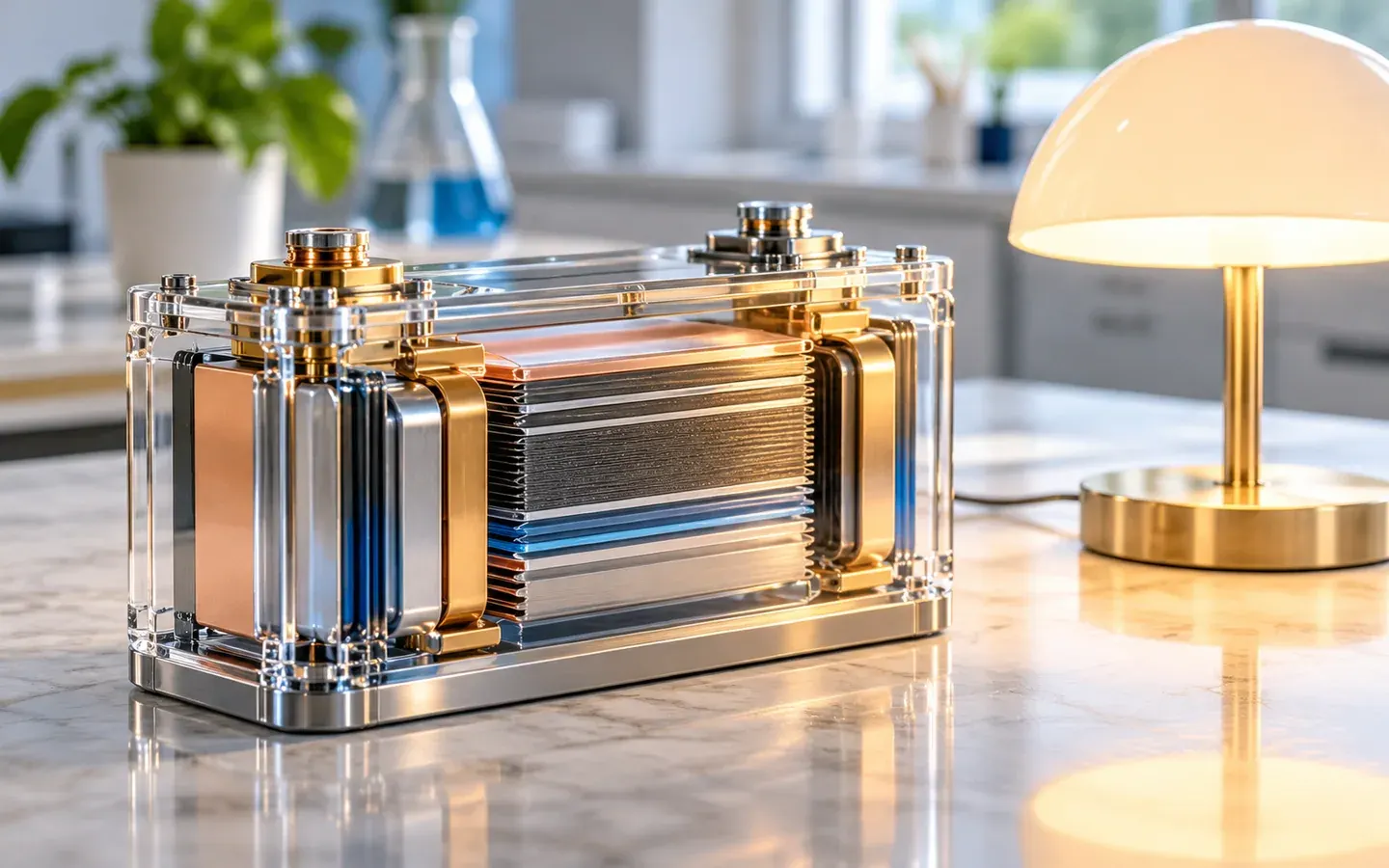 Basic
How Do Batteries Store Energy?
Follow charging, storage and discharge in a rechargeable battery, distinguishing external electron flow from internal ion movement.
5 min read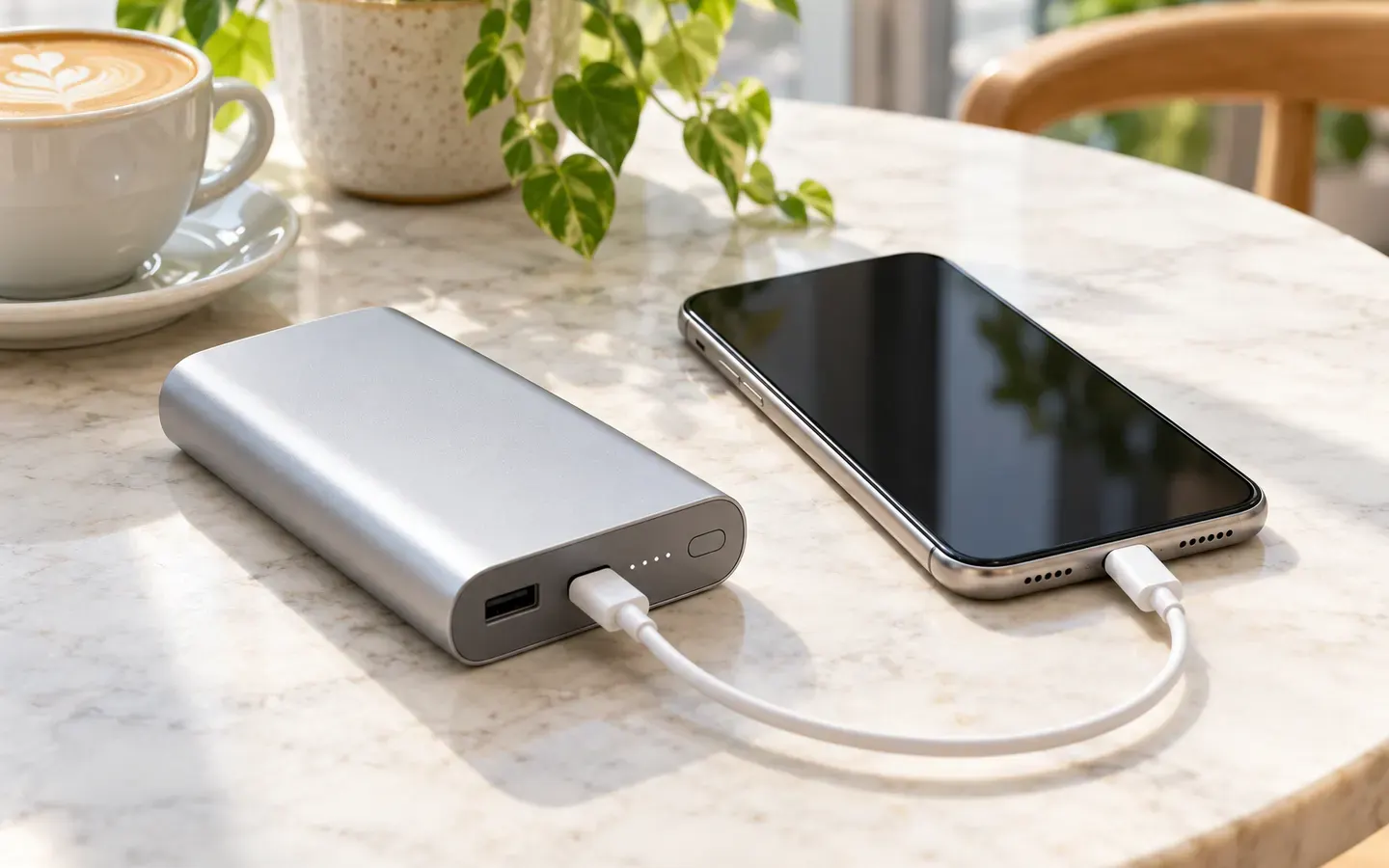 Basic
How Do Power Banks Store and Deliver Energy?
Trace energy while charging and using a power bank; distinguish chemical storage, charging control and output voltage conversion in an illustrative design.
3 min read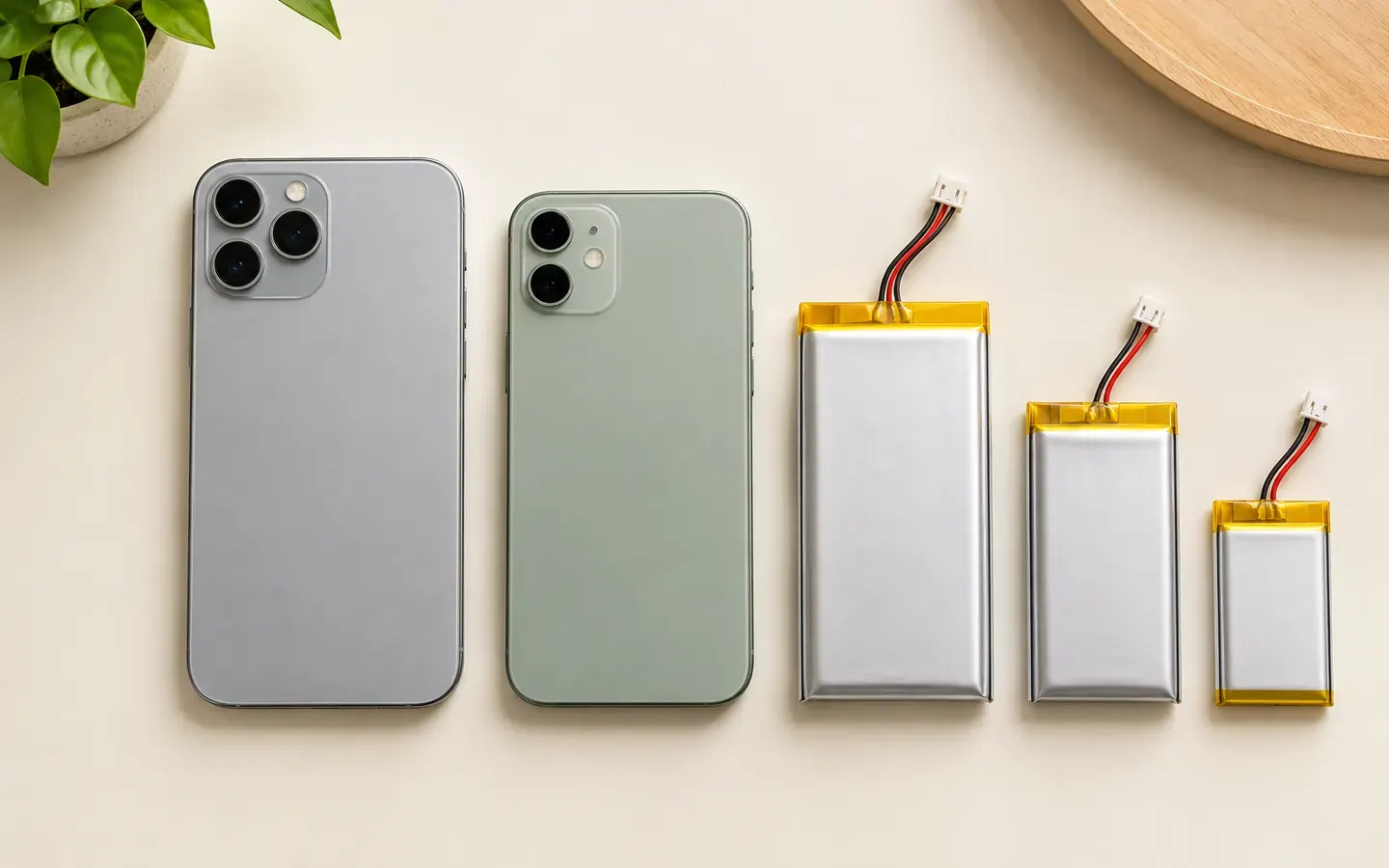 Intermediate
How Does Battery Capacity Affect Runtime?
Relate battery energy, power demand and runtime; compare devices under matching conditions rather than judging only capacity or remaining percentage.
3 min read


Sources
These sources are written for older readers. If they feel hard, read them with an adult.
- How Does Solar Energy Work?(opens in a new tab)
US Department of EnergyTier A: government, standards or research bodiesRead on October 31, 2026
- How Do Wind Turbines Work?(opens in a new tab)
US Department of EnergyTier A: government, standards or research bodiesRead on October 31, 2026