

How Should Restoration Goals Account for Climate Change?
- Starter
- Article
- Ages 10+
- 6 min read

Restoration goals can no longer simply aim at the past when climate is shifting. Goals should be forward-looking, tested against several climate scenarios, and adjusted as conditions change. The past remains a reference, but it is no longer the only destination.
Contents
- Aiming at the past (left frame, grey arrow pointing to the flagpole)
- Aiming at the future (right frame, three green arrows fanning out)
- Line dividing the two ways of aiming (dashed)
What you will learn
- Say why a goal that only aims at a historical mark may no longer fit.
- Name three ways of responding to change: resist, accept and direct.
- Explain why goals should be tested against several climate scenarios.
Before you start
You only need to know that ecological restoration means helping a degraded place recover. Other terms are explained as they come up.
Why is aiming only at the past no longer enough?
Because a changing climate can push ecosystems into states the past never had. Natural resource managers have traditionally focused on maintaining or restoring ecosystems to the conditions that prevailed over the historical period. Meanwhile, the direct effects of climate change are expected to cause large-scale ecological disturbances and lead to the transformation of ecosystems into different and new groupings of species.
Goal setting leads to a similar conclusion. For wetland restoration, setting goals for a waterbody requires knowing the historical range of conditions on the site before degradation and what future conditions might be. Planning should also take into account any irreversible changes in the watershed that may affect the system being restored.
In other words, past and future both count. The past gives a historical benchmark to compare against, and the future shows whether that benchmark is still achievable.
- Resist (block stopping the red arrow)
- Accept (arrow passing through the gap)
- Direct (green line bending diagonally up)
Resist, accept or direct change?
A manager has three ways of responding to a change under way. That is the resist-accept-direct framework, which encourages managers to consider strategic, forward-looking actions rather than keep management goals based on past conditions.
- Resist. Resisting the trajectory means working to maintain or restore ecosystem composition, structure, processes or function on the basis of historical or acceptable current conditions.
- Accept. Approaches that accept transformational change could include restoring corridors that let wildlife move between areas offering a diversity of microclimate niches.
- Direct. Directing change could include revising plant restoration mixes to add species or genotypes projected to thrive under future climate conditions.
When managers intervene, they can choose preferred ecological outcomes ranging from a return to a historical benchmark to persistence of existing, non-historical conditions. The outcome can also be the emergence of conditions with no local precedent.
How do you set a goal when the climate is not known?
Set forward-looking goals and test them against several scenarios. Develop forward-looking goals that consider future climatic conditions, and consider more than one scenario of the future when developing management strategies and actions. Adaptation planning considers multiple future scenarios to account for uncertainty in the scope, magnitude and effects of climate change.
Where do the scenarios come from? From climate futures. They use divergent climate projections that broadly characterise climate uncertainty, so they can be used to stress-test goals, activities and decisions. The "warm wet" and "hot dry" climate futures were chosen because they often stand for a best-case and a worst-case scenario for resources.
The practice is simple. A goal such as replanting one kind of tree on a patch of ground should be asked twice: does it still hold if the climate takes the favourable branch, and what if it takes the harsh one? A goal that survives both is sturdier.
- Shared starting point (black dot)
- The more favourable climate future (blue branch going up)
- The harsher climate future (red branch going down)
- Two different outcomes to stress-test goals against (two boxes on the right)
What limits should you keep in mind?
The biggest limit is uncertainty, and some places may not be saveable. A major challenge is that in many cases it is not known how and when species or ecosystems will respond under different climate change scenarios. Some areas already heavily affected by climate change could be beyond recovery, and managers should be ready to use a science-based triage approach to biodiversity conservation.
So a goal should not be set once and left alone. Adaptive management is one tool that gives managers flexibility in responding to both anticipated and new impacts.
Real-world example
Think of a family replanting the back garden, where one familiar kind of flower always grew. In recent seasons the sun has been harsher and the soil drier. They could try to hold on to the old flower by watering more, they could let the garden change by itself, or they could add a variety that copes better with sun. This is only an analogy; the three options match resist, accept and direct.
Common misunderstandings
Restoration means returning a place to exactly how it was. Goals should be forward-looking and consider future climate, not only a historical mark.
Just ignore history. The historical range of conditions still needs to be known; history is a reference, only not the sole destination.
One climate projection is enough. It is better to consider more than one scenario to account for uncertainty.
Frequently asked questions
What is resist-accept-direct?
A three-way framework for managers: resist change, accept it, or direct it.
What are climate futures used for?
To stress-test goals, activities and decisions, because they describe climate uncertainty.
Can every place be restored?
Not necessarily. Some areas already heavily affected could be beyond recovery.
Summary
Terms in this article
English and Vietnamese terms, with the meanings used here. Hover, tap or Tab to a term with a dotted underline for an explanation as you read.
- restoration goalmục tiêu phục hồi
- The state a restoration project aims for and uses to measure progress.
- historical benchmarkmốc lịch sử
- The state of a place in the past, used as a comparison or a destination.
- resist-accept-directchống, chấp nhận, định hướng
- A three-way framework for managers: resist change, accept it, or direct it.
- climate futureskhí hậu tương lai
- Descriptions of plausible future climates at a place and time, used to stress-test goals.
- scenario planninglập kế hoạch theo kịch bản
- A way of planning that weighs several plausible futures to account for uncertainty.
- adaptive managementquản lý thích ứng
- Learning through management and refining strategy accordingly, to stay flexible to anticipated and new impacts.
- triagephân loại ưu tiên
- A way of deciding which places or species to help first when resources are limited.
This article is not marked as viewed
Spotted something wrong or unsafe?
Tell the administrator by email. The message already has the article title and address.
More in this topic
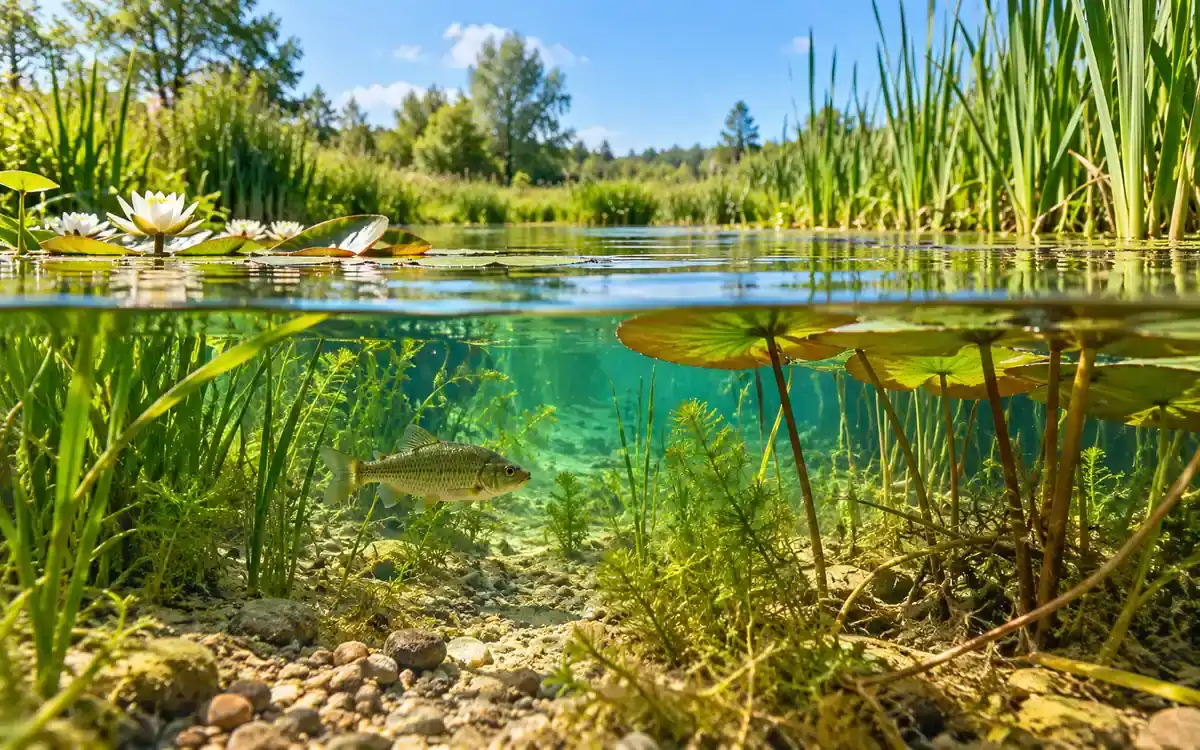 Starter
What Is an Ecosystem?
Explore ecosystems through organisms, water, soil and air, following a nutrient change to understand connections among their parts.
5 min read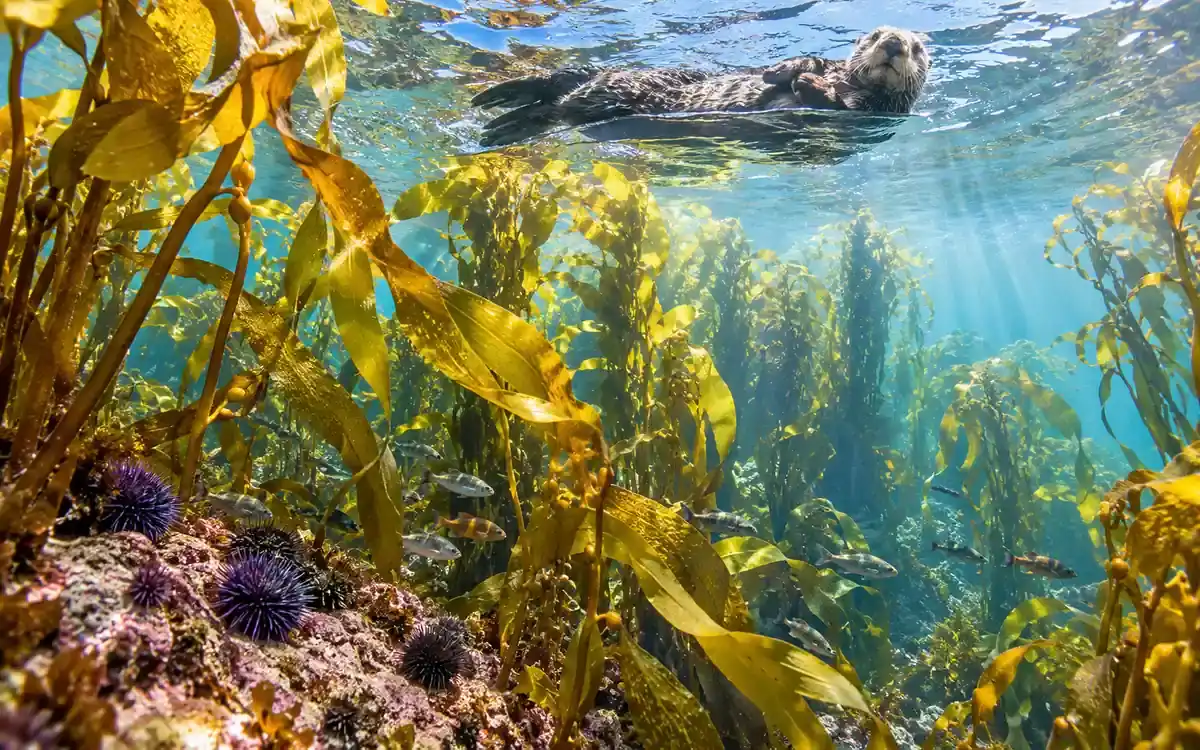 Starter
What Role Does Biodiversity Play?
Explore biodiversity’s roles in food webs, resilience and human life through the linked example of sea otters, sea urchins and kelp forests.
5 min read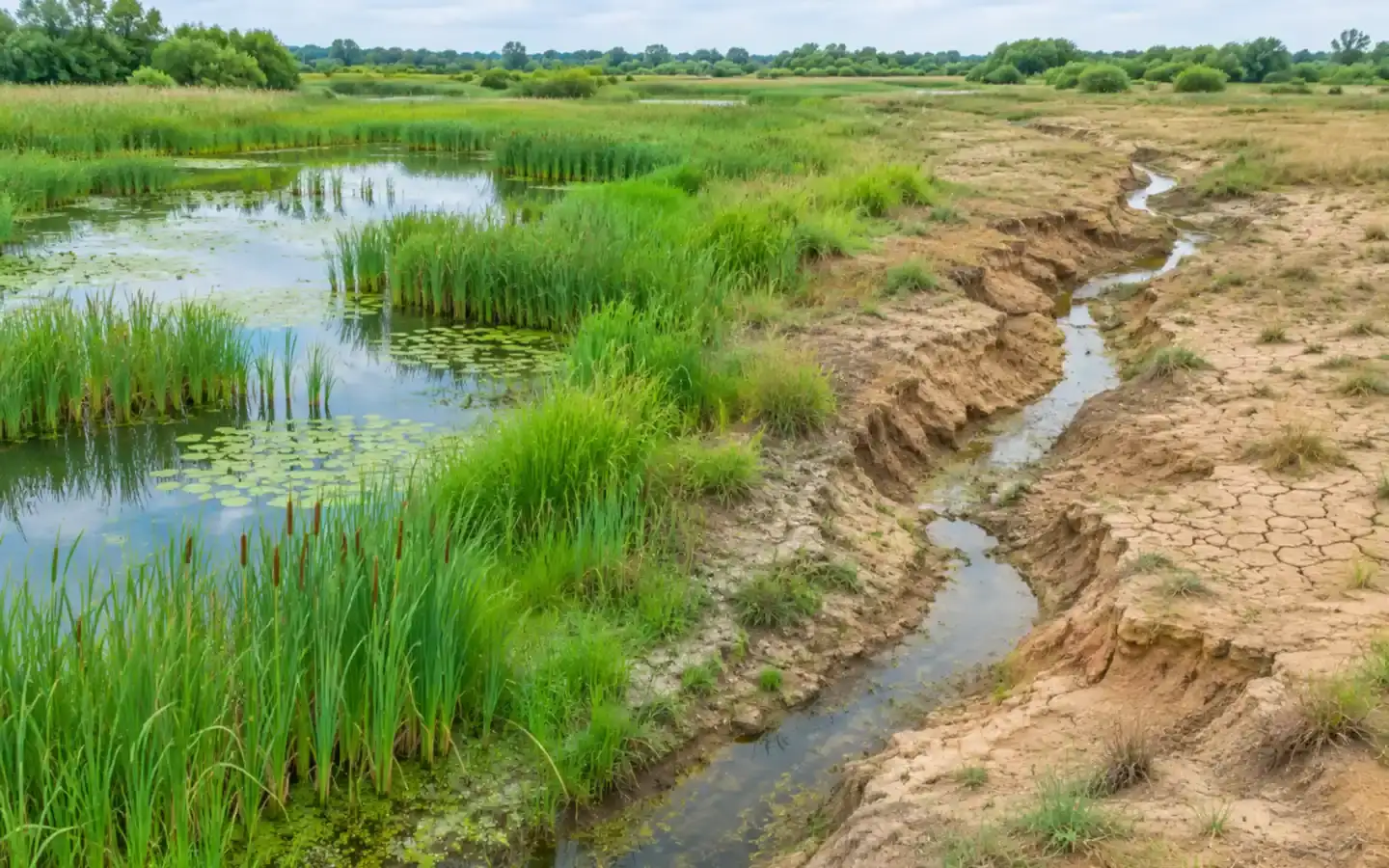 Starter
Which Functional Changes Indicate Ecosystem Degradation?
Spot ecosystem degradation through lost functions such as flood storage, habitat and water quality, using wetlands as the worked example from EPA sources.
6 min read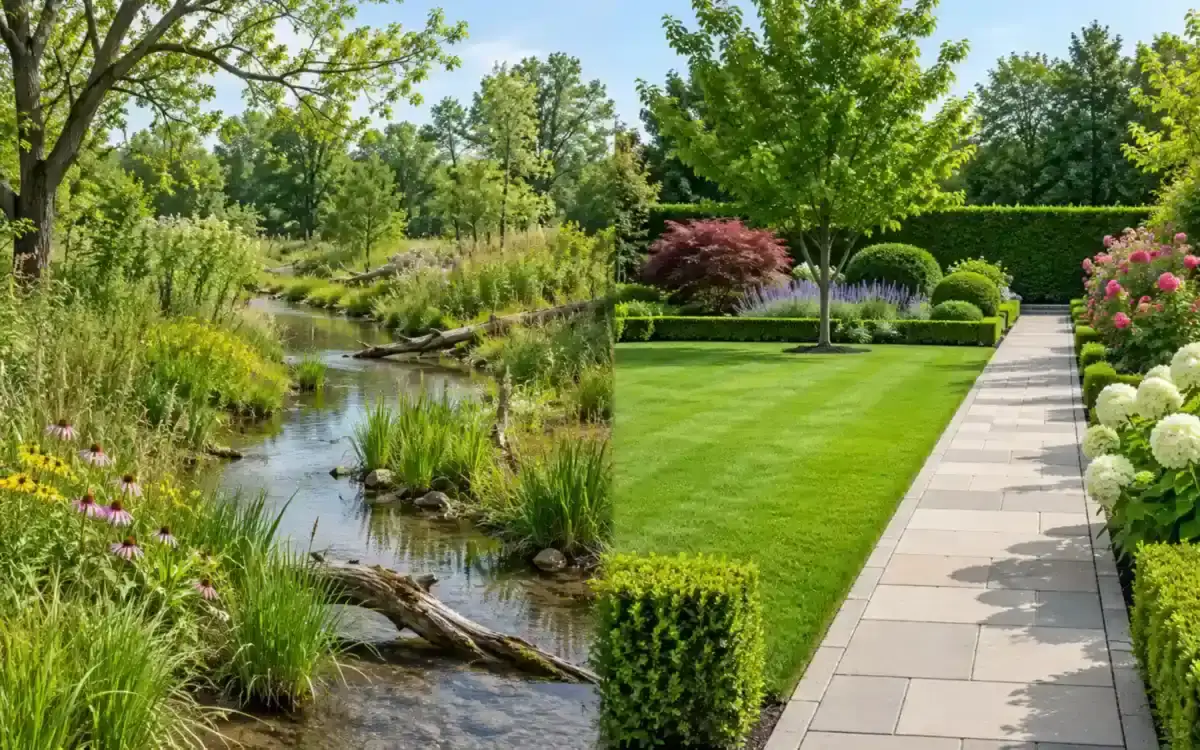 Starter
How Do Ecological Restoration and Landscaping Differ?
Ecological restoration aims to re-establish a working ecosystem; native-plant landscaping aims at a good-looking plot that may help the environment.
6 min read


Sources
These sources are written for older readers. If they feel hard, read them with an adult.
- Developing climate change strategies and actions at your park (U.S. National Park Service)(opens in a new tab)
U.S. National Park ServiceTier A: government, standards or research bodiesRead on November 14, 2026
- Ecosystems and biodiversity (NOAA Climate Toolkit)(opens in a new tab)
NOAATier A: government, standards or research bodiesRead on November 14, 2026
- Principles of wetland restoration (U.S. EPA)(opens in a new tab)
U.S. Environmental Protection AgencyTier A: government, standards or research bodiesRead on November 14, 2026