

How Does Restoration Differ from Conservation?
- Basic
- Article
- Ages 12+
- 7 min read

Conservation keeps intact ecosystems from declining, while restoration helps degraded ecosystems regain their structure, composition and natural processes. The two complement each other and do not replace each other. This article uses the terms and examples of the US Environmental Protection Agency (EPA) on wetlands and aquatic ecosystems.
Contents
What you will learn
- Compare conservation (protection) and restoration by starting point and goal.
- Explain why the causes of degradation must be dealt with first.
- Describe how to judge whether a restoration project has worked.
Before you start
It helps to know what an ecosystem is. Other terms are explained as they appear.
How do the starting point and goal of the two approaches differ?
The two approaches begin from different situations. Protection applies to relatively intact systems. Restoration applies to degraded ones. In EPA’s wetland terminology, protection is removing a threat to wetland conditions or preventing their decline. Restoration is manipulating the physical, chemical or biological characteristics of a site with the goal of returning natural or historic functions to a former or degraded wetland.
| Criterion | Protection | Restoration |
|---|---|---|
| Starting point | A relatively intact system | A degraded system |
| Goal | Prevent decline | Regain structure, composition and natural processes |
| Example actions | Buy land or an easement, repair fences or water-control structures | Manipulate the physical, chemical or biological characteristics of the site |
| Effect on wetland acres | No gain | Depends on the type of restoration |
The last row shows a difference in accounting. Re-establishing a lost wetland adds acres. Rehabilitating a degraded wetland adds function but not acres. Protection adds neither acres nor function, because it keeps existing conditions.
The two approaches complement each other. Existing, relatively intact ecosystems are the keystone for conserving biodiversity and provide the organisms and natural materials needed to recover impaired systems. So restoration does not replace the need to protect. Even for waterbodies where restoration is planned, the first objective should be to prevent further degradation.
Why must the causes of degradation be addressed first?
Restoration is likely to fail if the sources of degradation persist. So an essential step is to identify the causes and eliminate or remediate ongoing stresses where possible.
Causes often lie away from where you look. Upstream and up-slope activities must be examined, not only the impacts on the project site. A local project may not be able to change the whole watershed, but it can be designed to accommodate watershed effects better.
Restoration therefore has limits. The aim is the greatest progress toward ecological integrity achievable within the current limits of the watershed. A wetland restoration is unlikely to succeed if the hydrological regime that existed before degradation cannot be re-established.
In some cases it is enough to reduce or remove the stress and allow recovery time. This is passive restoration. It is still necessary to analyse the site’s recovery needs.
How can recovery be assessed?
You need clear, achievable and measurable goals. Goals direct implementation and provide the standards for measuring success. Verifying whether desired functions have been re-established is a good way to tell whether the project succeeded. Long-term monitoring after the project shows progress over time.
A reference site is one way to set the yardstick. It is a site comparable in structure and function to the restoration site before it was degraded, used as a model and as a yardstick for progress. But no two aquatic systems are truly identical, so differences between the reference site and the area being restored must be accounted for.
Community support matters too. Its presence or absence can be the difference between positive results and failure. And one more lesson: enhancing one function may reduce another, so an assessment should look at the other functions as well.
Real-world example
Picture two wetlands. Site A still has plenty of native vegetation and is at risk of being drained or filled. Site B was ditched, so the water flow is blocked and vegetation is sparse.
For site A, the first job is protection: remove the threat. For site B, first find out why the flow is blocked, then restore. When judging site B, you set measurable goals, choose a similar reference site and monitor over many years.
Common misunderstandings
Restoration does not replace protection. Intact systems are the source for restoration, so protection still comes first.
Restoration does not guarantee success. It is likely to fail if the sources of degradation persist.
A reference site is not a copy. No two aquatic systems are truly identical.
Frequently asked questions
How do restoration and protection differ?
Protection prevents decline in an intact system. Restoration helps a degraded system regain function.
When is it enough to wait for the system to recover?
At some sites, reducing or removing the stress and allowing time is enough. The recovery needs still have to be analysed.
How do you know a restoration project has succeeded?
Compare against clear, measurable goals, check that functions have been re-established, and monitor over the long term.
Summary
- Protection keeps intact systems; restoration helps degraded systems regain function.
- The causes of degradation must be addressed, with the watershed context in mind.
- Outcomes are judged with measurable goals, a reference site and monitoring.
Terms in this article
English and Vietnamese terms, with the meanings used here. Hover, tap or Tab to a term with a dotted underline for an explanation as you read.
- restorationphục hồi
- Assisting a degraded system to recover appropriate structure and function.
- reference siteđịa điểm tham chiếu
- A comparable healthy site used as a guide while accounting for differences.
- protectionbảo vệ
- Removing a threat to, or preventing decline of, existing wetland conditions.
- passive restorationphục hồi thụ động
- Reducing or eliminating the sources of degradation and allowing recovery time so a site regenerates naturally.
This article is not marked as viewed
Spotted something wrong or unsafe?
Tell the administrator by email. The message already has the article title and address.
More in this topic
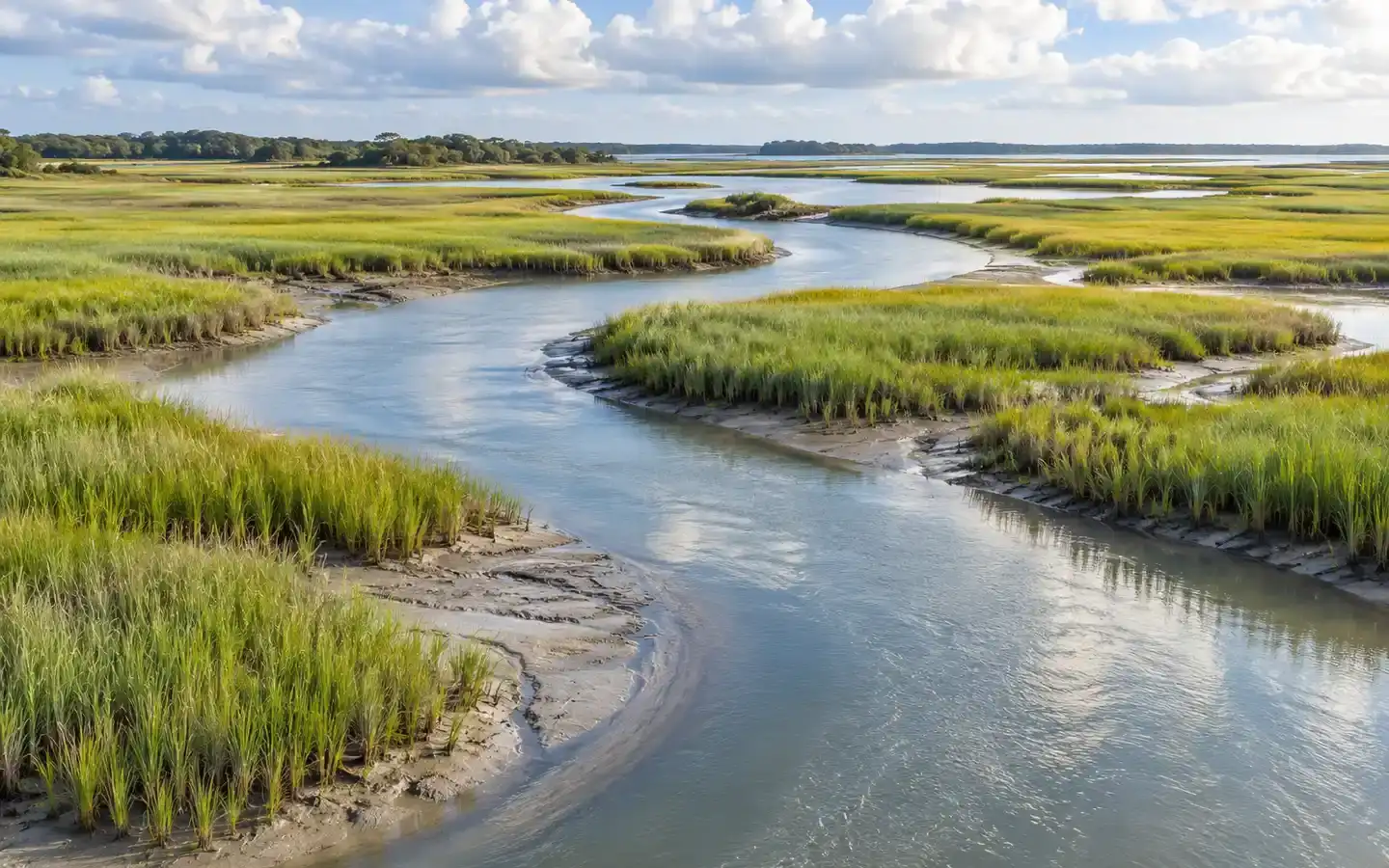 Basic
How Do Degraded Wetlands Recover?
Follow wetland recovery from reducing degradation pressures to restoring water regimes, vegetation and monitoring of ecological functions over time.
3 min read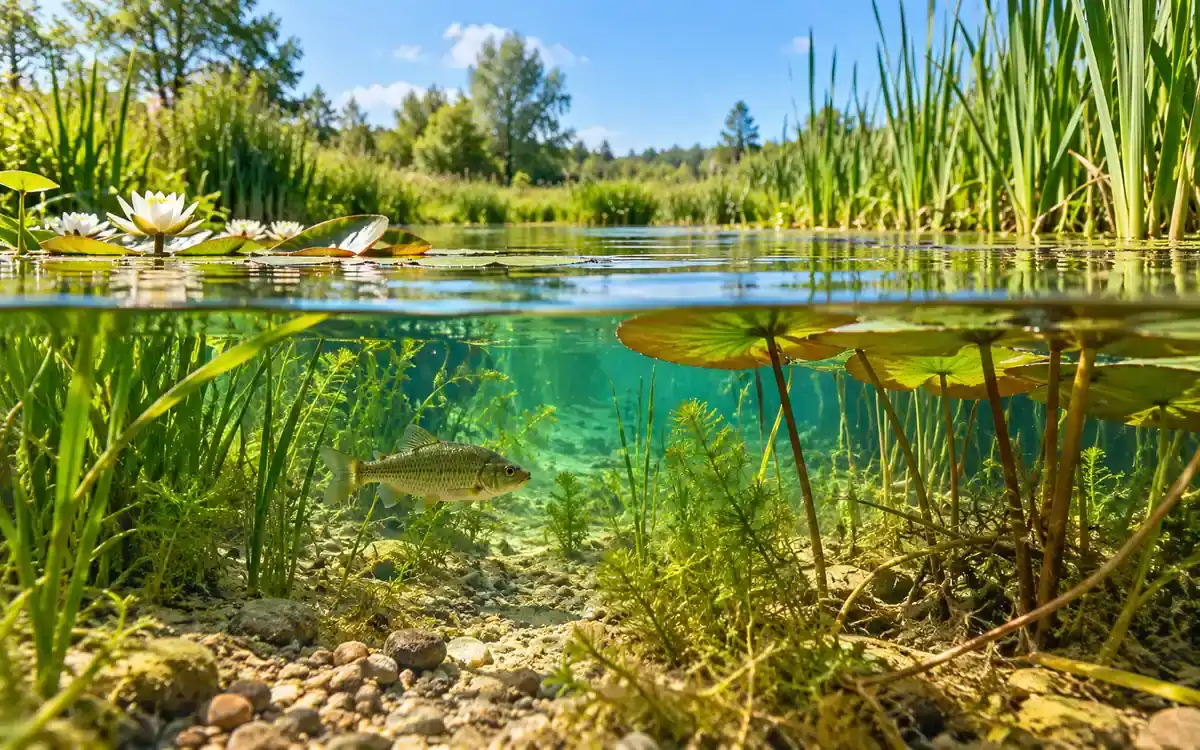 Starter
What Is an Ecosystem?
Explore ecosystems through organisms, water, soil and air, following a nutrient change to understand connections among their parts.
5 min read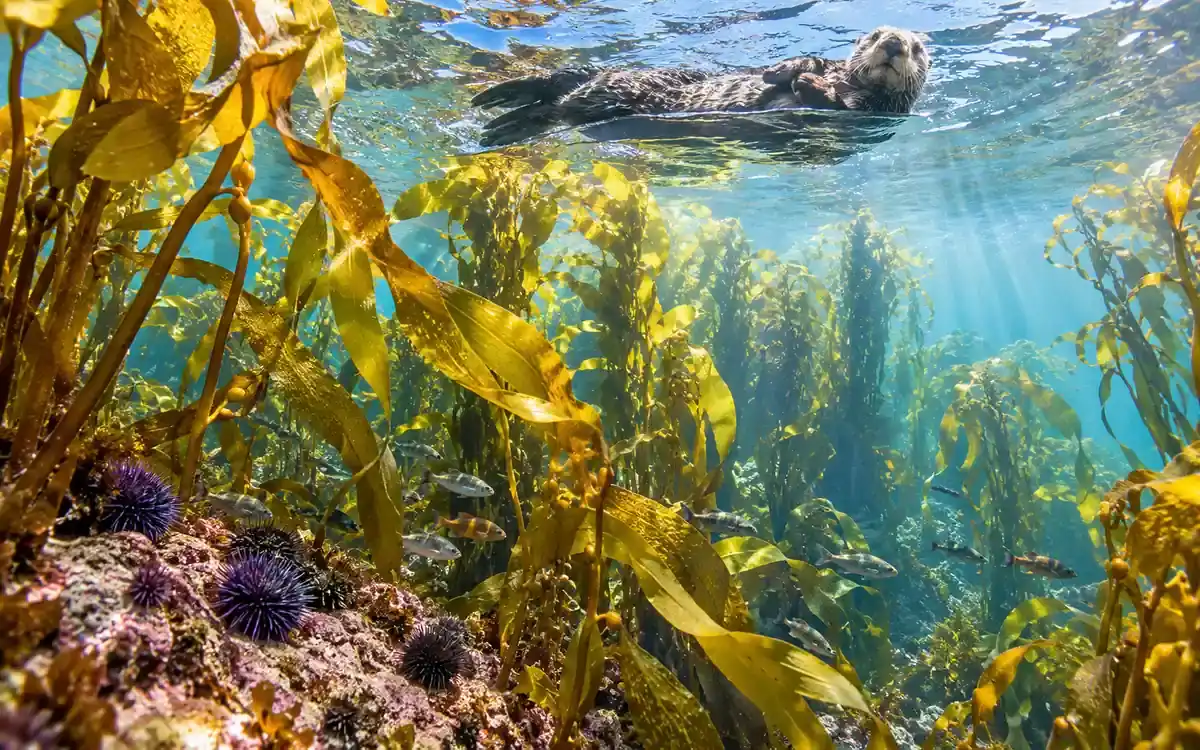 Starter
What Role Does Biodiversity Play?
Explore biodiversity’s roles in food webs, resilience and human life through the linked example of sea otters, sea urchins and kelp forests.
5 min read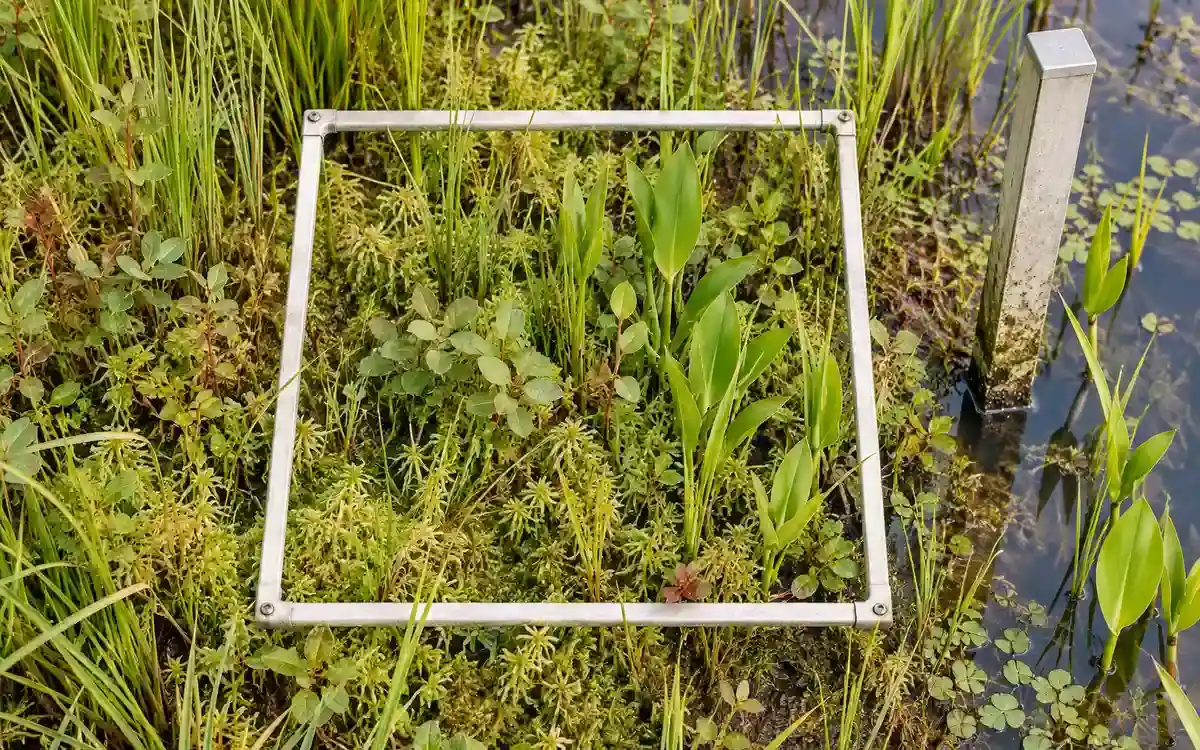 Intermediate
How Do We Measure Ecosystem Recovery?
Set goals, select indicators, record a baseline and compare a reference site; use monitoring results to adapt rather than conclude from a green photograph.
3 min read


Sources
These sources are written for older readers. If they feel hard, read them with an adult.
- Principles of Wetland Restoration(opens in a new tab)
US EPATier A: government, standards or research bodiesRead on October 31, 2026
- Wetlands Restoration Definitions and Distinctions(opens in a new tab)
US EPATier A: government, standards or research bodiesRead on October 31, 2026