

What Is an Ecosystem?
- Starter
- Article
- Ages 10+
- 5 min read

An ecosystem is an ecological community made of biological, physical and chemical components, considered as a unit. Organisms and their environment, such as air, water and soil, interact with each other. Because every part is linked, a change in one part can affect the others.
Contents
What you will learn
- Name the components of an ecosystem.
- Explain why one impact can spread to other components.
- Describe how scientists observe a whole ecosystem rather than just counting species.
Before you start
No specialist background is needed; technical terms are explained as they appear.
What parts belong to an ecosystem?
An ecosystem includes both living and nonliving things. Within an area, living and nonliving parts interact, and together they form the ecosystem. Plants, animals and other organisms are the living part. Air, water and soil are the environment.
This view groups three kinds of component: biological, physical and chemical. A pond is an easy example. Fish and water plants are the living part, the water and the bed are the physical part, and substances dissolved in the water are the chemical part.
Because all the elements are interrelated, ecosystems can be quite complex. They must maintain a delicate balance among their members. Human interference and extreme natural events can tip this balance and threaten an ecosystem’s health.
How do the parts influence one another?
Everything in an ecosystem is connected. If something harms one part, such as a plant species, an animal species, the soil or the water, it can have an impact on everything else.
Follow one specific chain. Nitrogen is an essential nutrient for all life. But in excess, it can cause algae to grow faster than the ecosystem can handle. A large increase in algae harms water quality, food resources and habitats. It also decreases the oxygen that fish and other aquatic life need to survive.
Air pollution takes indirect routes as well. It affects animals and plants directly through the air and indirectly through the water and soil. Acid rain can damage lakes and streams, affecting the fish and other wildlife in them. Some species tolerate acidic water, but acid-sensitive ones are lost as the pH declines.
How can an ecosystem be observed?
Counting species is not enough to understand an ecosystem. Scientists monitor at many levels: sometimes an entire ecosystem, sometimes the chemistry of a single microbe. This wide range of data is collected into combined assessments.
The assessments describe the current health of the ecosystem, predict its future state and evaluate management strategies that may improve its health. This lets people decide how to protect an ecosystem on the basis of the links among its components, not a single number.
Real-world example
Look at a pond near your home. Note three groups: what is living (fish, plants), what belongs to the environment (water, soil, the air above) and what has changed recently (for example murkier water, more algae).
Then ask: which change could cause which? If the water is rich in nutrients, algae grow fast, oxygen drops and fish struggle. That chain ties all three groups into one story, and that is what looking at an ecosystem means.
Common misunderstandings
An ecosystem is not only organisms. Air, water and soil are components too.
An impact does not necessarily stop at one species. What harms one part can affect the others.
Counting species does not describe an ecosystem. You need the relationships between organisms and environment.
Frequently asked questions
What is an ecosystem?
An ecological community of biological, physical and chemical components, considered as a unit.
Why is too much nutrient harmful to water?
Excess nutrients make algae grow faster than the ecosystem can handle, harming water quality and reducing oxygen for fish.
How do scientists observe ecosystems?
They monitor at many levels, from a whole ecosystem to a single microbe, and collect the data into combined assessments.
Summary
- An ecosystem includes living components and their environment, considered as a unit.
- The parts are linked, so one impact can spread.
- Scientists monitor at many levels and combine the data into assessments.
Terms in this article
English and Vietnamese terms, with the meanings used here. Hover, tap or Tab to a term with a dotted underline for an explanation as you read.
- ecosystemhệ sinh thái
- Organisms and their environment considered through their relationships.
- algaetảo
- Organisms that can grow excessively under nutrient enrichment.
- nitrogennitơ
- An essential nutrient for all life that, in excess, can make algae grow too fast.
- acid rainmưa axit
- Rain formed from nitrogen, sulfur and other compounds that can damage lakes and streams.
This article is not marked as viewed
Spotted something wrong or unsafe?
Tell the administrator by email. The message already has the article title and address.
More in this topic
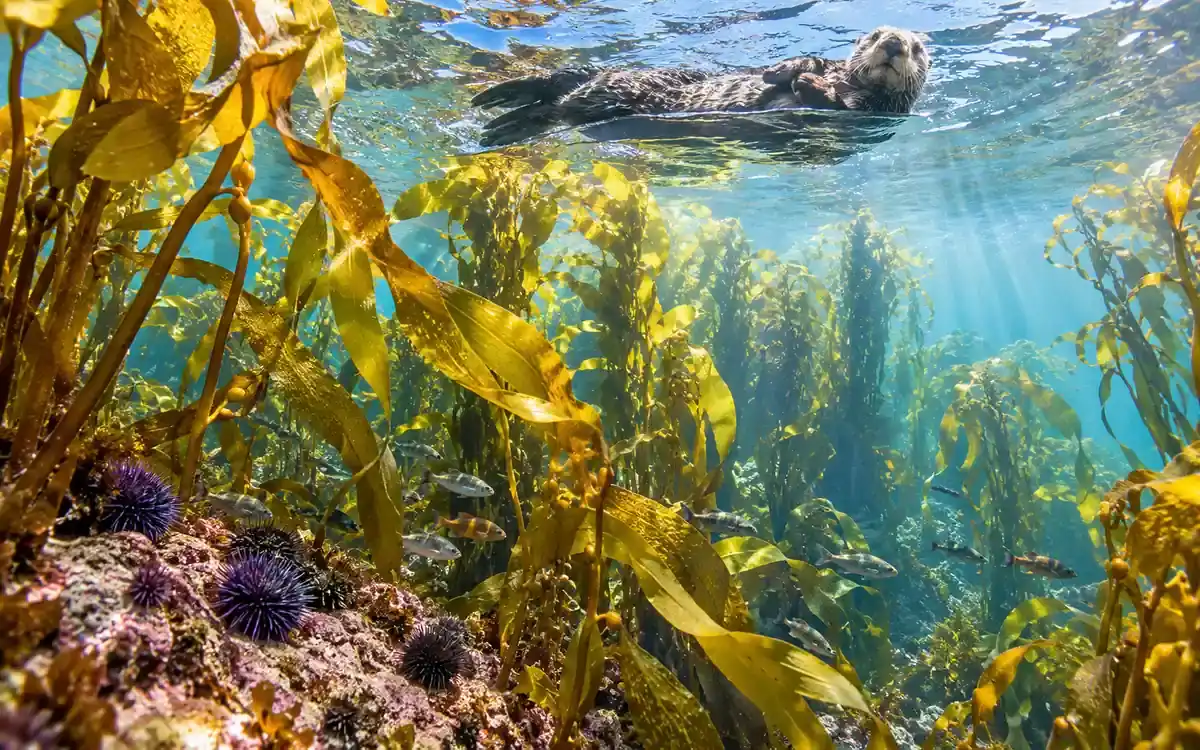 Starter
What Role Does Biodiversity Play?
Explore biodiversity’s roles in food webs, resilience and human life through the linked example of sea otters, sea urchins and kelp forests.
5 min read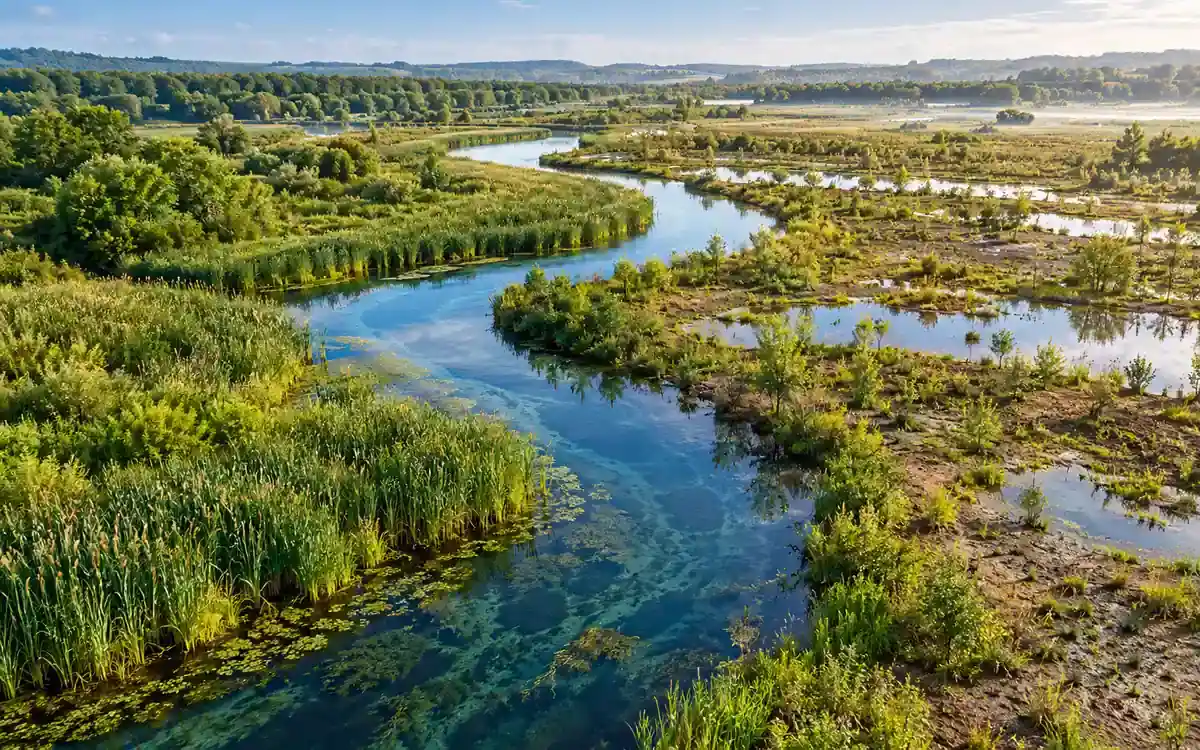 Basic
How Does Restoration Differ from Conservation?
Compare protecting intact ecosystems with assisting degraded systems, using a wetland example to connect goals, actions and evidence of recovery.
7 min read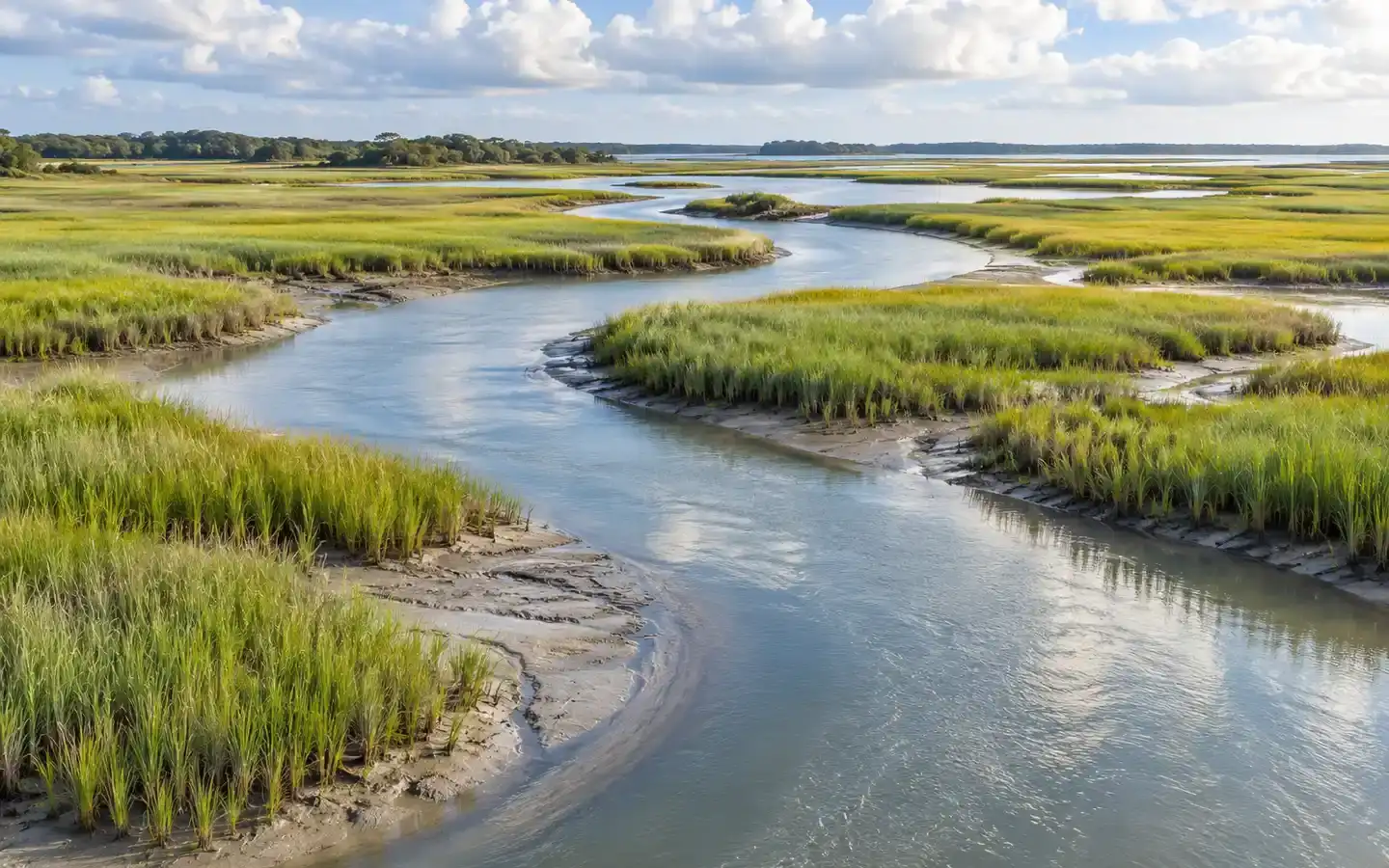 Basic
How Do Degraded Wetlands Recover?
Follow wetland recovery from reducing degradation pressures to restoring water regimes, vegetation and monitoring of ecological functions over time.
3 min read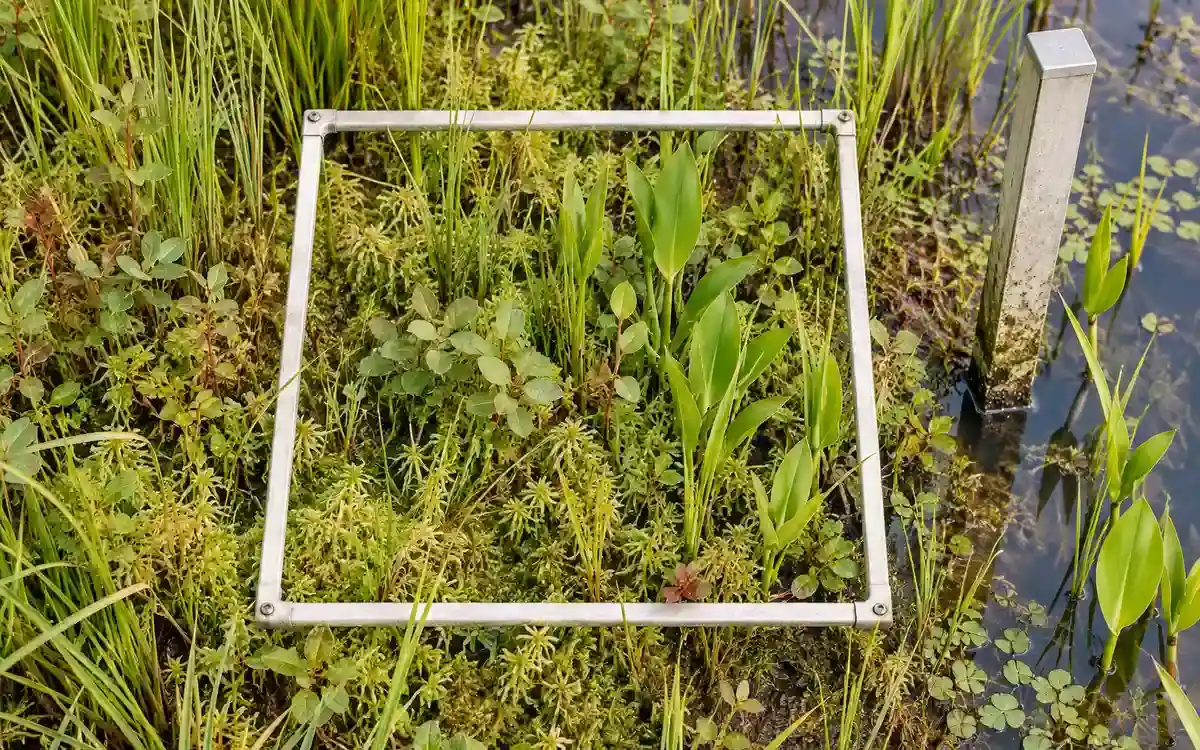 Intermediate
How Do We Measure Ecosystem Recovery?
Set goals, select indicators, record a baseline and compare a reference site; use monitoring results to adapt rather than conclude from a green photograph.
3 min read


Sources
These sources are written for older readers. If they feel hard, read them with an adult.
- What is ecosystem science?(opens in a new tab)
NOAATier A: government, standards or research bodiesRead on October 31, 2026
- Air, Animals, and Plants(opens in a new tab)
US EPATier A: government, standards or research bodiesRead on October 31, 2026