

Where Do We Encounter IoT Sensors?
- Starter
- Article
- Ages 10+
- 4 min read

A sensor used in an IoT system measures something; the system can share its reading over a connection. These sensors appear in homes, on farms, in healthcare and in cities, measuring things such as soil moisture or heart rate.
Contents
- The home
- The farm
- Healthcare
- The city
What you will learn
- Name four places where IoT sensors are used.
- Describe what a sensor measures in each of those places.
- Spot an IoT sensor in a place you know.
Before you start
Read "What Is the Internet of Things?" first. Knowing that a sensor measures something is enough.
Which sensors are in a smart home?
A smart home uses IoT devices to measure home conditions, manage home appliances and control home access.
A sensor at the door is one example. A floor sensor is another.
For older people, these sensors can help switch hard-to-reach devices on and off. They can even detect falls, using floor or camera sensors.
- A sensor at the door
- A floor sensor
- A sensor measuring home conditions
Which sensors work on a farm?
On a farm, many sensors can be placed in the soil to measure soil moisture. Farmers can use that to build systems that use irrigation water better.
In protected agriculture, sensors can monitor environmental conditions and plant or animal vital signs. In greenhouses specifically, cameras can capture crop diseases and insect pests.
- A soil moisture sensor
- An irrigation sprinkler
- A crop plant
Which sensors help in healthcare?
Some medical sensors connect to IoT to measure temperature, respiration or heart rate.
They can be used in crucial medical equipment such as ECG monitors, glucose level sensing and oxygen monitoring. These readings can be sensitive, so privacy and security matter.
- An IoT-connected medical device with a sensor
- A screen showing the readings
Which sensors are in a city?
In a smart city, IoT can gather and analyze data on climate, emissions, traffic, waste management and disasters.
A smart bin is an easy one to picture. Some systems use ultrasonic sensors to estimate the waste level by measuring the time between sending sound and receiving its echo.
- A smart bin with a sensor measuring fill level from above
- Buildings
- A road with traffic
Real-world example
Look around your street or your school with an adult. Can you find a door, a bin or a plant that might have a sensor? You will probably not see the sensor itself. Think about what it could measure, and where the reading would be useful.
Common misunderstandings
IoT sensors are only for gadgets in a home. The same idea is used on farms, in healthcare and in cities.
Every sensor measures only one thing. Sensors and sensor systems can provide multiple measurements. For example, in protected agriculture they can provide information about temperature, humidity, wind speed, plant diseases, insect pests and animal vital signs.
Frequently asked questions
What is an example of an IoT sensor at home?
A floor or camera sensor that can detect a fall is one example. A sensor at the door is another, because smart homes can control home access.
Do farms use IoT sensors?
Yes. Sensors in the soil can measure soil moisture, and greenhouse sensors can provide temperature and humidity.
Are there IoT sensors in cities?
Yes. Smart cities can gather data on traffic and waste management. Some bins use ultrasonic sensors to estimate fill level from the distance to the waste surface.
Summary
- Sensors in connected IoT systems take measurements and can share their readings.
- At home they measure home conditions and can detect falls; on farms they measure soil moisture.
- In healthcare they measure body signals such as heart rate, and in cities they help with traffic and waste.
Terms in this article
English and Vietnamese terms, with the meanings used here. Hover, tap or Tab to a term with a dotted underline for an explanation as you read.
- IoT sensorCảm biến IoT
- A sensor used in an IoT system to measure a quantity; the system can share the reading over a network.
- Smart homeNhà thông minh
- A home using connected devices to monitor conditions and control appliances or access.
- Soil moistureĐộ ẩm của đất
- Water present in soil, monitored by sensors to help manage irrigation.
- Smart cityThành phố thông minh
- A city using data and connected technology to support activities such as traffic and waste management.
- Medical sensorCảm biến y tế
- A sensor measuring health-related information, such as temperature or heart rate; some connect to IoT.
- IrrigationTưới tiêu
- Supplying water to crops; sensor data can help use that water more efficiently.
- Smart binThùng rác thông minh
- A bin fitted with sensors to provide data for waste management.
This article is not marked as viewed
Spotted something wrong or unsafe?
Tell the administrator by email. The message already has the article title and address.
More in this topic
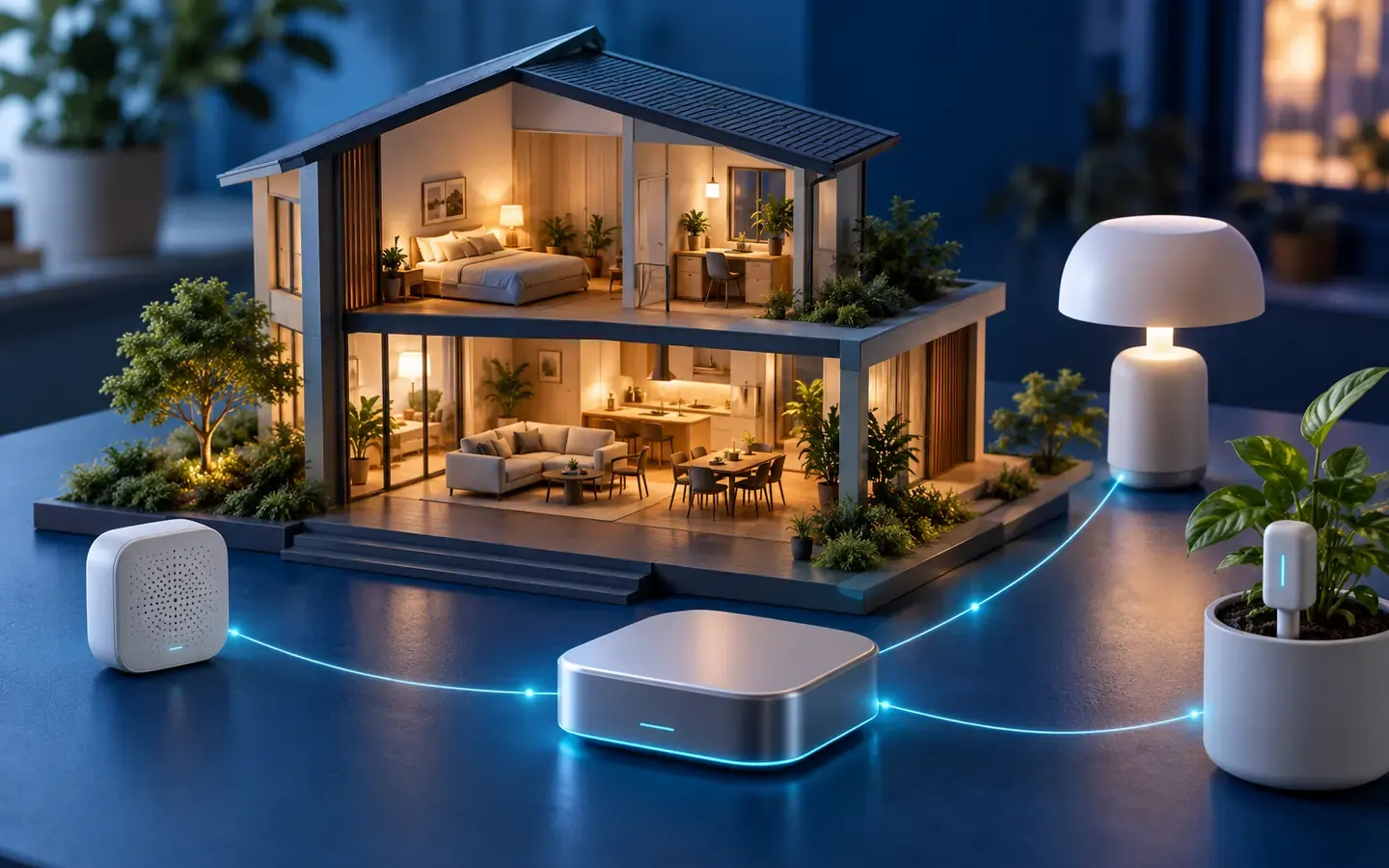 Starter
What Is the Internet of Things?
What the Internet of Things (IoT) is, why people connect objects to a network and what limits small connected devices have. A first article for beginners.
4 min read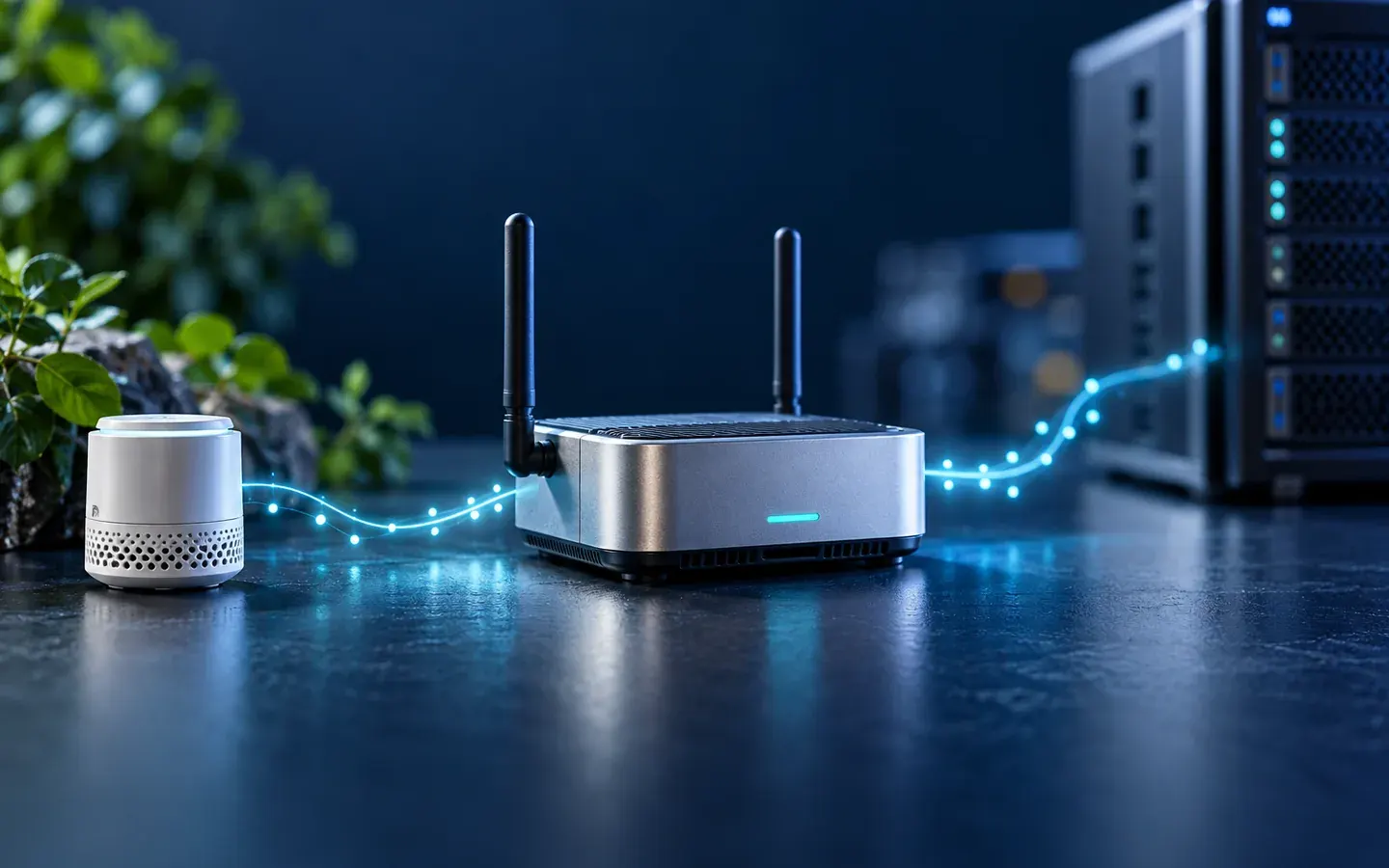 Starter
How Do IoT Devices Connect to One Another?
How IoT devices talk to each other directly, send data to the cloud or go through a gateway. A beginner's guide to the ways devices connect.
4 min read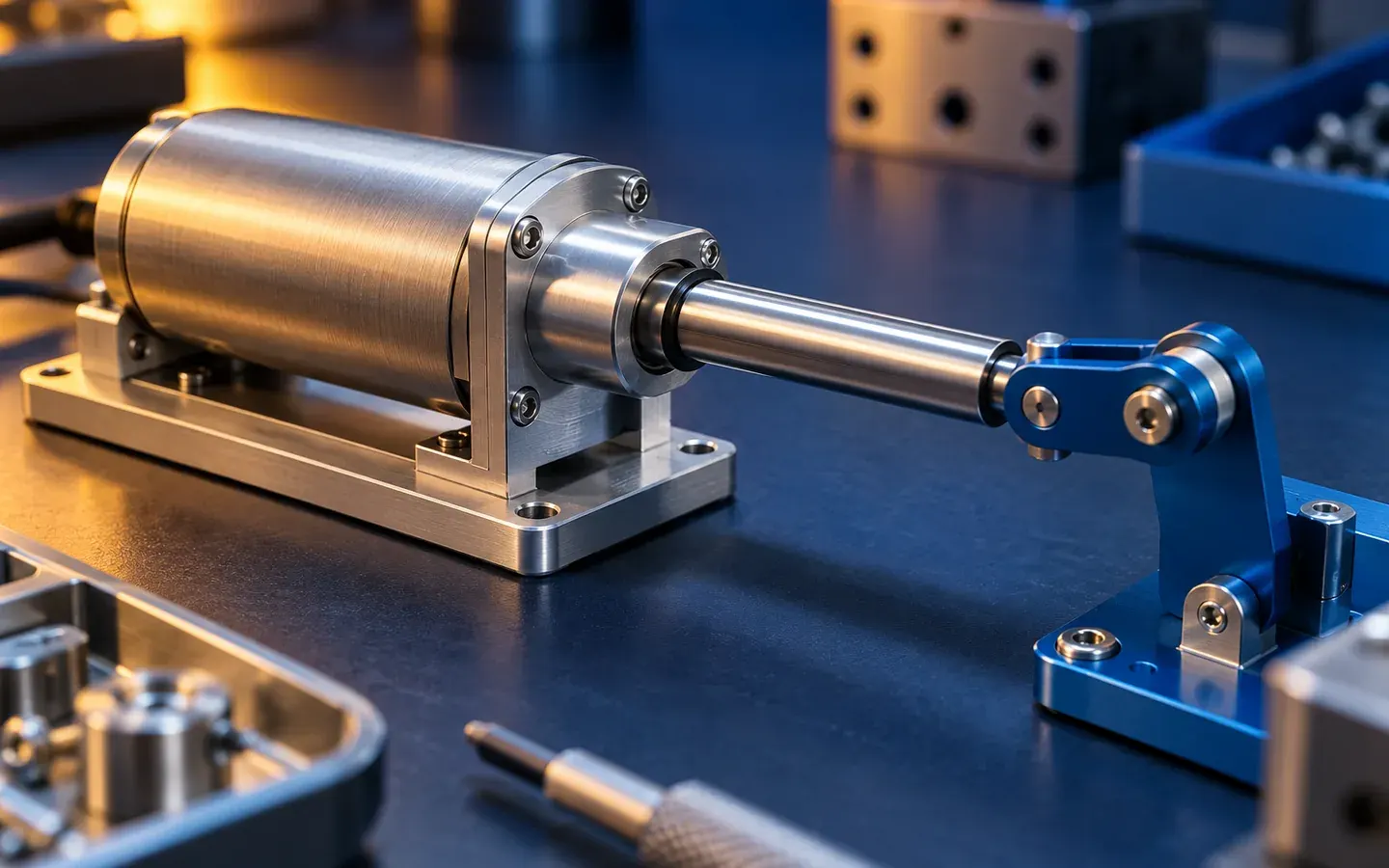 Starter
Explore an IoT Actuator Through an Example
Explore control signals, energy sources and motion mechanisms through an example of an IoT actuator.
4 min read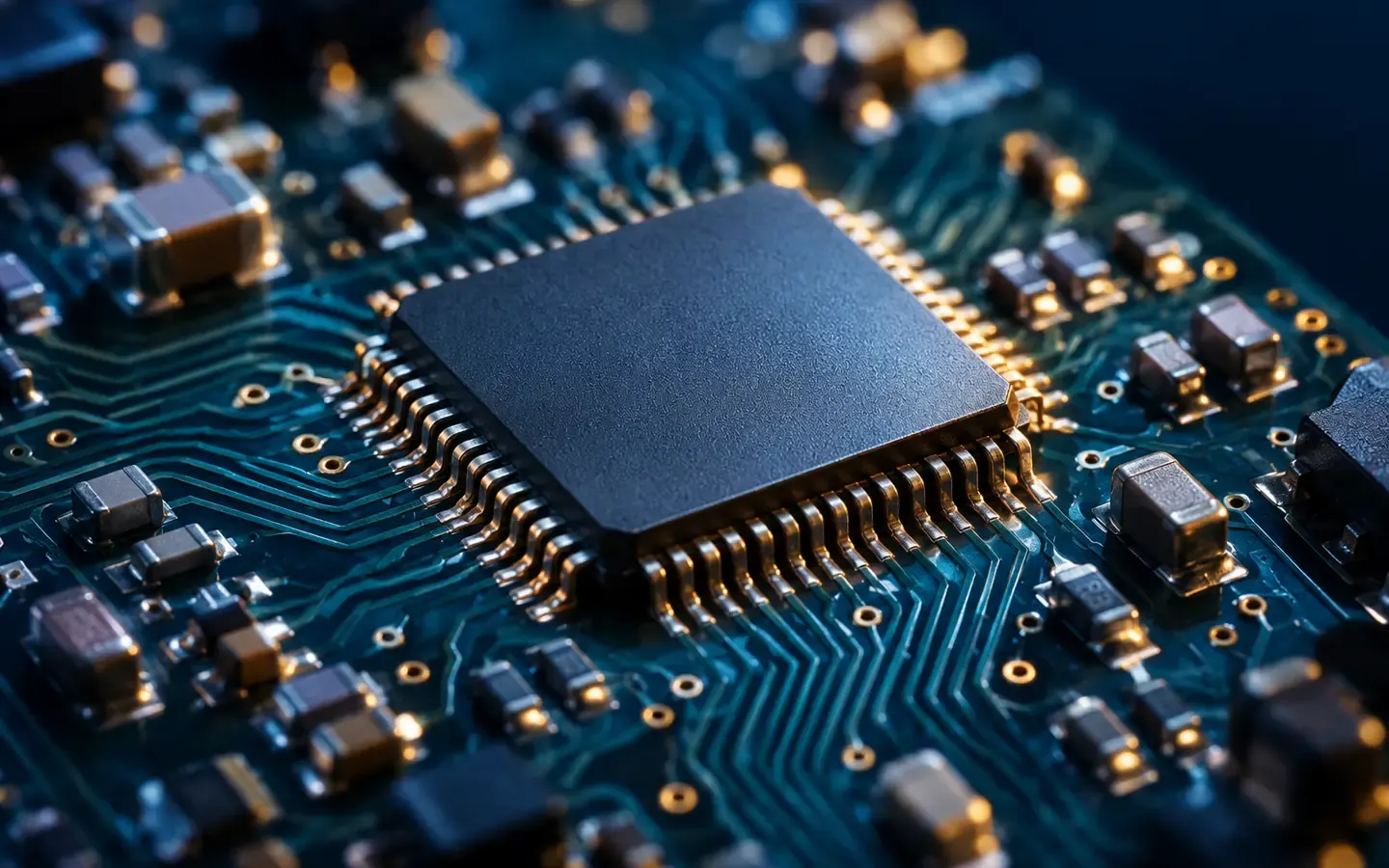 Starter
Why Does the IoT Microcontroller Matter?
What a microcontroller is, where it sits in an IoT device and why its small memory and limited power make it matter. A first article for beginners.
3 min read


Sources
These sources are written for older readers. If they feel hard, read them with an adult.
- Unleashing the Power of IoT: A Comprehensive Review of IoT Applications and Future Prospects in Healthcare, Agriculture, Smart Homes, Smart Cities, and Industry 4.0(opens in a new tab)
Sensors (MDPI), via PubMed Central, National Library of MedicineTier A: government, standards or research bodiesRead on October 28, 2026
- State-of-the-Art Internet of Things in Protected Agriculture(opens in a new tab)
Sensors (MDPI), via PubMed Central, National Library of MedicineTier A: government, standards or research bodiesRead on October 28, 2026
- Sensors on Internet of Things Systems for the Sustainable Development of Smart Cities: A Systematic Literature Review(opens in a new tab)
Sensors (MDPI), via PubMed Central, National Library of MedicineTier A: government, standards or research bodiesRead on October 28, 2026