

What Does a System on Chip Integrate?
- Starter
- Article
- Ages 10+
- 5 min read

An SoC, short for system on a chip, is an integrated circuit that puts the main blocks of a whole computer system on one chip: processors, memory, graphics, connectivity and ports. One chip does the work of many separate chips, so devices get smaller and use less power, but individual parts are harder to replace.
Contents
- Processing block (CPU)
- Graphics and neural blocks (GPU, NPU)
- Memory
- Input/output
- Wireless connectivity
What you will learn
- List the main blocks inside an SoC.
- Describe how the blocks cooperate.
- State the benefit and the price of putting everything on one chip.
Before you start
No prior knowledge is needed. You only need to know that a phone or computer has parts for processing, memory and connections.
What is an SoC?
An SoC is an integrated circuit that combines the key components of a computer or electronic system onto a single chip. phoenixNAP's glossary says that instead of relying on multiple discrete chips for processing, memory, graphics, input/output and connectivity, an SoC combines these elements into one optimized architecture. Hilscher's glossary describes it similarly.
- Several separate chips joined by wires
- One SoC combining all the blocks
What blocks are inside an SoC?
There are processing blocks, memory, input/output and wireless connectivity. According to phoenixNAP, an SoC typically includes CPU cores, GPUs, NPUs (neural processing units), DSPs and hardware accelerators for tasks such as encryption, imaging and video processing.
For memory, Hilscher says the components of an SoC can include RAM and ROM. All the blocks access memory through a unified memory controller that manages caches and external DRAM, according to phoenixNAP.
For outside connections, I/O controllers interface with displays, sensors, storage and other peripherals. Hilscher adds ports for cameras and sensors, and accompanying components such as GPUs, Wi-Fi or cellular network modems.
- CPU: general logic
- GPU: graphics
- NPU: AI inference
- Memory
How do the blocks cooperate?
They talk over the on-chip interconnect and work is assigned block by block. phoenixNAP writes that the components communicate over high-speed on-chip interconnects and share carefully managed access to memory. Work is assigned to each block: general logic to the CPU, graphics to the GPU and AI inference to the NPU.
While running, the SoC also adjusts itself. Idle blocks can be slowed or shut down, while active blocks can be boosted within safe limits.
- On-chip interconnect
- Processing blocks (CPU, GPU, NPU)
- Memory and I/O
Why integrate, and what does it cost?
Integration cuts power and area. According to Hilscher, SoCs are designed to be integrated across modules, giving lower power consumption and a smaller semiconductor area than multi-chip architectures. JLCPCB says one package replaces a CPU, GPU, memory controller, wireless chip and power management chip.
The price is replaceability. Hilscher writes that SoCs offer lower power consumption and smaller form factors, but with the trade-off of reduced component replaceability.
Real-world example
Picture an illustrative phone. When you open the camera, the imaging block handles the picture, the GPU draws the screen and the modem keeps the network connection, all on the same SoC. If one block fails, you cannot take it out and swap it as in a desktop computer with several separate chips. This is a model, not a description of a specific device.
Common misunderstandings
An SoC is just a fast processor. It is a complete system with several blocks: compute, memory control, connectivity and control logic.
Every SoC has the same set of blocks. Blocks such as the GPU, NPU or modem depend on the chip; they are common but not every chip has them all.
Integration is all upside. The trade for lower power and smaller form is reduced replaceability of individual components.
Frequently asked questions
What is an SoC?
An integrated circuit that puts the main blocks of a whole computer or electronic system on one chip.
What blocks does an SoC contain?
Typically CPU cores, GPUs, NPUs, DSPs, hardware accelerators, memory, I/O controllers and wireless connectivity blocks.
How do the blocks of an SoC communicate?
Over high-speed on-chip interconnects, sharing carefully managed access to memory.
What is the drawback of an SoC?
Reduced replaceability of individual components.
Summary
- An SoC puts the main blocks of a system on a single chip.
- Processing, memory, I/O and connectivity blocks cooperate over the on-chip interconnect.
- Integration cuts power and area but reduces replaceability of components.
Terms in this article
English and Vietnamese terms, with the meanings used here. Hover, tap or Tab to a term with a dotted underline for an explanation as you read.
- system on a chiphệ thống trên một chip
- An integrated circuit that puts the main blocks of a whole computer or electronic system on one chip.
- CPU
- The central processing unit, which runs the system's general logic and instructions.
- GPU
- The graphics processing unit, specialised for drawing images and parallel computation.
- NPU
- The neural processing unit, specialised for neural-network math and AI inference.
- memory controllerbộ điều khiển bộ nhớ
- The block that manages memory reads and writes for all the other blocks.
- on-chip interconnectkết nối trên chip
- The high-speed pathway joining the blocks inside one chip.
- I/O controllerbộ điều khiển vào ra
- The block that links the chip to displays, sensors, storage and other peripherals.
- modem
- The block that provides wireless connectivity, such as to a cellular network.
This article is not marked as viewed
Spotted something wrong or unsafe?
Tell the administrator by email. The message already has the article title and address.
More in this topic
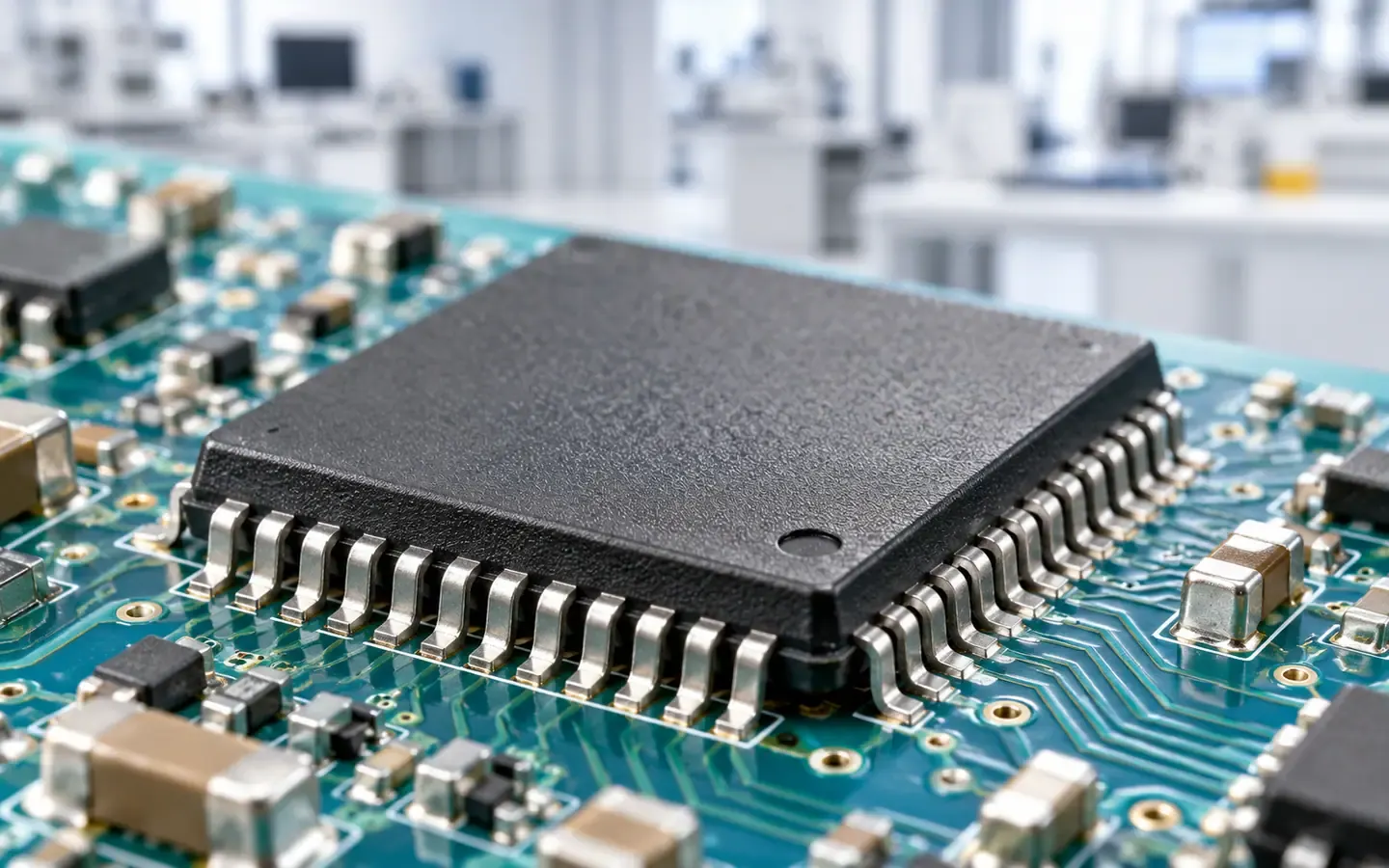 Starter
What Is a Microchip?
Understand microchips, transistors and chip packages through a phone example, and distinguish a semiconductor material from a finished circuit.
5 min read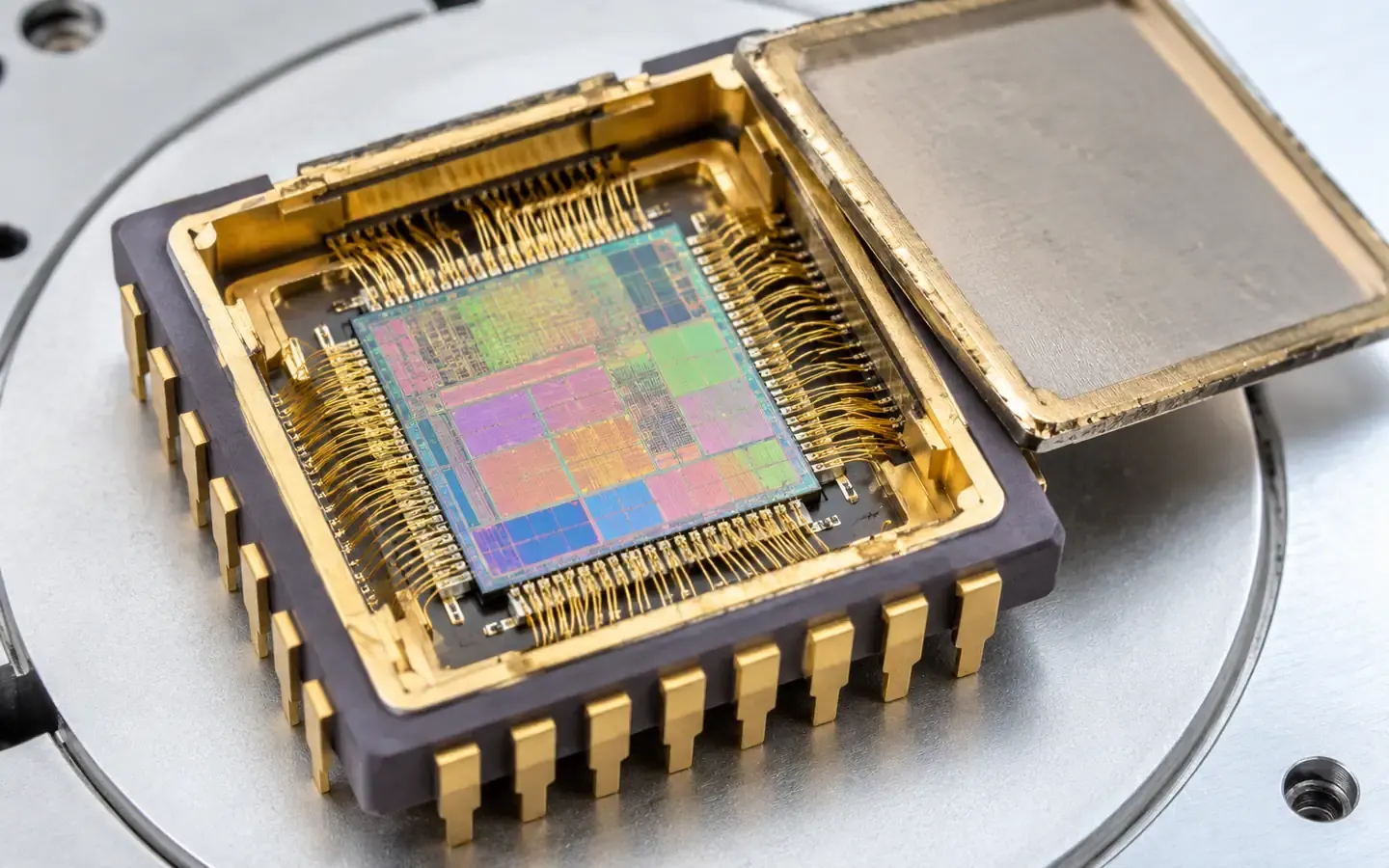 Starter
What Is Inside a Microchip?
Explore the semiconductor base, transistors and chip package, and see how these parts form a component used in electronic devices.
5 min read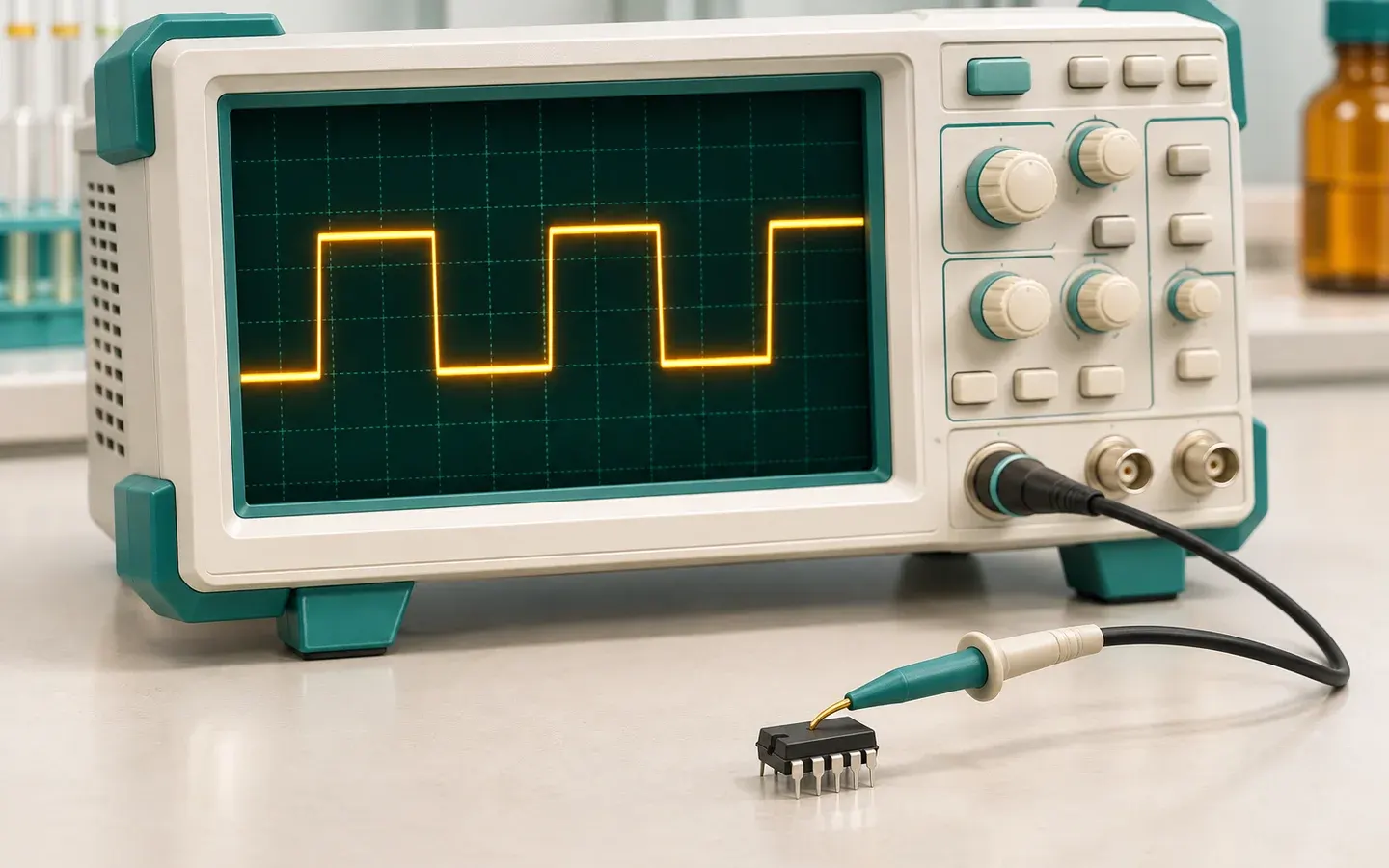 Starter
How Do Voltage Levels Represent Digital Signals?
See how chips read HIGH and LOW from voltage, how logic families set thresholds, and how a transistor switch flips a level.
5 min read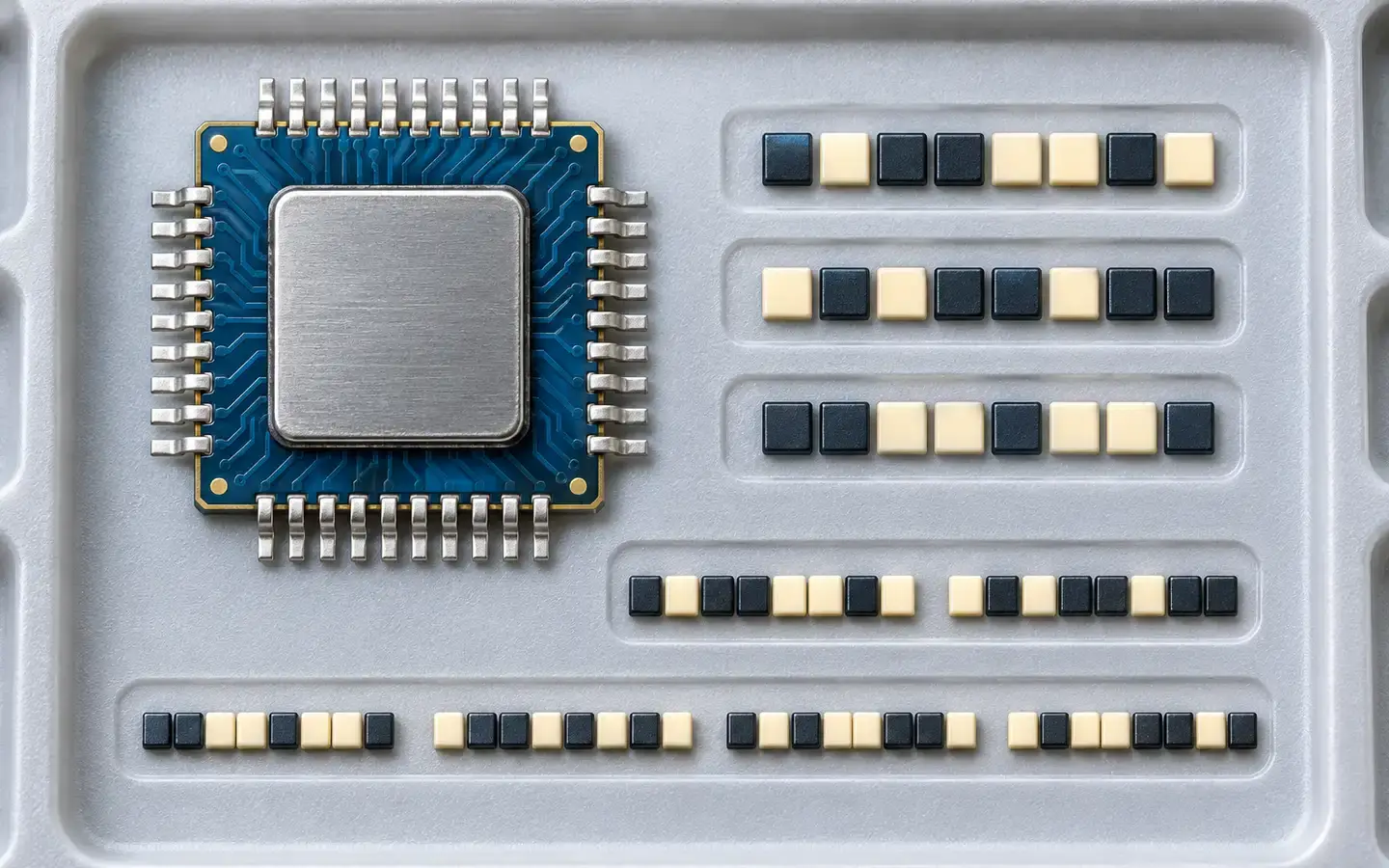 Starter
How Do Bits, Bytes and Machine Words Differ?
Compare bits, nibbles, bytes and machine words by length, and understand why a byte has a fixed size while word length depends on the design.
5 min read


Sources
These sources are written for older readers. If they feel hard, read them with an adult.
- What Is a System-On-A-Chip? (phoenixNAP)(opens in a new tab)
phoenixNAPTier C: other sourcesRead on November 6, 2026
- System on a Chip (SoC) (Hilscher)(opens in a new tab)
HilscherTier C: other sourcesRead on November 6, 2026
- System on a Chip Explained (JLCPCB)(opens in a new tab)
JLCPCBTier C: other sourcesRead on November 6, 2026