

What Is a Robot?
- Starter
- Article
- Ages 10+
- 4 min read

A robot is a machine that can be used to do jobs. Some robots work by themselves, while others must always have a person telling them what to do. NASA describes its space-station robotic arms, robotic spacecraft that explore other worlds, and robotic airplanes without a pilot aboard. The study of robots is called robotics.
Contents
- Robotic arm
- Wheeled rover
- Aircraft with no pilot
What you will learn
- Say what a robot is in your own words.
- Name a few jobs that robots do for people.
- Tell apart robots that work by themselves from robots that people control.
Before you start
No prior knowledge needed. It is enough to know that machines are things that help us work.
What jobs do robots do?
Robots do jobs that people give them. For example, NASA uses robotic arms to move large objects in space.
NASA describes robotic spacecraft that explore other worlds, such as the moon or Mars. Robotic airplanes can fly without a pilot aboard.
Scout robots can take photographs and measure the terrain, which helps scientists plan their exploration better.
- Robotic arm holding an object
- The object moved to a new place
- Scout robot with a camera
Do robots work alone or need a person?
Both kinds exist. Some robots can do work by themselves, and others must always have a person telling them what to do.
Some robots that explore other worlds are autonomous, meaning they can do some work by themselves. People send them commands, and they then follow those commands.
NASA describes space-station robotic arms operated by an astronaut or someone in Mission Control.
- A person giving commands
- A robot controlled by a person
- A robot working by itself
Aircraft without a pilot come in both kinds too. Some are flown by remote control by pilots on the ground, while others can fly themselves with only simple directions. They can study dangerous places without risking human life.
How does a robot that looks like a person work?
A humanoid robot is built to look like a person. NASA's Robonaut is one example.
Cameras in Robonaut's head provide vision. Its software helps it figure out how to do a simple task given by its controllers.
Robonaut can also be operated by remote control. An operator uses a headset to see what it sees through its cameras.
- Head with cameras
- Robot torso
- Hand
- Operator's headset
Real-world example
Think of playing a video game. To move the robotic arm on the space station, the astronaut uses controllers that look like the joysticks used to play video games.
NASA says Robonaut R2 does not get tired or bored. That describes R2; it does not mean every robot can work indefinitely without energy or maintenance.
Common misunderstandings
Every robot looks like a person. Only humanoid robots are built that way. Robotic arms, spacecraft and aircraft without a pilot are robots even though they look very different.
Every robot decides everything by itself. Some robots need a person to control them, like the space-station arms in NASA’s example.
Frequently asked questions
What is robotics?
Robotics is the study of robots.
Do robots get tired?
NASA says Robonaut R2 does not get tired or bored. This does not mean every robot can work continuously without energy or maintenance.
Does NASA call an airplane without a pilot aboard robotic?
Yes. NASA describes robotic airplanes that can fly without a pilot aboard.
Summary
- A robot is a machine that can be used to do jobs, such as moving large objects, exploring other worlds or photographing terrain.
- Some robots can work by themselves, while others must always have a person telling them what to do.
- A humanoid robot like Robonaut is built to look like a person, has cameras for vision and can figure out how to do a simple task or be operated by remote control.
Terms in this article
English and Vietnamese terms, with the meanings used here. Hover, tap or Tab to a term with a dotted underline for an explanation as you read.
- Robot
- A machine that can do work, either on its own or under human control.
- RoboticsRobot học
- The study of robots.
- Robotic armCánh tay robot
- An arm-shaped robotic mechanism used to move or handle objects.
- AutonomousTự chủ
- Able to carry out work without a person directing every step.
- Humanoid robotRobot hình người
- A robot built to have a human-like shape.
- Remote controlĐiều khiển từ xa
- Controlling a machine through commands sent from another location.
- Unmanned aerial vehicleMáy bay không người lái
- An aircraft without a pilot aboard; NASA describes some as remotely flown and others as flying themselves with simple directions.
- Scout robotRobot thám thính
- A robot taking pictures or measuring terrain to support exploration.
This article is not marked as viewed
Spotted something wrong or unsafe?
Tell the administrator by email. The message already has the article title and address.
More in this topic
 Starter
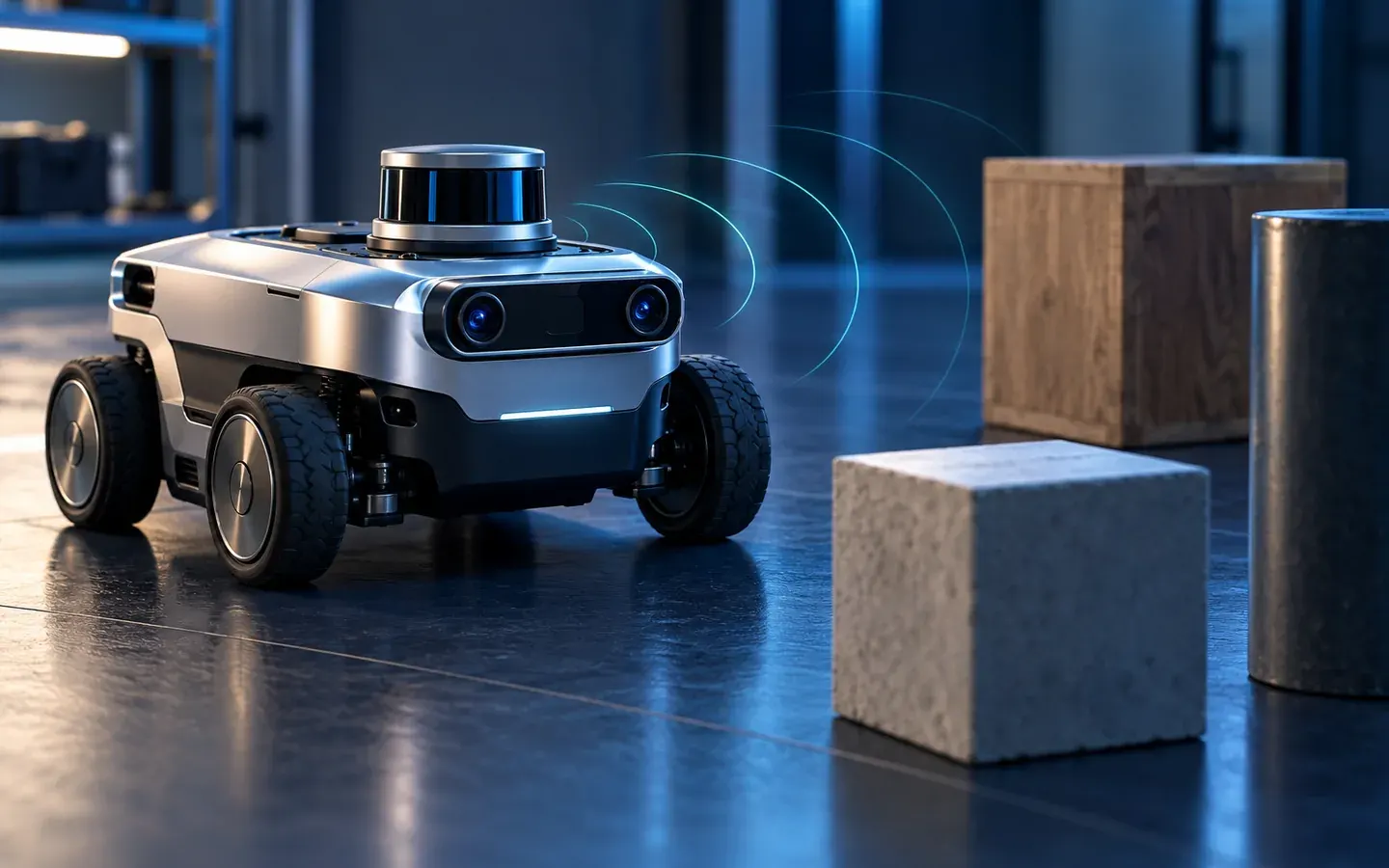
How Do Robots Use Sensors to Understand Their Surroundings?
Robots sense the world around them with sensors such as cameras, lasers and touch sensors. This article explains what each kind does, for beginners.
4 min read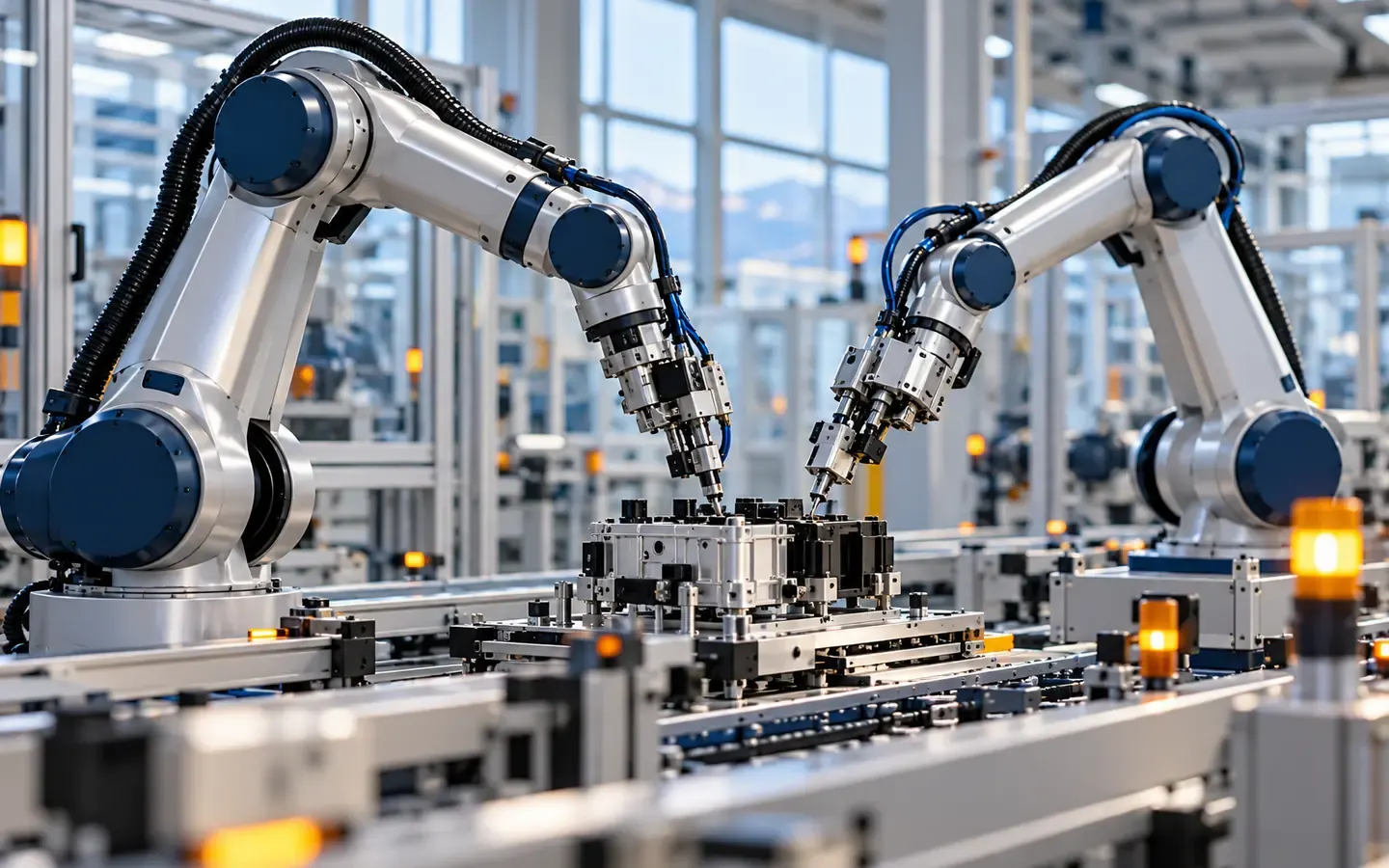 Starter
Where Do We Encounter Industrial Robots?
Where industrial robots work and what jobs they do, from large factories to small workshops. A starter article for complete beginners.
4 min read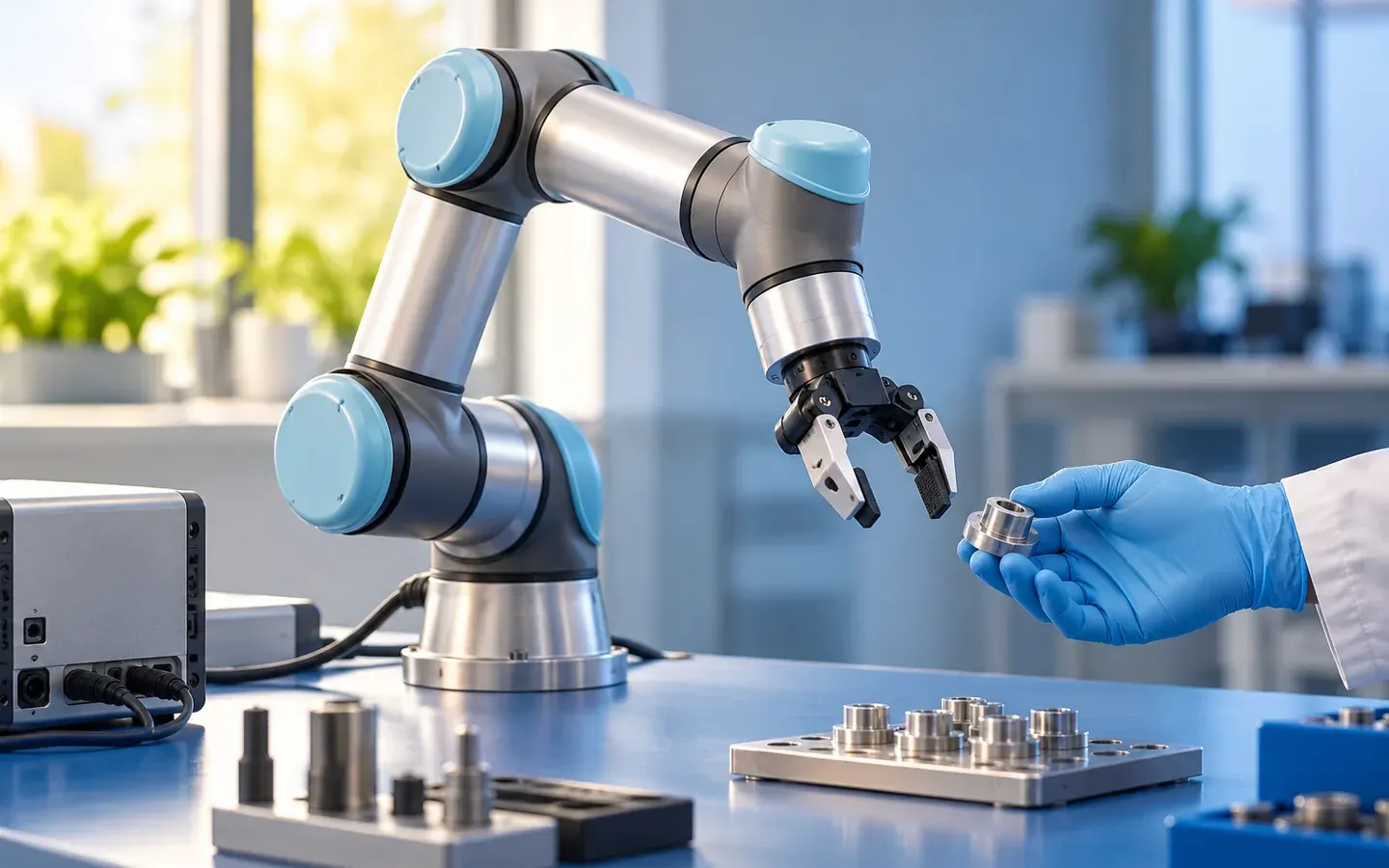 Starter
What Are the Main Parts of a Collaborative Robot?
What the arm, joints, sensors, controller and end tool of a collaborative robot each do. A starter article that names these parts for beginners.
3 min read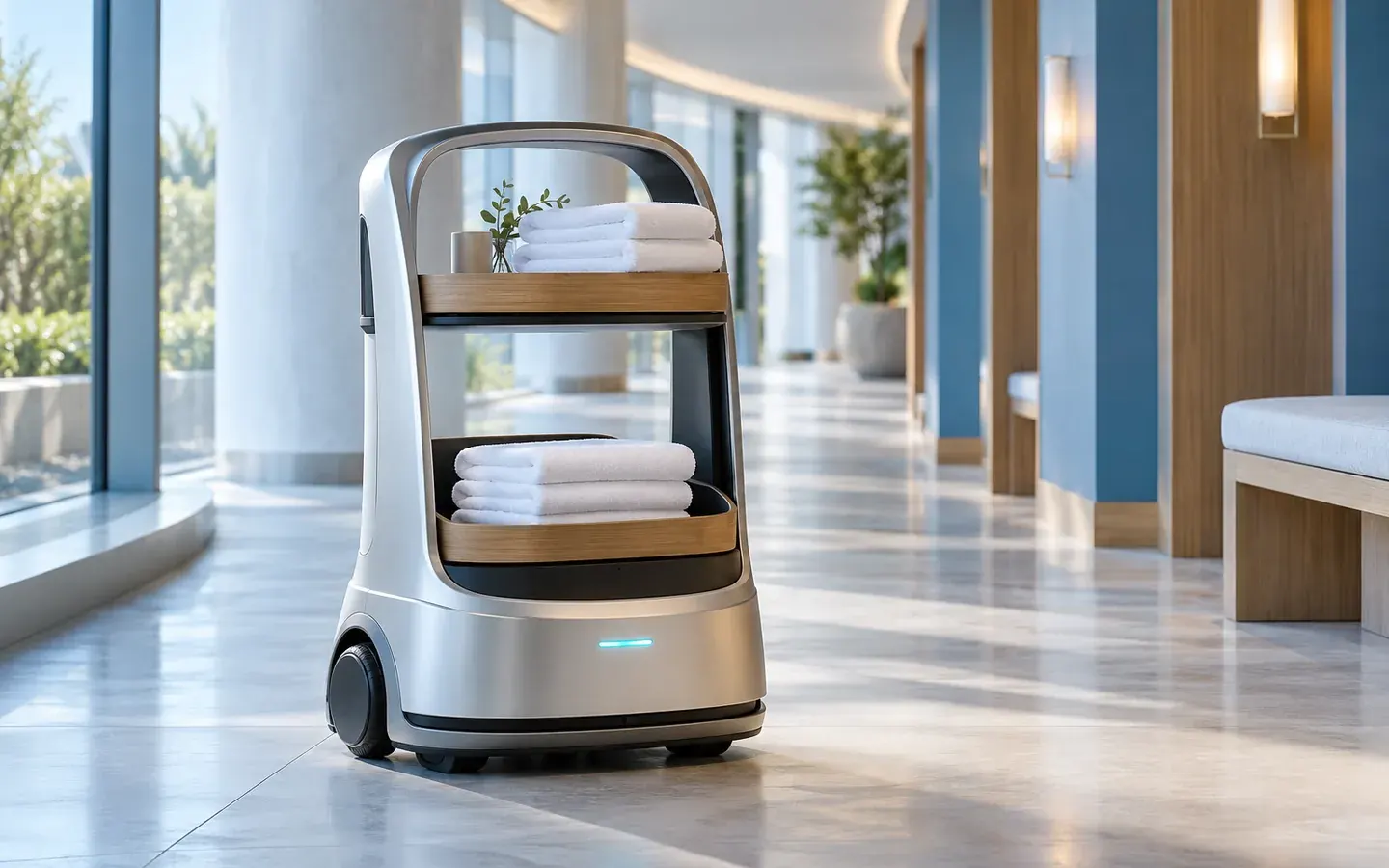 Starter
Why Do Service Robots Matter?
Service robots do useful tasks for people at home, in hospitals and even in space. This article shows beginners why they are worth understanding.
4 min read


Sources
These sources are written for older readers. If they feel hard, read them with an adult.
- What Is Robotics? (Grades 5-8)(opens in a new tab)
NASATier A: government, standards or research bodiesRead on October 28, 2026
- What Is Robotics? (Grades K-4)(opens in a new tab)
NASATier A: government, standards or research bodiesRead on October 28, 2026
- What Is Robonaut? (Grades 5-8)(opens in a new tab)
NASATier A: government, standards or research bodiesRead on October 28, 2026