

What Are Semiconductors?
- Starter
- Article
- Ages 10+
- 5 min read

A semiconductor is a material that can act as either a conductor or an insulator of electricity, depending on small changes in voltage. That adjustability lets it form the very small electrical switches inside chips. Silicon is the most familiar example, and germanium is also a semiconductor.
Contents
What you will learn
- Explain why a semiconductor sits between a conductor and an insulator.
- Describe how doping changes electrical conduction.
- Separate the semiconductor material from the components and circuits made from it.
Before you start
No specialist background is needed; technical terms are explained as they appear.
What makes a semiconductor useful?
Conductors let current through, and insulators resist it. A semiconductor has properties of both. Under some conditions it conducts, and under others it resists. Its conductance, the ease or difficulty with which current flows, varies with current and voltage.
That is why most modern technology uses semiconductors as tiny electrical switches, turning off and on repeatedly to allow or block the flow of electricity. Semiconductors also suit chips, which need to pass a large amount of power through a small area.
Most semiconductors are made of crystals. Silicon crystal is the most common example.
What does doping change?
Doping deliberately introduces impurity atoms into a semiconductor’s crystal lattice to change its electrical properties. This lets engineers make the material more or less conductive, as needed.
There are two kinds. N-type doping adds elements with more valence electrons than the host material. The number of free charge carriers goes up, and the material conducts better than before. P-type doping adds elements with fewer valence electrons, creating a “hole”, a place where an electron is missing. Holes also make the material more conductive.
A semiconductor made of a single pure material that has not been manipulated is called intrinsic. A doped semiconductor is called extrinsic.
How do semiconductors lead to transistors and chips?
The transistor is the most popular semiconductor device. It is a simple switch that turns on or off with voltage, and it can also serve as an amplifier or a rectifier. Many transistors combined create complex devices.
An integrated circuit combines many transistors into a small circuit. A chip contains the semiconductor surface and integrated circuit, packaged for use in a device.
Each word answers a different question. “Semiconductor” names a kind of material. “Transistor” names a component. “Integrated circuit” names a miniature circuit. “Chip” names the packaged component. Keeping them apart makes electronics writing easier to follow, because raw material is not confused with product.
Real-world example
Suppose you must explain an electronic device to a class. Draw three boxes: material, component and circuit. Put silicon in the material box, the transistor in the component box and the integrated circuit in the circuit box. Join the boxes with two relationships: “is used to make” and “is combined into”.
If someone asks “Is a semiconductor a phone?”, the diagram answers it. A phone is a device that uses many components. A semiconductor is the kind of material those components are made from.
Try one more question: how is a transistor’s material adjusted to conduct more? The answer is N-type or P-type doping, and you can retell each kind in your own words.
Common misunderstandings
Semiconductors are more than silicon. Germanium is a semiconductor too. Radio-frequency circuits combine gallium arsenide, gallium nitride and silicon.
Doping is a deliberate change made during manufacturing. A layer of dust on a chip package is not doping.
“Semiconductor” names a kind of material. The name does not tell you what a component made from it will do.
Frequently asked questions
Is silicon the only semiconductor?
No. Germanium is also a semiconductor, and many circuits add gallium arsenide or gallium nitride.
How do N-type and P-type doping differ?
N-type adds elements with more valence electrons, raising the number of free charge carriers. P-type adds elements with fewer valence electrons, creating holes.
Why are semiconductors used as switches?
A semiconductor’s conductance varies with voltage, so it can be used to switch current on or off.
How does a transistor differ from a chip?
A transistor is one component. A chip holds an integrated circuit of many components and is packaged for use.
Summary
- A semiconductor conducts or resists depending on conditions, so it can make switches.
- N-type or P-type doping deliberately changes a crystal’s electrical properties.
- Material, transistor, integrated circuit and chip are different levels.
Terms in this article
English and Vietnamese terms, with the meanings used here. Hover, tap or Tab to a term with a dotted underline for an explanation as you read.
- semiconductorbán dẫn
- A material that can conduct or resist electricity depending on conditions.
- dopingpha tạp
- Deliberately introducing impurity atoms into a crystal to change electrical properties.
- integrated circuitvi mạch
- A small circuit combining many transistors on a chip.
- chip
- A self-contained piece with a semiconductor surface and integrated circuit, packaged for use.
- transistor
- A simple switch made from semiconductor material that turns on or off with voltage.
This article is not marked as viewed
Spotted something wrong or unsafe?
Tell the administrator by email. The message already has the article title and address.
More in this topic
 Starter
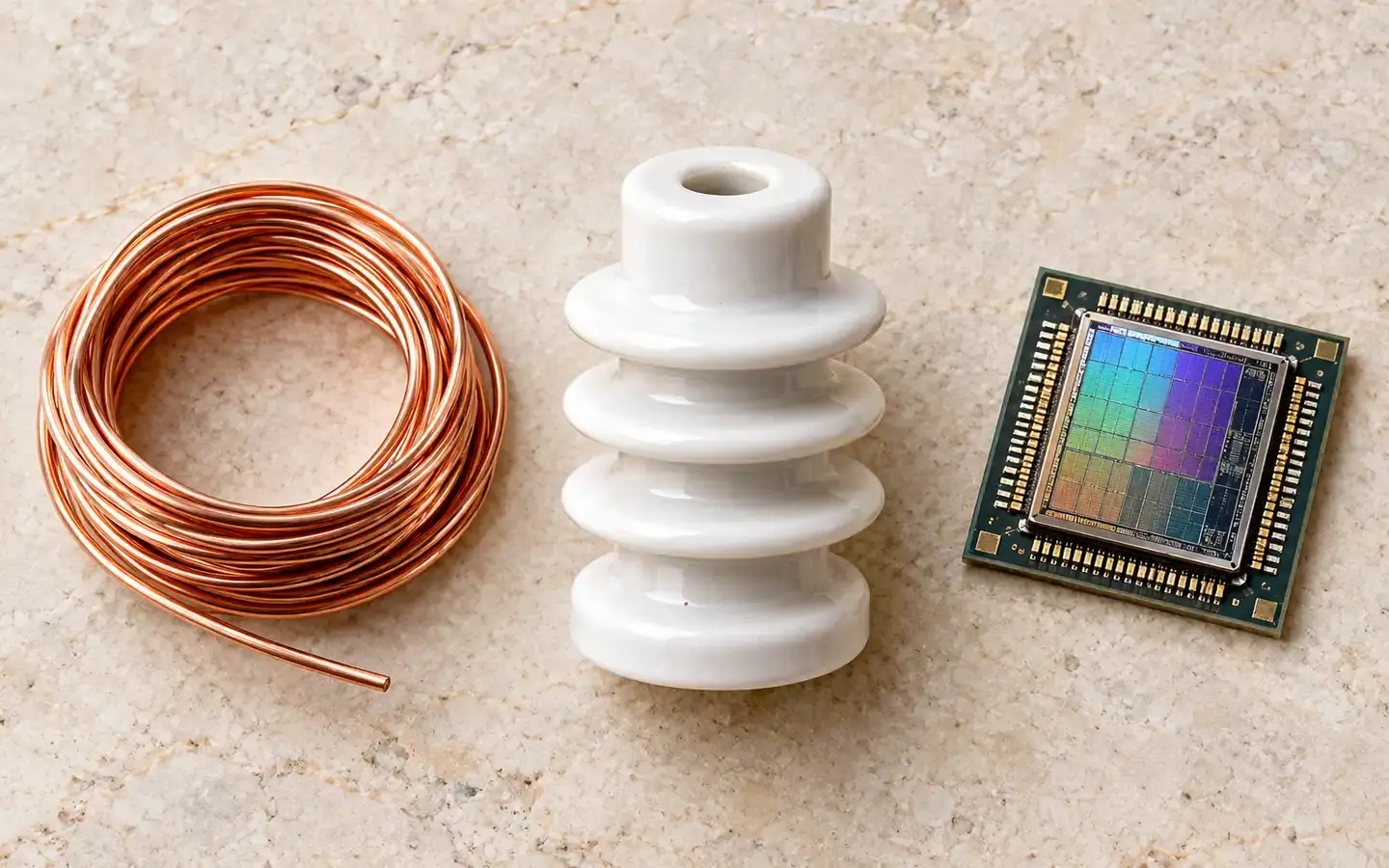
How Do Conductors, Insulators, and Semiconductors Differ?
Compare conduction and the roles of conductors, insulators and semiconductors, and see why electronic components use different materials.
5 min read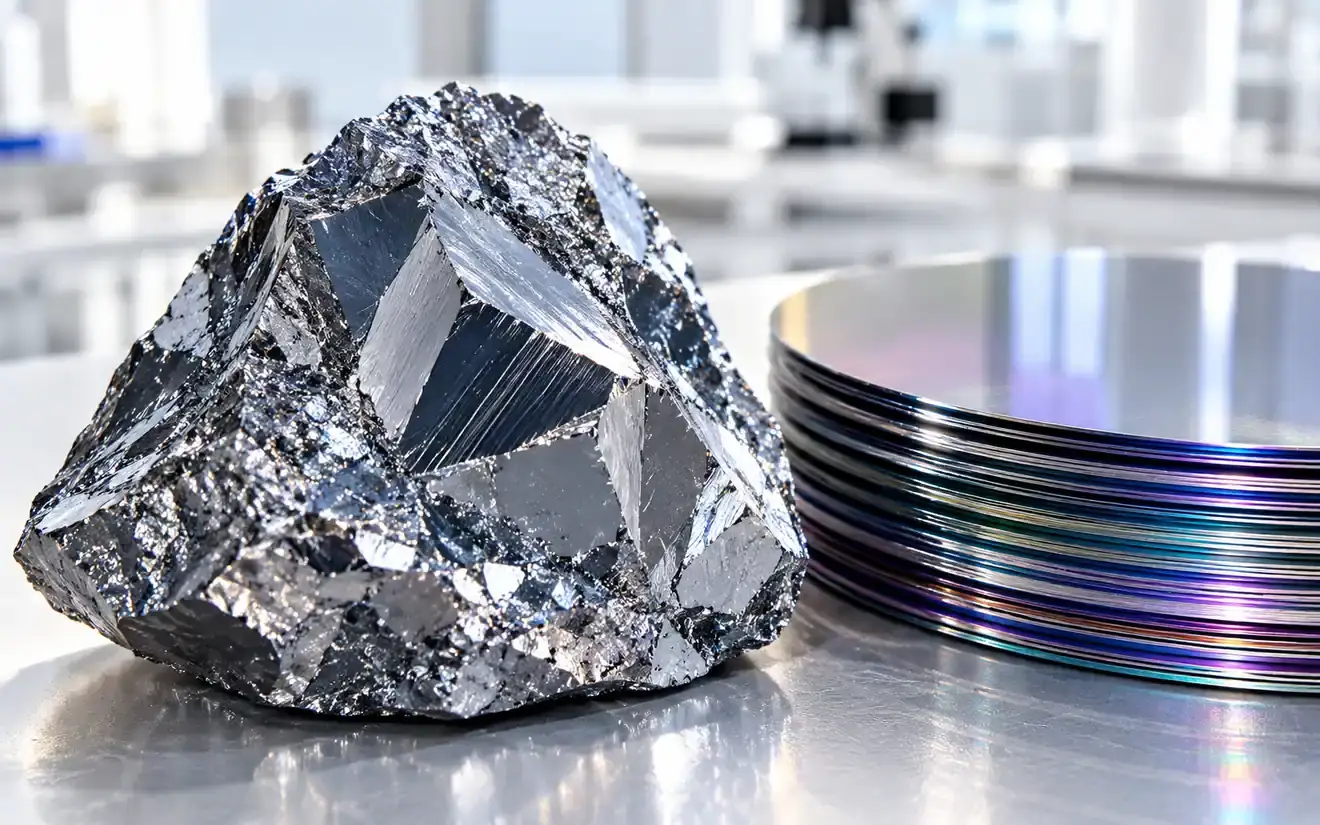 Basic
Why Is Silicon Used in Electronic Components?
Understand silicon’s use in electronics through its availability, adjustable electrical properties and suitability for making wafers.
5 min read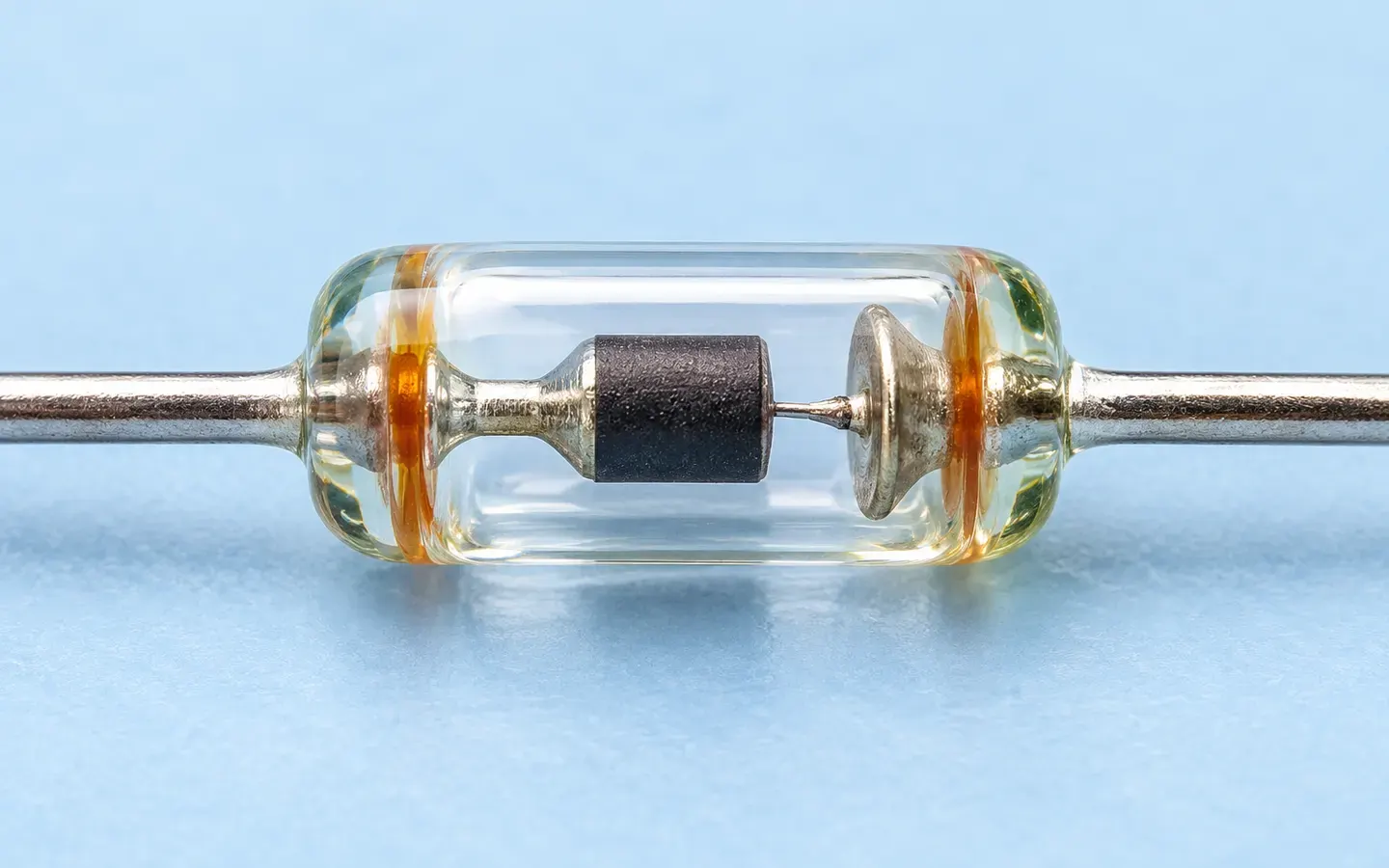 Basic
How Does a P-N Junction Work?
Understand diffusion, depletion and the p-n junction field; compare forward and reverse bias through carrier motion without building a circuit.
3 min read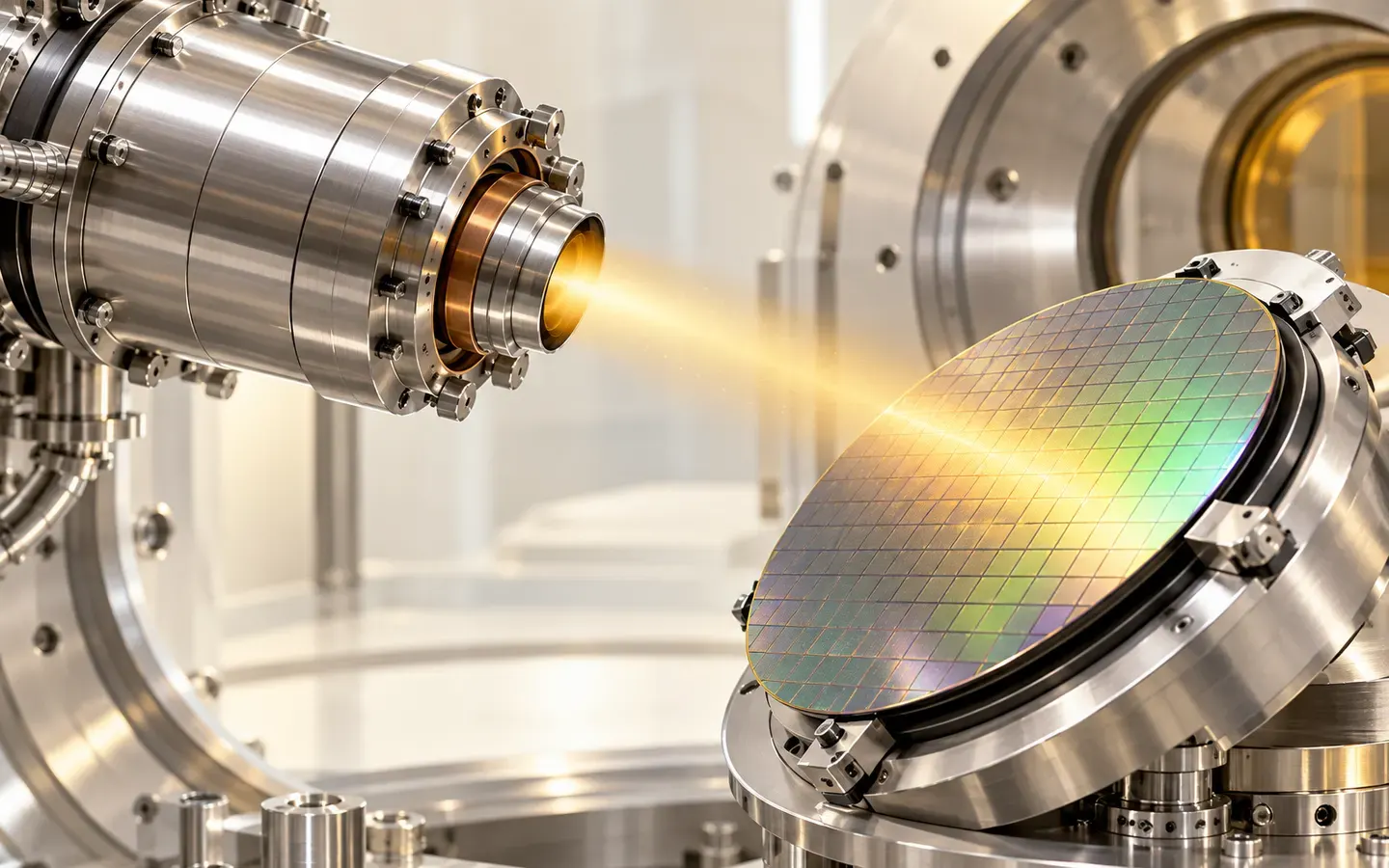 Intermediate
How Does Doping Change a Semiconductor?
Explain how intentional doping changes semiconductor carriers; compare n-type and p-type material and distinguish a hole from an empty atomic site.
3 min read


Sources
These sources are written for older readers. If they feel hard, read them with an adult.
- What is a semiconductor?(opens in a new tab)
IBMTier B: vendor documentationRead on October 31, 2026
- Semiconductor Glossary(opens in a new tab)
NISTTier A: government, standards or research bodiesRead on October 31, 2026