

How Do Degraded Wetlands Recover?
- Basic
- Article
- Ages 12+
- 3 min read

Wetlands recover when the conditions supporting them are restored, especially their water regime. Planting may be part of the work, but new plants alone cannot restore functions while degradation pressures remain.
Contents
What you will learn
- Explain why ongoing causes must be addressed.
- Connect water regimes, vegetation and habitat.
- Distinguish passive restoration from neglect.
Before you start
Read the linked prerequisite first. This article explains principles and does not require assembling or opening equipment.
Find the altered conditions
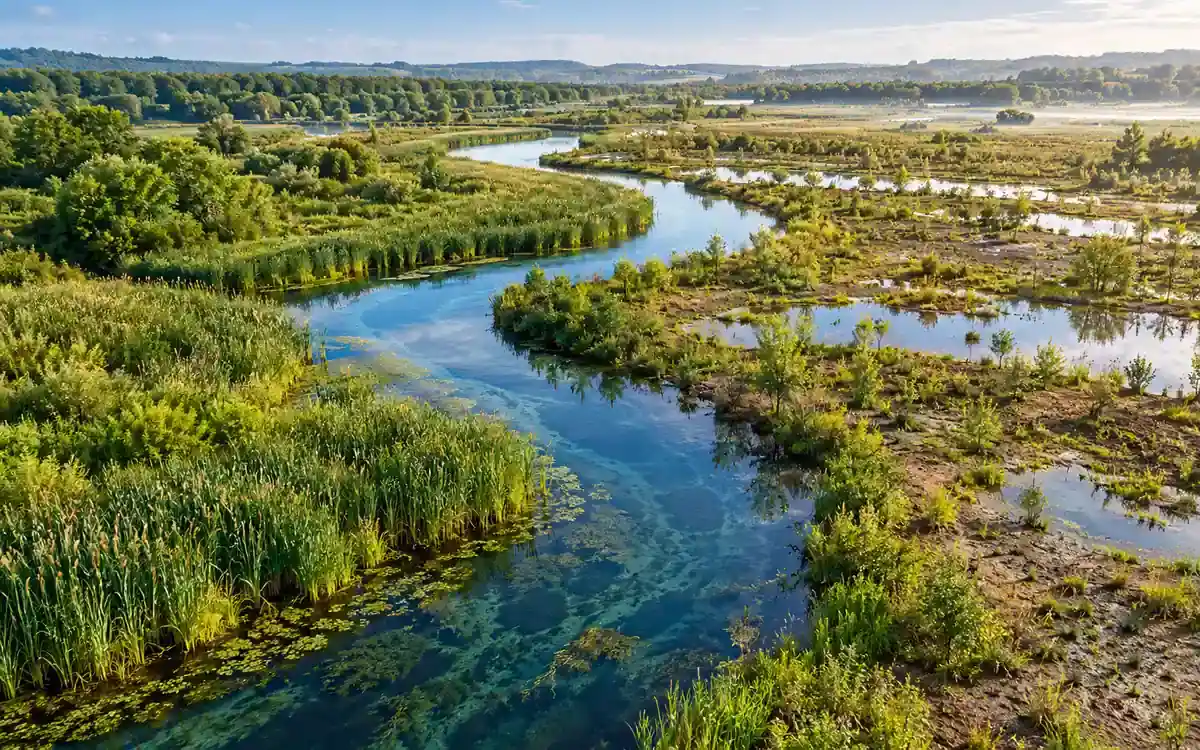
Drainage ditches, altered channels or disconnection from nearby ecosystems can change wetland structure and function. First identify which changes continue to drive degradation.
Consider the watershed rather than only the planting area. An ongoing pressure can prevent a local intervention from meeting its goals.
- Shallow-water zone
- Wetland vegetation
Restore water conditions before merely counting plants
Restoring appropriate elevation and hydrology can reestablish natural functions. At some drained sites, restoring the water regime may allow native vegetation to return over time.
This does not mean adding more water is always better. The target is a regime fitting the ecosystem, including how water arrives, remains and leaves. Site feasibility matters.
Monitor and adapt rather than inspect appearance alone
Passive restoration reduces or removes degradation sources and allows natural processes to work when appropriate. It still requires assessing recovery potential and monitoring outcomes.
Set measurable goals, use a comparable reference site and observe before, during and after intervention. If desired functions do not return, revisit causes and adapt rather than simply adding plants.
A worked example
Consider a hypothetical wetland dried by drainage. Map cause → water regime → vegetation → habitat function. Before choosing planting, ask whether drainage still dries the site. After a professionally designed intervention, monitor water and vegetation rather than using a greener photograph as the only evidence.
Frequently asked questions
Is passive restoration doing nothing?
No. It includes deliberate pressure reduction, feasibility assessment and monitoring.
Does finishing planting mean recovery is complete?
Not necessarily; examine functions and actual goals.
Summary
- Address degradation causes.
- Appropriate hydrology supports functional recovery.
- Monitoring reveals whether adaptation is needed.
Terms in this article
English and Vietnamese terms, with the meanings used here. Hover, tap or Tab to a term with a dotted underline for an explanation as you read.
- water regimechế độ nước
- The pattern of water arriving, remaining and leaving over time.
This article is not marked as viewed
Spotted something wrong or unsafe?
Tell the administrator by email. The message already has the article title and address.
More in this topic
 Basic
How Does Restoration Differ from Conservation?
Compare protecting intact ecosystems with assisting degraded systems, using a wetland example to connect goals, actions and evidence of recovery.
7 min read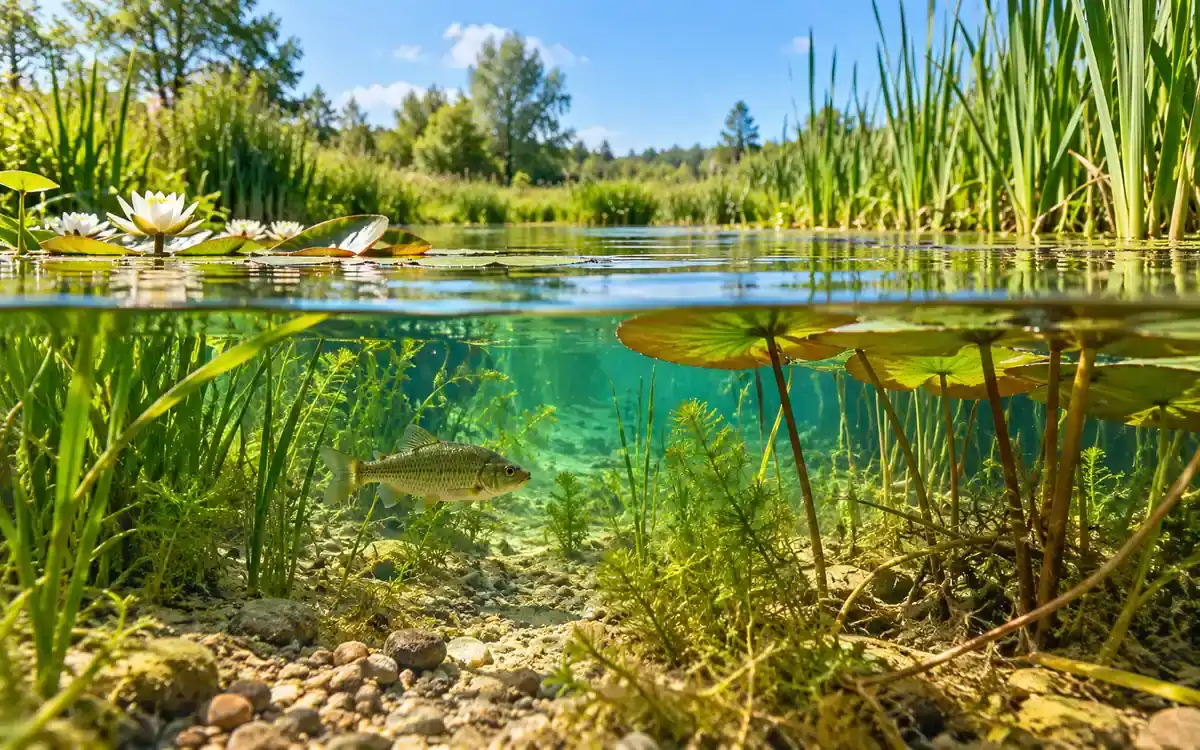 Starter
What Is an Ecosystem?
Explore ecosystems through organisms, water, soil and air, following a nutrient change to understand connections among their parts.
5 min read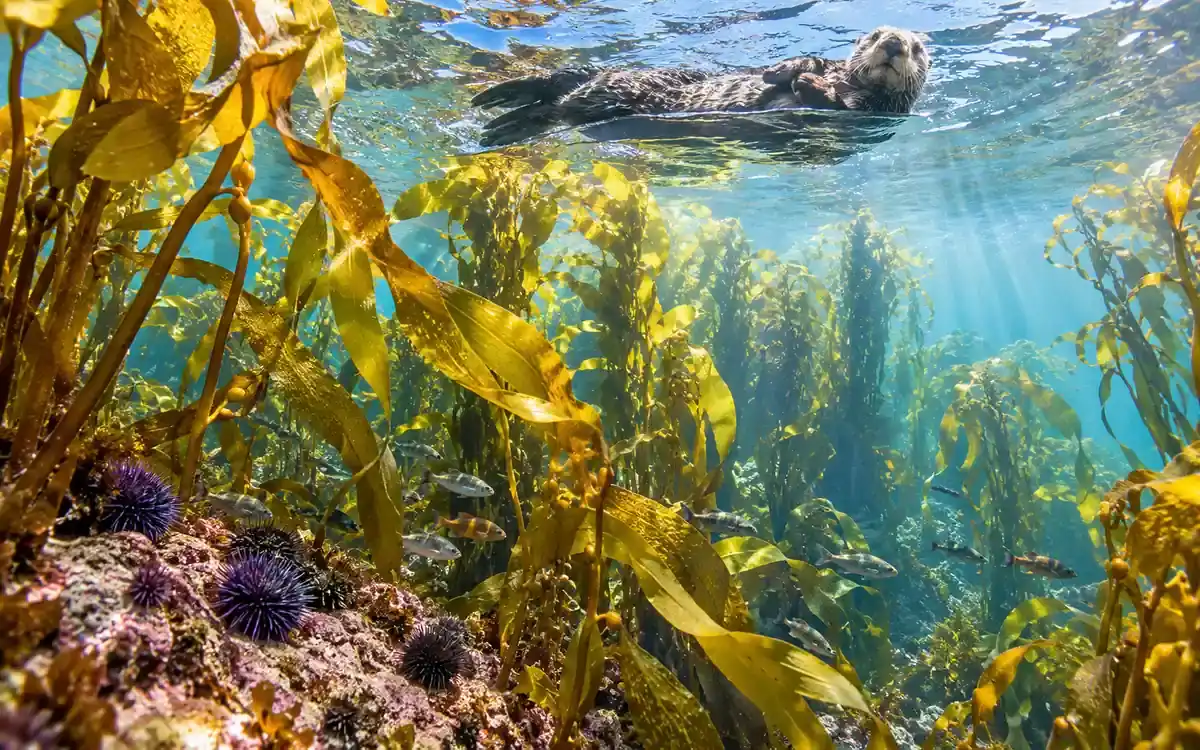 Starter
What Role Does Biodiversity Play?
Explore biodiversity’s roles in food webs, resilience and human life through the linked example of sea otters, sea urchins and kelp forests.
5 min read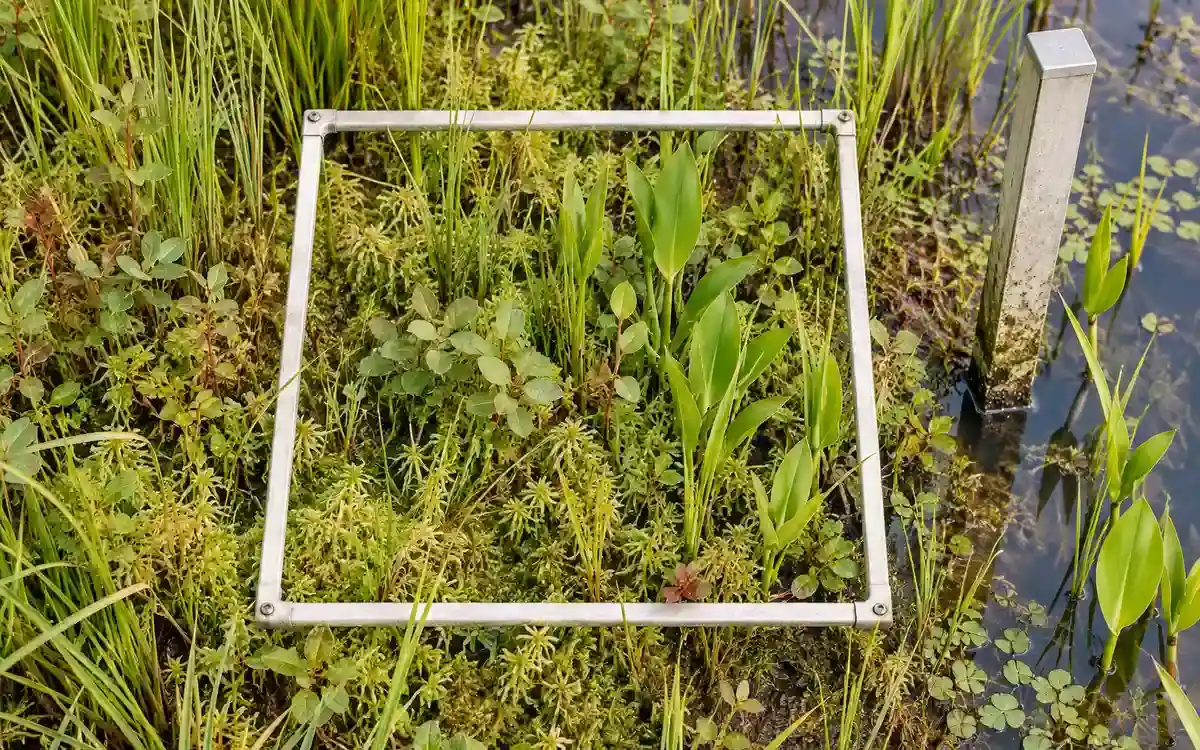 Intermediate
How Do We Measure Ecosystem Recovery?
Set goals, select indicators, record a baseline and compare a reference site; use monitoring results to adapt rather than conclude from a green photograph.
3 min read


Sources
These sources are written for older readers. If they feel hard, read them with an adult.
- Principles of Wetland Restoration(opens in a new tab)
US EPATier A: government, standards or research bodiesRead on October 31, 2026