

How Do We Measure Ecosystem Recovery?
- Intermediate
- Article
- Ages 12+
- 3 min read

Measuring recovery compares actual change with stated ecological goals. It needs an initial condition, repeated observations of relevant indicators and an appropriate reference; a planting count does not represent the whole ecosystem.
Contents
What you will learn
- Turn a broad goal into observable outcomes.
- Distinguish a baseline from a reference site.
- Use results to guide adaptation.
Before you start
Read the linked prerequisite first. This article explains principles and does not require assembling or opening equipment.
Choose indicators from goals rather than convenience
Goals should be clear, feasible and measurable. A hydrology goal calls for water-related observations; a native-community goal calls for vegetation observations. These illustrate goal-led choices rather than a mandatory indicator set for every site.
Counting planted seedlings records an activity, but does not alone establish functional recovery. Separate completed work from ecological outcomes.
- Left — baseline condition
- Centre — reference site
- Right — monitoring observation
How do baseline and reference differ?
A baseline records the restoration site before intervention. A reference is a comparable, relatively healthy system used as a model and yardstick. Sites are not identical, so relevant differences must be recorded.
A single later observation without a baseline makes change hard to interpret. Reference comparison also should not demand identical detail between ecosystems.
Monitor to learn and adapt
Monitoring before, during and after a project shows whether goals are being met. Plans must fit costs and available technology while providing goal-relevant information.
When observations depart from the target, revisit causes, intervention and outside conditions. Adaptive management uses the information to change course rather than merely accumulate reports.
A worked example
For a hypothetical wetland project, make columns for goal, indicator, baseline, reference and next observation. If plants look greener but water conditions still miss the goal, record mixed evidence and revisit causes. Do not present the example’s imagined observations as measured results.
Frequently asked questions
Can one index prove recovery in every ecosystem?
No universal index is claimed here; indicators must fit goals and context.
Are unexpected data useless?
No. They can inform adaptation.
Summary
- Goals guide indicators.
- Baselines and references have different roles.
- Monitoring should support the next decision.
Terms in this article
English and Vietnamese terms, with the meanings used here. Hover, tap or Tab to a term with a dotted underline for an explanation as you read.
- reference sitenơi tham chiếu
- A comparable system serving as a restoration model and yardstick.
This article is not marked as viewed
Spotted something wrong or unsafe?
Tell the administrator by email. The message already has the article title and address.
More in this topic
 Intermediate
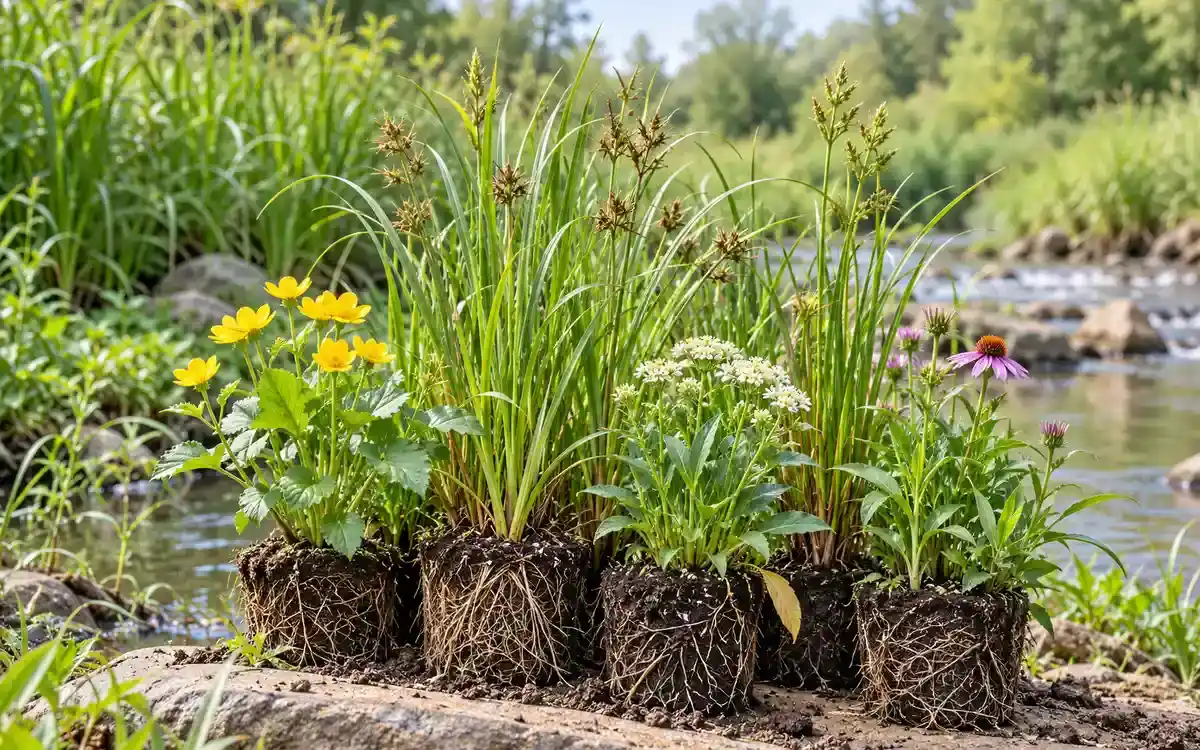
Why Use Native Plants in Restoration?
Understand native-community recovery through habitat conditions, natural regeneration and invasive-species control, beyond green or fast-growing cover.
3 min read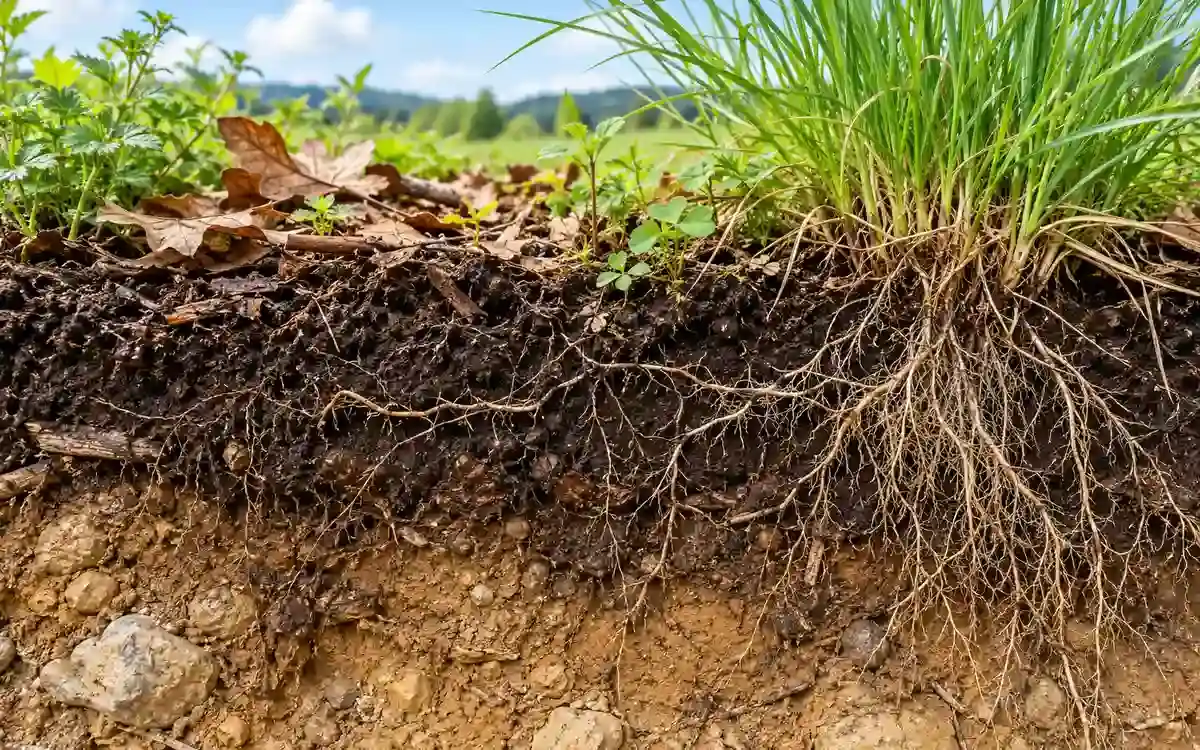 Intermediate
How Does Healthy Soil Support Ecosystem Recovery?
Trace soil roles in water, roots and nutrients; learn why reduced disturbance, cover and organic matter support ecosystem recovery.
3 min read Starter
What Is an Ecosystem?
Explore ecosystems through organisms, water, soil and air, following a nutrient change to understand connections among their parts.
5 min read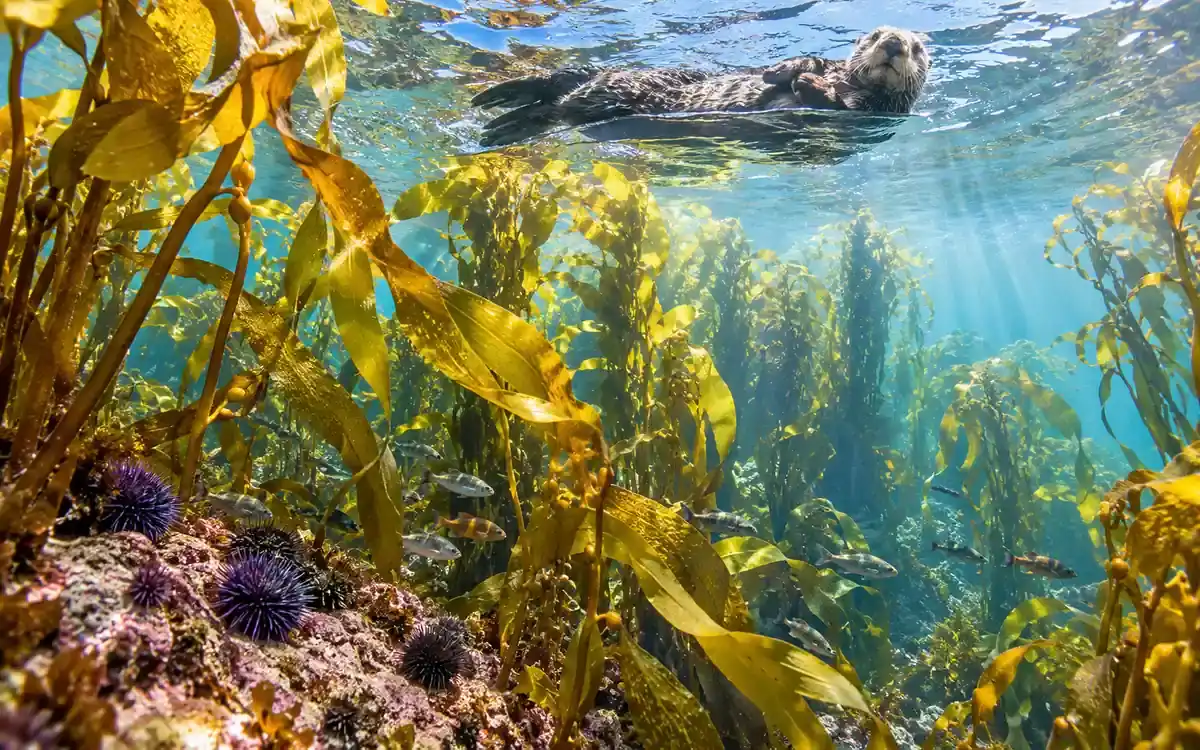 Starter
What Role Does Biodiversity Play?
Explore biodiversity’s roles in food webs, resilience and human life through the linked example of sea otters, sea urchins and kelp forests.
5 min read


Sources
These sources are written for older readers. If they feel hard, read them with an adult.
- Principles of Wetland Restoration(opens in a new tab)
US EPATier A: government, standards or research bodiesRead on October 31, 2026