

Why Use Native Plants in Restoration?
- Intermediate
- Article
- Ages 12+
- 3 min read

Restoration aims to recover native ecosystem relationships and functions, rather than merely add green cover. Native plants in a regionally appropriate community are part of that aim; their use goes with restoring habitat conditions and limiting invasive species.
Contents
What you will learn
- Distinguish greening from community restoration.
- Relate native plants to habitat conditions.
- Explain attention to invasives after disturbance.
Before you start
Read the linked prerequisite first. This article explains principles and does not require assembling or opening equipment.
What does native vegetation restore?
A restoration site belongs within a regional and watershed context. A native community and regional diversity form part of ecological integrity in EPA’s principles.
A uniform stand of rapidly growing plants therefore does not by itself establish recovery. Ask whether it fits the intended community and habitat functions.
- Illustrative diverse-community side
- Plants occupying a disturbed gap
Habitat conditions matter alongside species lists
At some drained wetlands, restoring hydrology may allow native vegetation to return naturally. Adding plants without suitable underlying conditions does not address the cause.
A comparable reference can guide target structure and functions, while site differences remain important. This article supplies no universal planting list.
Why monitor after intervention?
Project disturbance can create opportunities for invasive colonization. Many invasive species compete with natives and can undermine restoration goals.
Avoid introducing invasives and monitor afterward. Survival or extensive cover alone is not necessarily the desired outcome; compare community composition and function with the goal.
A worked example
For a hypothetical stream bank, compare covering it with one fast-growing species with recovering a regionally appropriate community. Ask about hydrology, reference communities and invasion risk before choosing. This practices assessment rather than prescribing a species or field-removal method.
Frequently asked questions
Are fast-growing plants always suitable?
Speed alone cannot establish suitability; consider goals and context.
Must native plants always be planted?
No. Some sites can recover vegetation naturally when conditions return.
Summary
- Community restoration differs from simple greening.
- Plants need suitable habitat conditions.
- Monitoring invasives supports restoration goals.
Terms in this article
English and Vietnamese terms, with the meanings used here. Hover, tap or Tab to a term with a dotted underline for an explanation as you read.
- native communityquần xã bản địa
- A community of native organisms within its regional ecological context.
This article is not marked as viewed
Spotted something wrong or unsafe?
Tell the administrator by email. The message already has the article title and address.
More in this topic
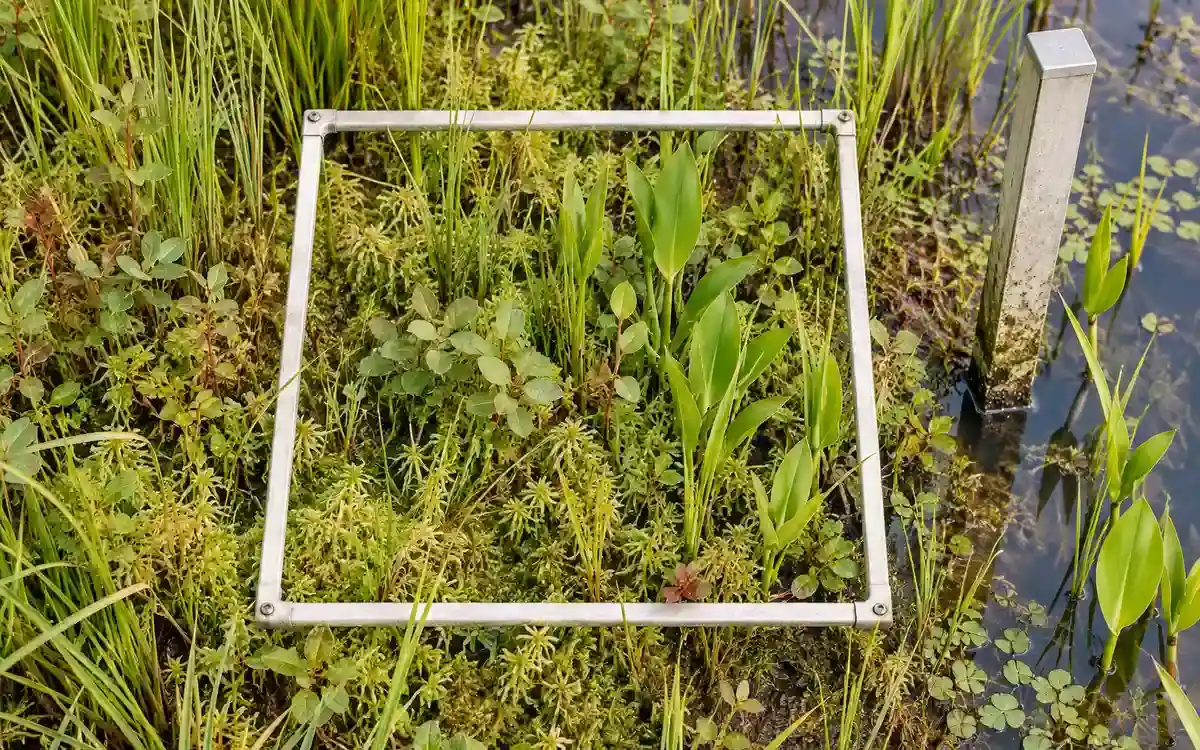 Intermediate
How Do We Measure Ecosystem Recovery?
Set goals, select indicators, record a baseline and compare a reference site; use monitoring results to adapt rather than conclude from a green photograph.
3 min read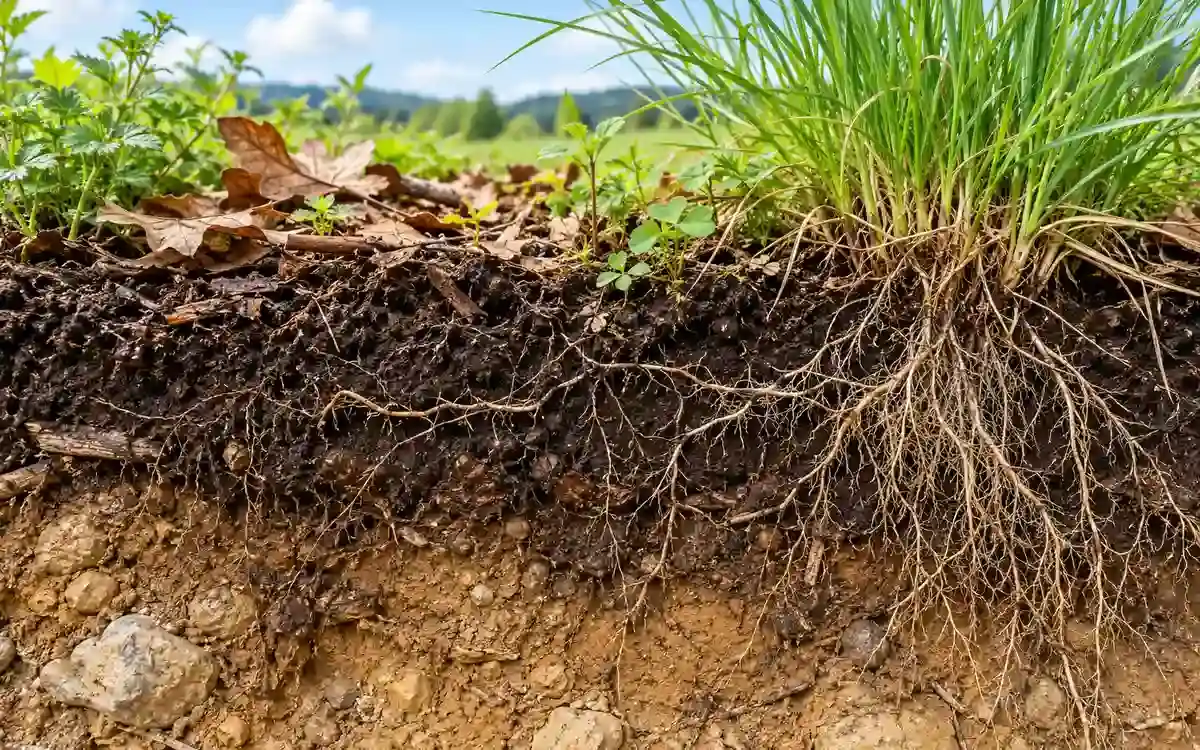 Intermediate
How Does Healthy Soil Support Ecosystem Recovery?
Trace soil roles in water, roots and nutrients; learn why reduced disturbance, cover and organic matter support ecosystem recovery.
3 min read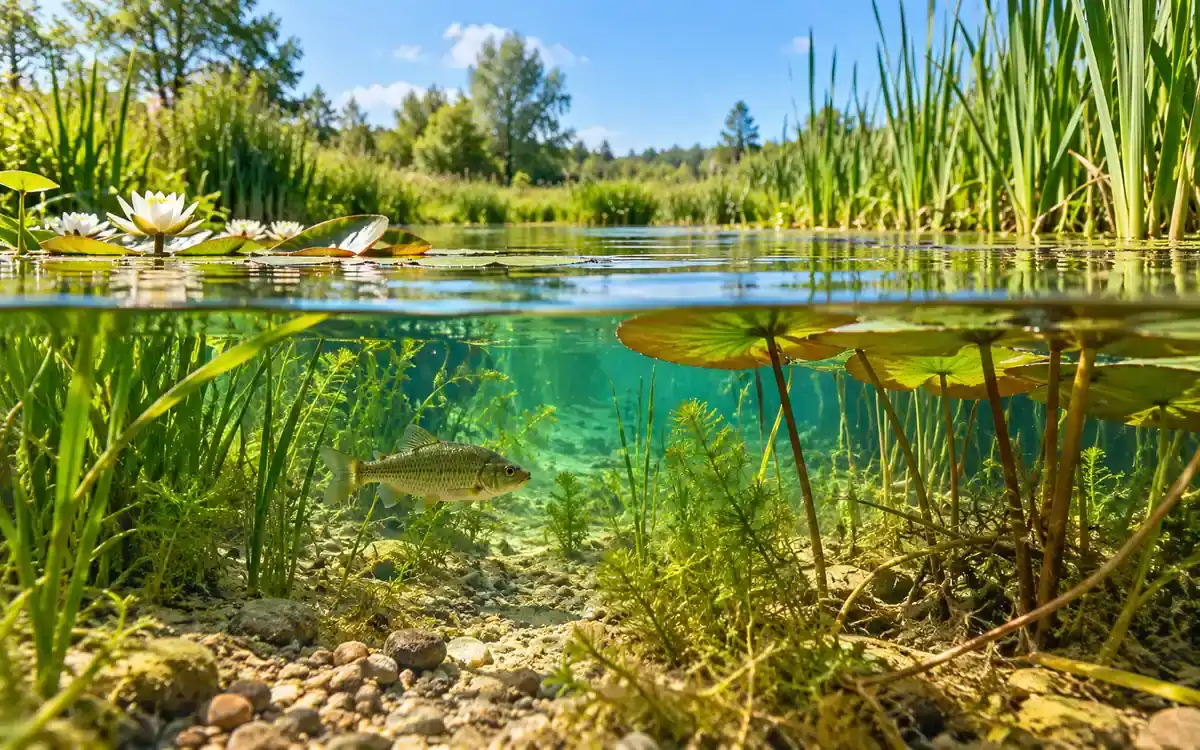 Starter
What Is an Ecosystem?
Explore ecosystems through organisms, water, soil and air, following a nutrient change to understand connections among their parts.
5 min read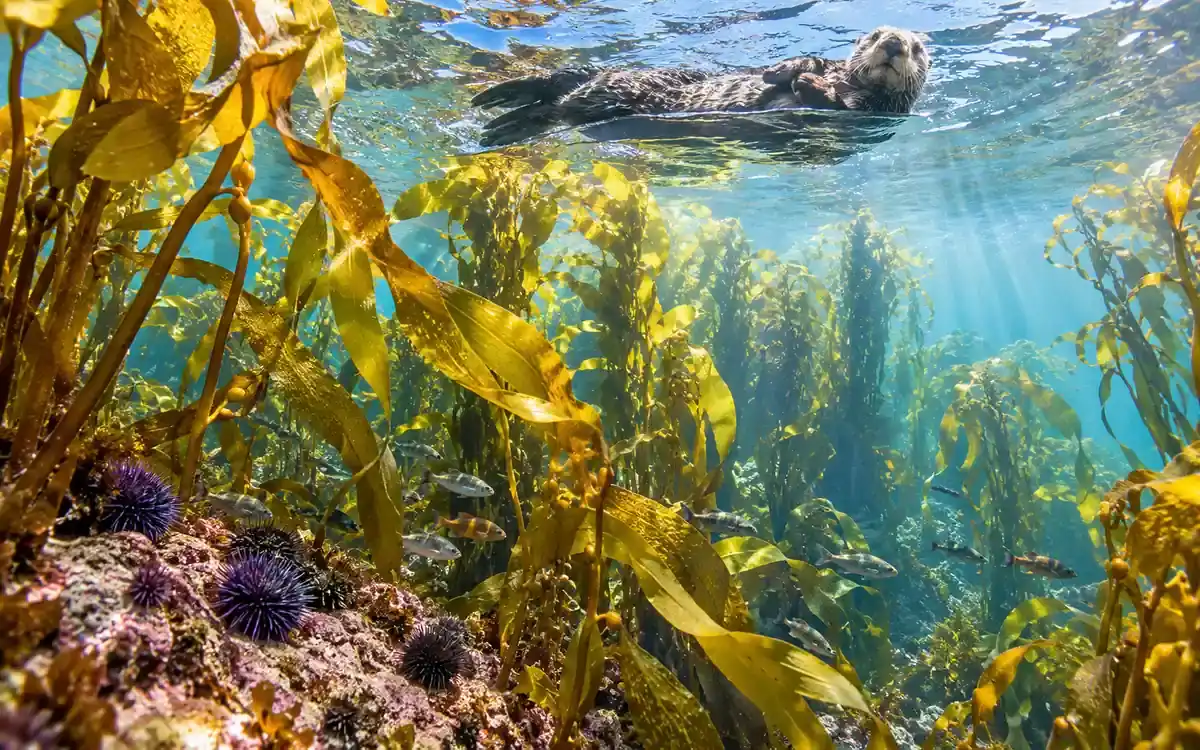 Starter
What Role Does Biodiversity Play?
Explore biodiversity’s roles in food webs, resilience and human life through the linked example of sea otters, sea urchins and kelp forests.
5 min read


Sources
These sources are written for older readers. If they feel hard, read them with an adult.
- Principles of Wetland Restoration(opens in a new tab)
US EPATier A: government, standards or research bodiesRead on October 31, 2026