

How Does Healthy Soil Support Ecosystem Recovery?
- Intermediate
- Article
- Ages 12+
- 3 min read

Soil is habitat and part of an ecosystem’s water and nutrient pathways. Restoring it means more than making the surface look fertile: physical, chemical and biological functions support plants and other organisms.
Contents
What you will learn
- Connect soil properties, water and organisms.
- Explain cover and living-root roles.
- Avoid turning one practice into a universal recipe.
Before you start
Read the linked prerequisite first. This article explains principles and does not require assembling or opening equipment.
Which functions connect soil to an ecosystem?
Healthy soil supports biological activity, water regulation and nutrient provision. These functions depend on physical, chemical and biological properties rather than appearance alone.
When vegetation struggles to return, ask about soil and water rather than only replacing plants. Recovery concerns conditions supporting roots and soil organisms.
- Soil layer
- Illustrative plant and roots
- Water entering soil
How do cover, roots and organic matter connect?
USDA identifies reduced disturbance, greater cover, diversity and living roots as soil-health principles. Cover reduces exposure to erosive forces, while living roots feed organisms involved in nutrient cycling.
Organic matter can improve infiltration and water retention. These connections explain why soil recovery can support vegetation rather than simply improve its appearance.
Assess functions rather than apply one recipe
Some soil properties change readily while others are more inherent. Management must fit context. These USDA sources mainly concern agricultural soils; their practices cannot automatically be transferred to every wetland or forest.
For restoration, connect an observed soil issue with a functional goal, then choose suitable action and monitoring. This article provides no amendment dose or contaminant-treatment instructions.
A worked example
Consider a hypothetical bare area with runoff after rain. Ask about cover, roots and infiltration. Map protective cover → conditions for roots and organisms → water and nutrient functions. This frames hypotheses for investigation rather than diagnosing or prescribing treatment for a real site.
Frequently asked questions
Does dark colour prove healthy soil?
No. Functions depend on multiple physical, chemical and biological properties.
Can every ecosystem use the same soil practice?
No. Soil type, ecosystem and site goals matter.
Summary
- Soil supports water, nutrients and organisms.
- Cover, living roots and organic matter have functional roles.
- Actions must fit context and goals.
Terms in this article
English and Vietnamese terms, with the meanings used here. Hover, tap or Tab to a term with a dotted underline for an explanation as you read.
- organic matterchất hữu cơ
- The organic component of soil supporting water and biological functions.
This article is not marked as viewed
Spotted something wrong or unsafe?
Tell the administrator by email. The message already has the article title and address.
More in this topic
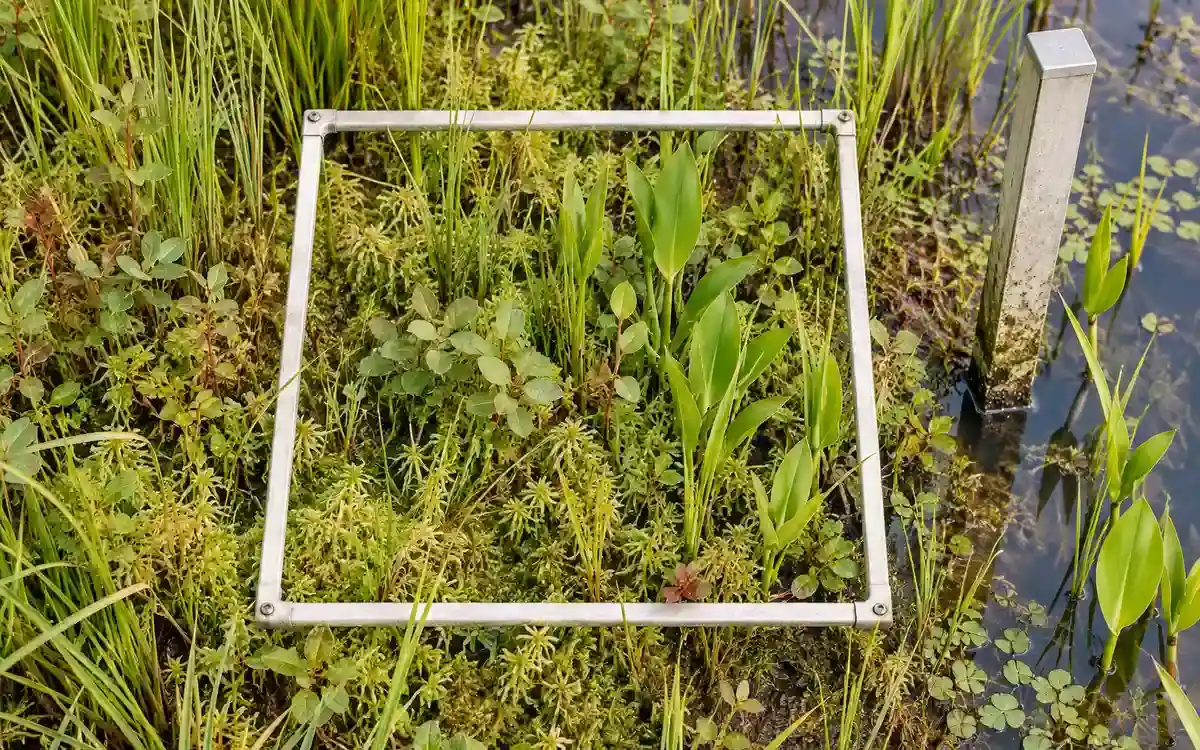 Intermediate
How Do We Measure Ecosystem Recovery?
Set goals, select indicators, record a baseline and compare a reference site; use monitoring results to adapt rather than conclude from a green photograph.
3 min read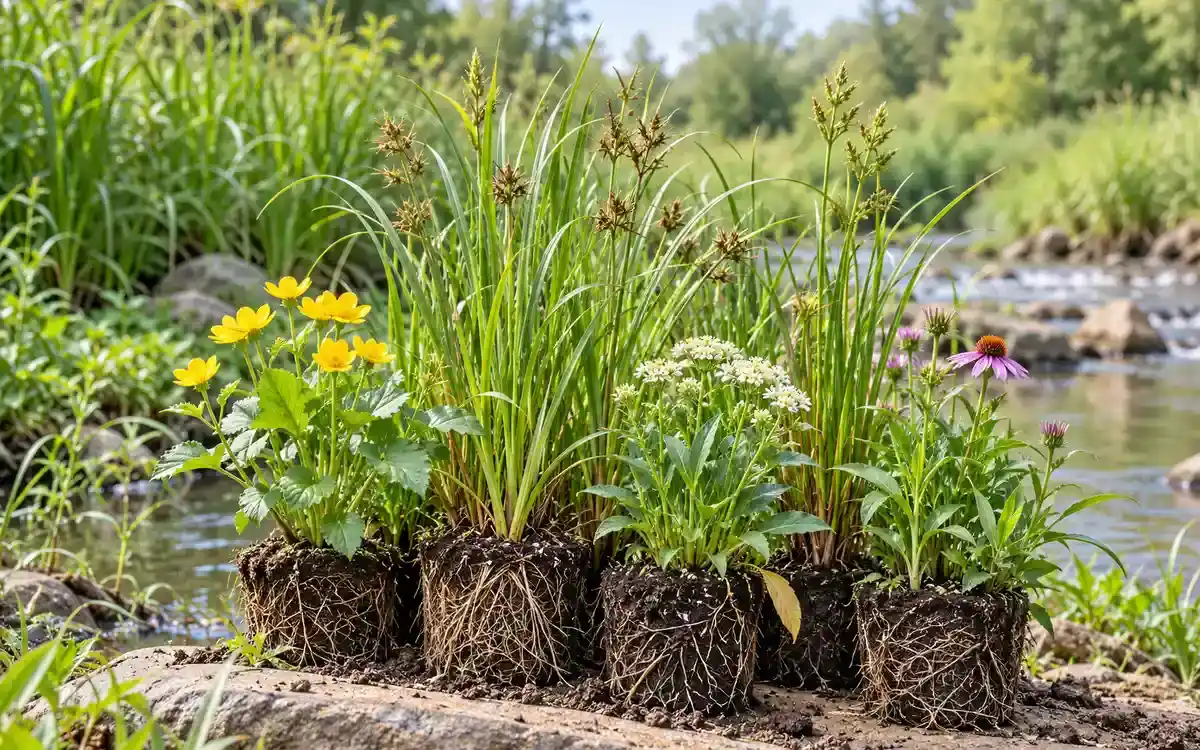 Intermediate
Why Use Native Plants in Restoration?
Understand native-community recovery through habitat conditions, natural regeneration and invasive-species control, beyond green or fast-growing cover.
3 min read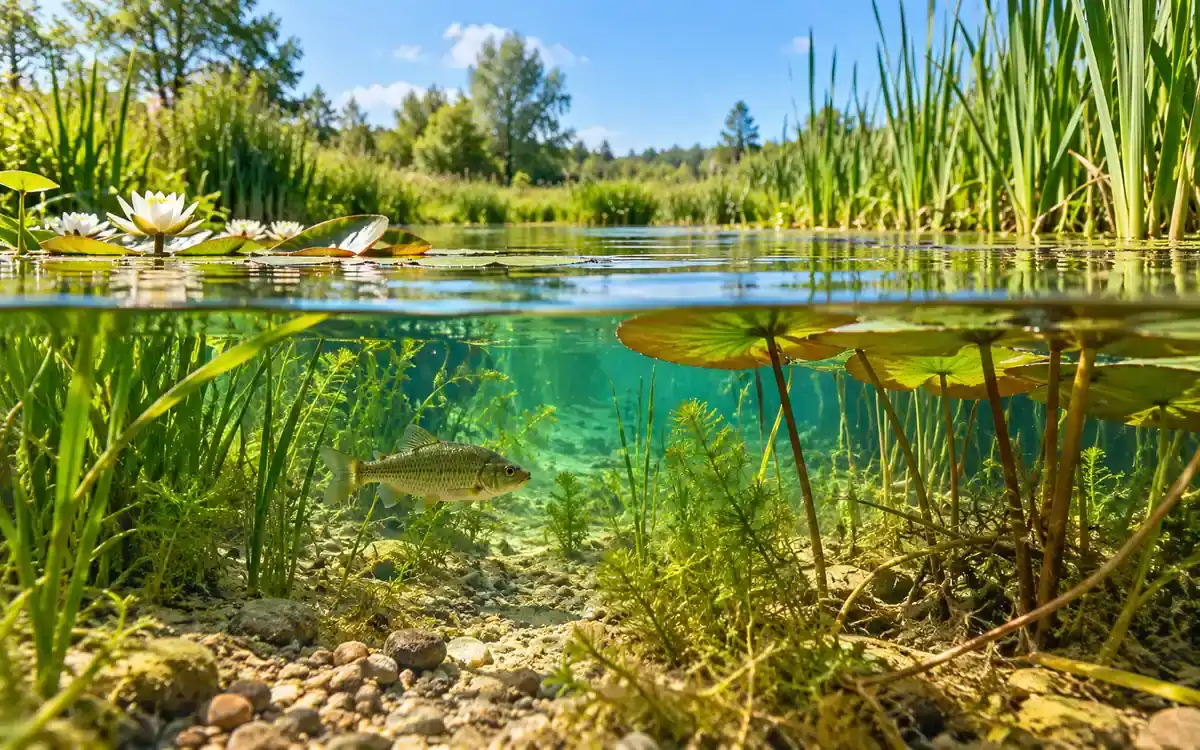 Starter
What Is an Ecosystem?
Explore ecosystems through organisms, water, soil and air, following a nutrient change to understand connections among their parts.
5 min read Starter
What Role Does Biodiversity Play?
Explore biodiversity’s roles in food webs, resilience and human life through the linked example of sea otters, sea urchins and kelp forests.
5 min read


Sources
These sources are written for older readers. If they feel hard, read them with an adult.
- Soil Health Principles and Practices(opens in a new tab)
USDATier A: government, standards or research bodiesRead on October 31, 2026
- Maintain and Improve Soil Health(opens in a new tab)
USDA Climate HubsTier A: government, standards or research bodiesRead on October 31, 2026