

How Do Video Compression and RTSP or WebRTC Streaming Work?
- Basic
- Article
- Ages 14+
- 6 min read

Video reaches a viewing screen through a processing chain: a camera produces frames, an encoder compresses them, a network carries packets, and a decoder reconstructs the picture. A codec defines how video is represented; RTSP can control a delivery session, RTP carries real-time data, and WebRTC is a real-time communications suite that can negotiate and transport media.
Contents
- Source camera
- Packet on the link
- Viewer display
What you will learn
- Trace video from a camera to a viewing screen.
- Distinguish compression, session control and media transport.
- Compare how RTSP/RTP and WebRTC fit into a stream.
Before you start
No flight experience is needed. A “frame” is one still image in a video, and “encoding” transforms data for storage or transmission.
What does video compression do in the pipeline?
A camera produces frames that are larger than a network usually wants to send uncompressed. An encoder uses a codec to represent the pictures with less data; a compatible decoder reconstructs viewable images at the receiving end. The conceptual path is camera → encoder/codec → data packets → network → decoder → display. Encoding reduces the amount of data to move, but codec and configuration choices affect picture detail, computing load and data volume.
Bitrate is the rate at which video data is produced or sent, commonly expressed in bits per second. If the bitrate exceeds what the path can sustain, data can queue up or be discarded; higher resolution or more retained detail generally needs a larger bitrate budget. Lowering bitrate can help a stream keep up with a link, but the picture may lose detail or show compression artifacts. So “higher resolution” does not guarantee a more useful picture when the network or decoder cannot keep up.
RTSP and RTP have different jobs
RTSP is an application-layer protocol for setting up and controlling delivery of data with real-time properties. An application can use RTSP to open or control a session; that does not mean RTSP itself compresses pictures or carries every video packet.
RTP provides end-to-end transport functions for applications sending real-time media. It can carry audio, video or simulation data, but its standard says that it does not reserve resources or guarantee quality of service. Having RTP therefore does not imply loss-free delivery, fixed latency or smooth video. The system still needs a compatible codec, packet formats understood by both ends, timing/sequence metadata and application logic for late data.
Where does WebRTC fit?
WebRTC is a set of APIs and protocols for real-time communication between applications. The endpoints need to negotiate a connection and a common codec; media is then sent through WebRTC's real-time media mechanisms. Unlike describing RTSP as control for a delivery session, WebRTC targets interactive endpoint-to-endpoint communication and includes mechanisms to establish connections across complex networks.
RTSP, RTP and WebRTC are not three competing codecs. A codec compresses and decompresses; RTP transports media; RTSP controls a delivery session; WebRTC bundles mechanisms for establishing and carrying interactive media. A product can combine different layers, but both ends still need compatible codecs and protocols.
Follow one frame through the system
Imagine a companion computer sending a camera scene to a viewer application. The camera gives frames to an encoder; the encoder produces compressed units; the transport layer sends them; the application receives, orders and decodes them for display. If the session never opens, inspect session control. If it opens but no media packets arrive, inspect transport or the encoder source. If packets arrive but the screen is blank, inspect codec, format and decoding. This is fault isolation for an illustrative design, not a test report.
Common misunderstandings
RTSP is not a codec. It controls a delivery session; compression belongs to the encoder and codec.
WebRTC does not erase latency by magic. It provides real-time communication mechanisms, but network load, bitrate choices and buffering still affect when a viewer sees the picture.
Frequently asked questions
Which codec does a drone video stream need?
The encoder and decoder must both support the codec; protocol standards do not select one codec for every device.
Does RTSP carry the video?
RTSP controls session setup and delivery; media data commonly travels through a separate transport mechanism.
Is WebRTC the same as RTP?
No. RTP is a media transport protocol; WebRTC is a real-time communications suite using appropriate media and connection mechanisms.
Summary
Terms in this article
English and Vietnamese terms, with the meanings used here. Hover, tap or Tab to a term with a dotted underline for an explanation as you read.
- codec
- A media representation that endpoints encode and decode to reconstruct content.
- bitrate
- The rate at which media data is produced or transmitted.
- RTSP
- An application-layer protocol controlling setup and delivery of a media session.
- RTP
- A transport protocol for real-time media data.
- WebRTC
- A set of APIs and protocols for real-time communication applications.
This article is not marked as viewed
Spotted something wrong or unsafe?
Tell the administrator by email. The message already has the article title and address.
You may also like
 Basic
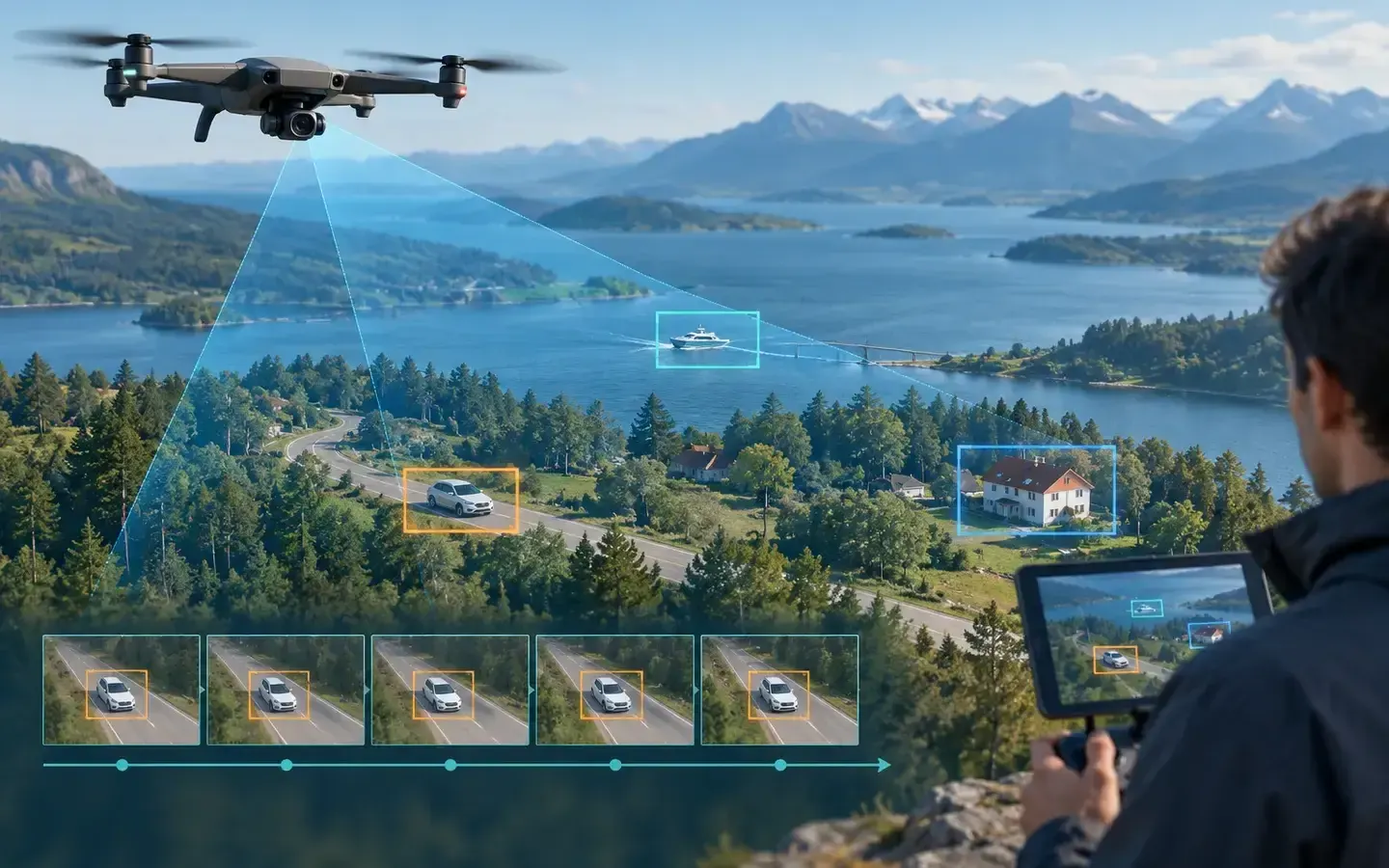
How Is Drone-Footage Object Detection Different?
Compare drone and ground images by viewpoint, object size, camera motion and occlusion to understand their effects on object detection.
Artificial intelligence5 min read Basic
How Does Object Tracking Follow a Target Across Frames?
Follow how a tracker predicts a search region, matches objects across frames, keeps target IDs and handles loss or mismatches.
Artificial intelligence4 min read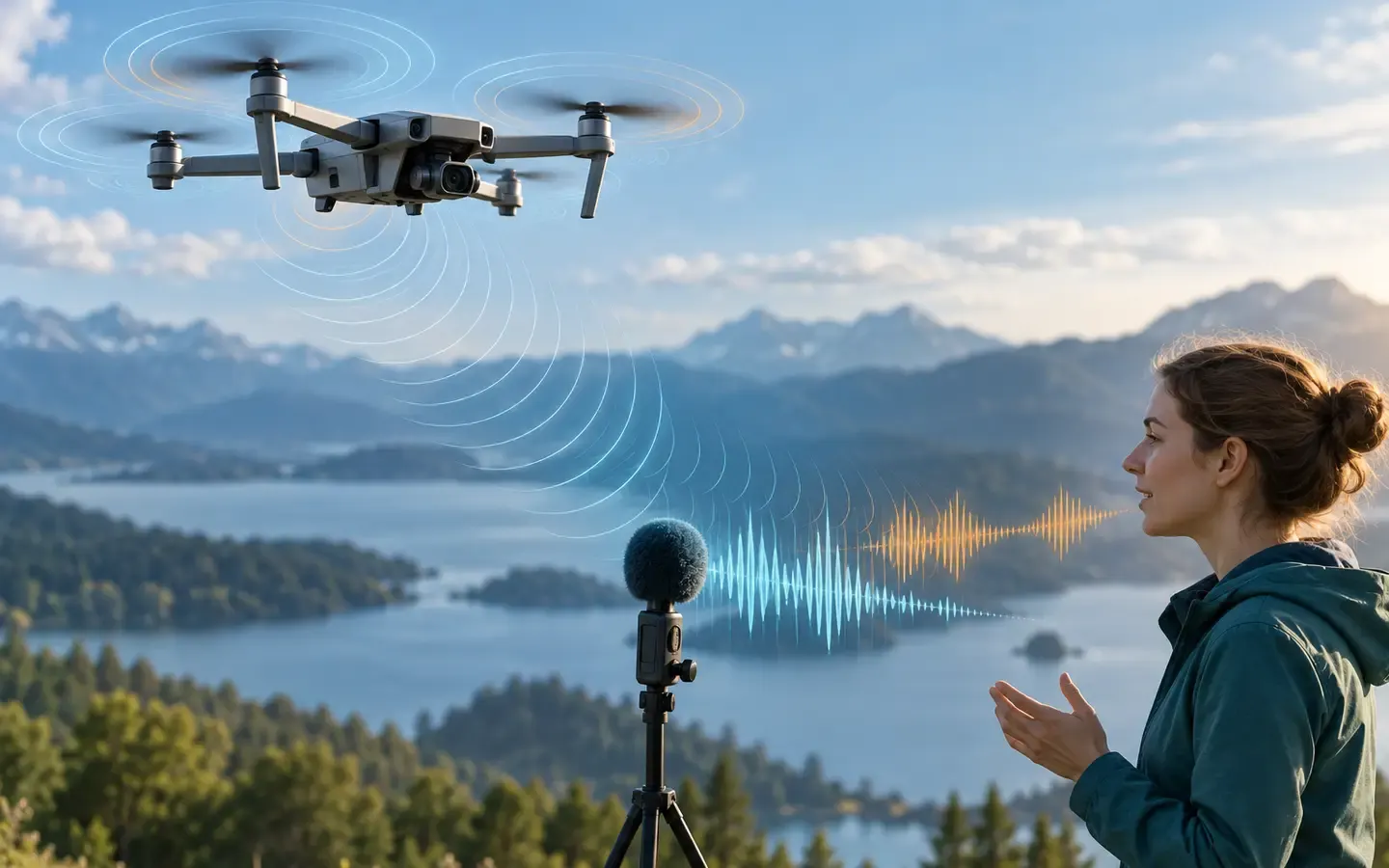 Basic
Why Is Drone Propeller Noise Hard for Speech Recognition?
See how propeller noise masks speech cues and how to measure by microphone placement, speaker and recording condition.
Artificial intelligence6 min read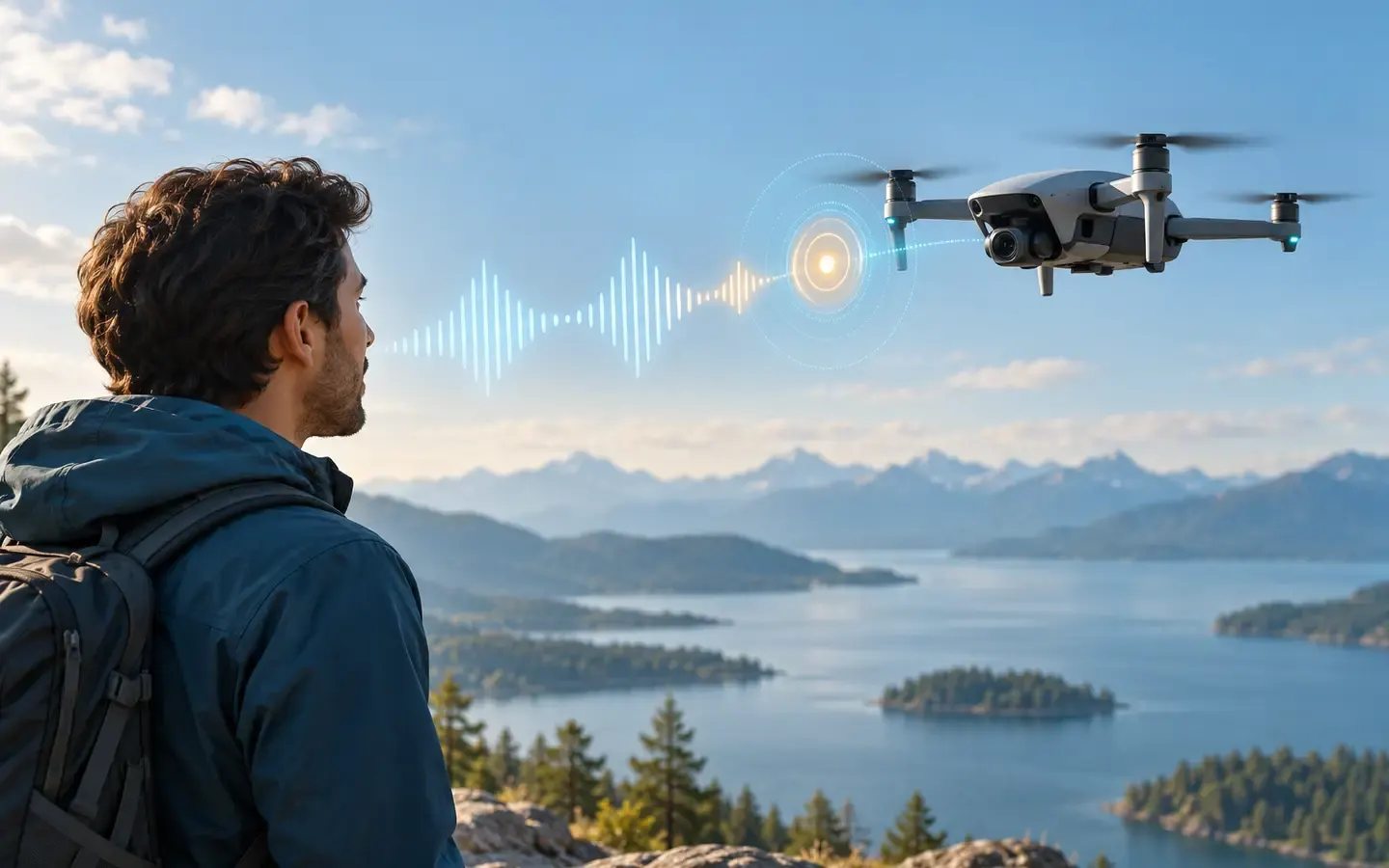 Basic
How Does a Wake Word Detector Work?
Learn how wake word works in a drone system, what data it needs and which limits to check before relying on it.
Artificial intelligence5 min read


Sources
These sources are written for older readers. If they feel hard, read them with an adult.
- RFC 7826: RTSP 2.0(opens in a new tab)
IETFTier A: government, standards or research bodiesRead on October 30, 2026
- RFC 3550: RTP(opens in a new tab)
IETFTier A: government, standards or research bodiesRead on October 30, 2026
- WebRTC: Real-Time Communication in Browsers(opens in a new tab)
W3CTier A: government, standards or research bodiesRead on October 30, 2026
- RFC 9317: Operational Considerations for Streaming Media(opens in a new tab)
IETFTier A: government, standards or research bodiesRead on October 30, 2026