

How Do Reduction, Reuse and Recycling Differ?
- Starter
- Article
- Ages 10+
- 5 min read

Reduction means making less waste in the first place. Reuse means using an item again instead of throwing it away. Recycling means collecting used items, processing them into raw materials and making new products from them. The first two keep items from becoming waste; the third needs a whole chain of collecting and processing.
Contents
- Reduction (block narrowing through a funnel)
- Reuse (bottle ringed by an arrow)
- Recycling (three shapes joined in a loop)
What you will learn
- Tell reduction, reuse and recycling apart in one sentence each.
- Give one example at home or at school for each.
- Explain why the three are ranked in an order of preference.
Before you start
No background is needed. It helps if you have ever put an item in a rubbish bin or a recycling bin.
What is reduction?
Reduction means cutting waste at the source, before an item has the chance to become waste. It is also called source reduction or waste prevention, and it is the most environmentally preferred strategy in the hierarchy of the US Environmental Protection Agency (EPA).
It takes many forms: reusing or donating items, buying in bulk, reducing packaging, redesigning products and reducing toxicity. At school, you can choose school supplies wrapped in minimal packaging and buy in bulk when possible.
Reduction has benefits too: it can reduce harmful emissions, save natural resources, conserve energy and reduce pollution.
What is reuse?
Reuse means continuing to use the same item rather than processing it into raw materials for another product. Reusing or donating items counts as a form of source reduction. Reuse gets its own section here so it is easy to compare.
Two examples: pack a school lunch in reusable containers instead of disposable ones, or hold a yard sale to find new homes for clothes, toys, appliances and books you no longer need.
- The first user's house
- The receiver's house
- The item, unchanged (bottle)
- Arrow passing the item to someone else
- Round arrow: used one more time
The item is still the same item. It changes hands, or it is simply used one more time.
What is recycling, and how does it differ from the other two?
Recycling is a chain of activities with several steps. The chain covers collecting used items that would otherwise be considered waste, then sorting and processing them into raw materials and remanufacturing those raw materials into new products.
So putting an item in a recycling bin is only the first step. The last link is the consumer who buys products made from recycled content.
- Collection (bin with a lid)
- Sorting (conveyor)
- Raw material (cluster of grains)
- New product (bottle)
- Arrows linking the stages
| Approach | What happens | The item afterwards | Example |
|---|---|---|---|
| Reduction | Less waste is made from the start | Never becomes waste | Buying in bulk, choosing less packaging |
| Reuse | The item is used again | The same item stays in service | A reusable lunch box, selling old items |
| Recycling | Collected, processed into raw materials, remade | Becomes a new product | Cans and bottles after a meal |
Which one comes first?
Reduction comes first. EPA's waste management hierarchy ranks strategies from most to least environmentally preferred: source reduction and reuse first, then recycling and composting, then energy recovery, then treatment and disposal.
Europe points the same way: the European Union's Waste Framework Directive sets a five-step hierarchy in which preventing waste is the preferred option and landfill the last resort.
- Source reduction and reuse (tallest step)
- Recycling and composting
- Energy recovery
- Treatment and disposal (lowest step)
- Arrow showing falling preference
No single approach suits all materials in all circumstances. The hierarchy gives a general order of preference; each item still needs its own judgement.
Real-world example
Picture a weekend afternoon, as a made-up example. You were about to buy biscuits wrapped in small packs, but you pick one large bag with less packaging: that is reduction. The shirt you have outgrown is sold at a neighbourhood sale: that is reuse. The drink can you just finished goes into the collection bin for cans and bottles: that is the first step of recycling.
All three show up in one afternoon. What differs is where the item goes next.
Common misunderstandings
Recycling is the best option. In EPA's hierarchy, source reduction is preferred over it, and recycling comes after.
Reuse and recycling are the same thing. Reuse keeps the item in service rather than processing it into new raw material. Recycling needs collecting, sorting, processing into raw materials and remaking into a new product.
Once it is in the recycling bin, the job is done. That is only the collecting step. The rest of the chain still has to happen, and it closes when someone buys a product made from recycled content.
Frequently asked questions
Is reuse a kind of reduction?
Yes: reusing or donating items is one form of source reduction. The two are separated here to compare reuse with recycling.
Why is preventing waste preferred over recycling?
Source reduction can reduce harmful emissions, save natural resources, conserve energy and reduce pollution. The EU's waste framework also treats preventing waste as the preferred option.
Should an item be reduced, reused or recycled?
It depends on the material and the situation, because no single approach fits every case. The general order of preference is still to use less first, reuse next, and recycle after that.
Summary
Terms in this article
English and Vietnamese terms, with the meanings used here. Hover, tap or Tab to a term with a dotted underline for an explanation as you read.
- source reductiongiảm dùng
- Cutting waste at the source, before an item becomes waste, for example by buying in bulk or choosing less packaging.
- reusetái sử dụng
- Using the same item again instead of throwing it away, or passing it on for someone else to use.
- recyclingtái chế
- A chain of activities that collects used items, sorts and processes them into raw materials, and remanufactures them into new products.
- waste hierarchythang thứ bậc
- A ranking of waste management strategies from most to least environmentally preferred.
This article is not marked as viewed
Spotted something wrong or unsafe?
Tell the administrator by email. The message already has the article title and address.
More in this topic
 Starter
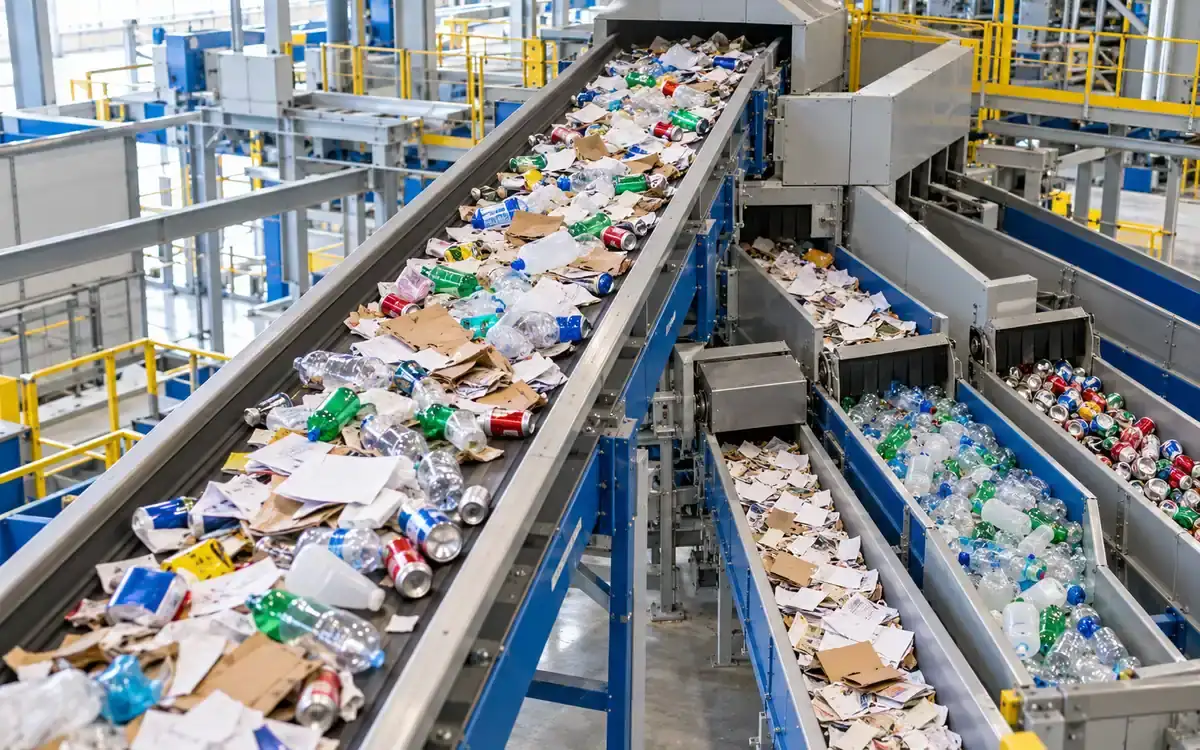
How Is Waste Sorted?
Follow sorting from the point of disposal to a materials recovery facility, and understand why local acceptance rules come before bin choice.
6 min read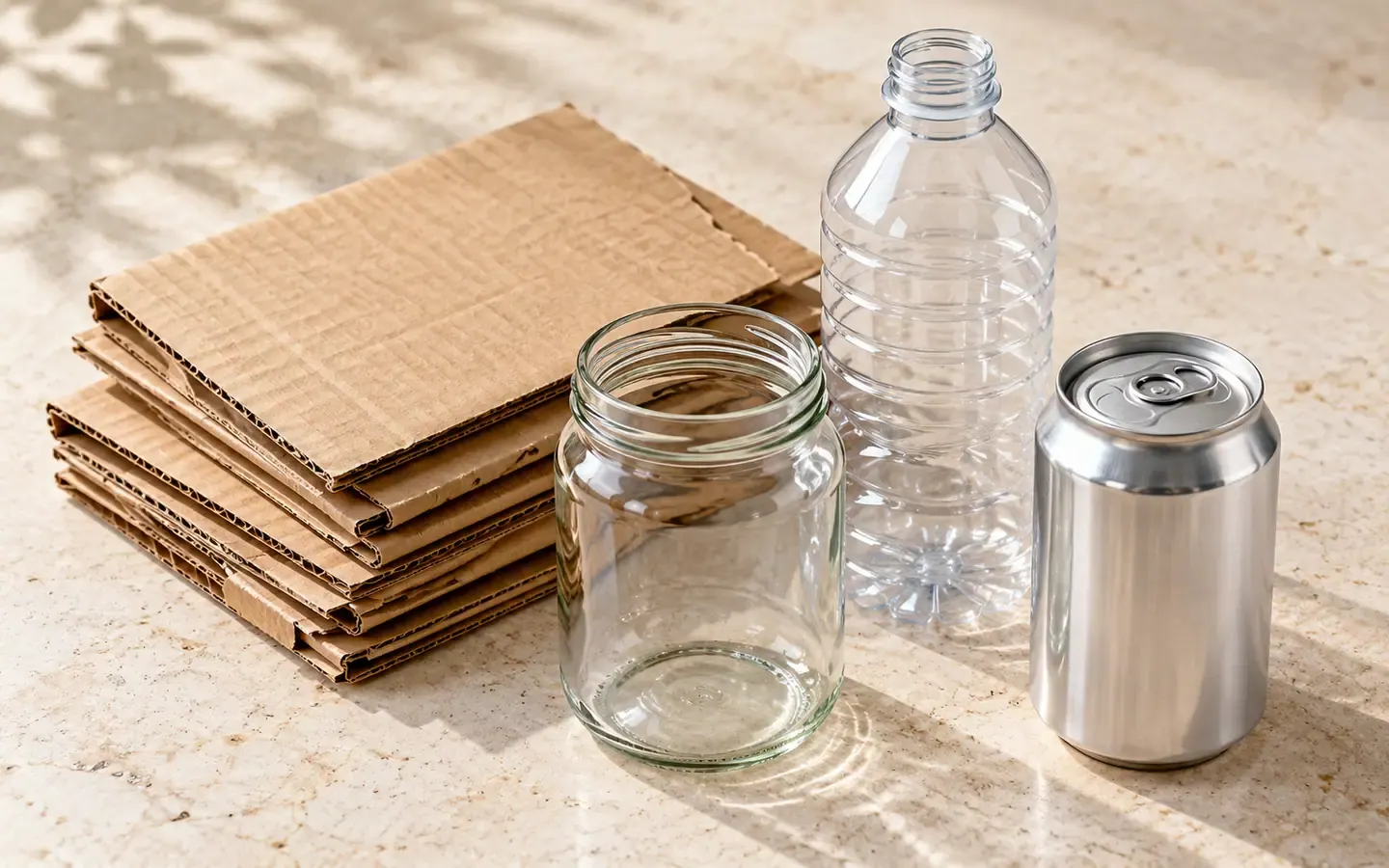 Starter
Which Materials Can Be Recycled?
Compare paper, plastic, glass and aluminium, distinguishing technical recyclability from acceptance by a local collection programme.
5 min read Starter
How Do Closed-Loop and Open-Loop Recycling Differ?
Closed loops make the same kind of product again; open loops make something different and lesser. Compare the two and see why material quality decides.
6 min read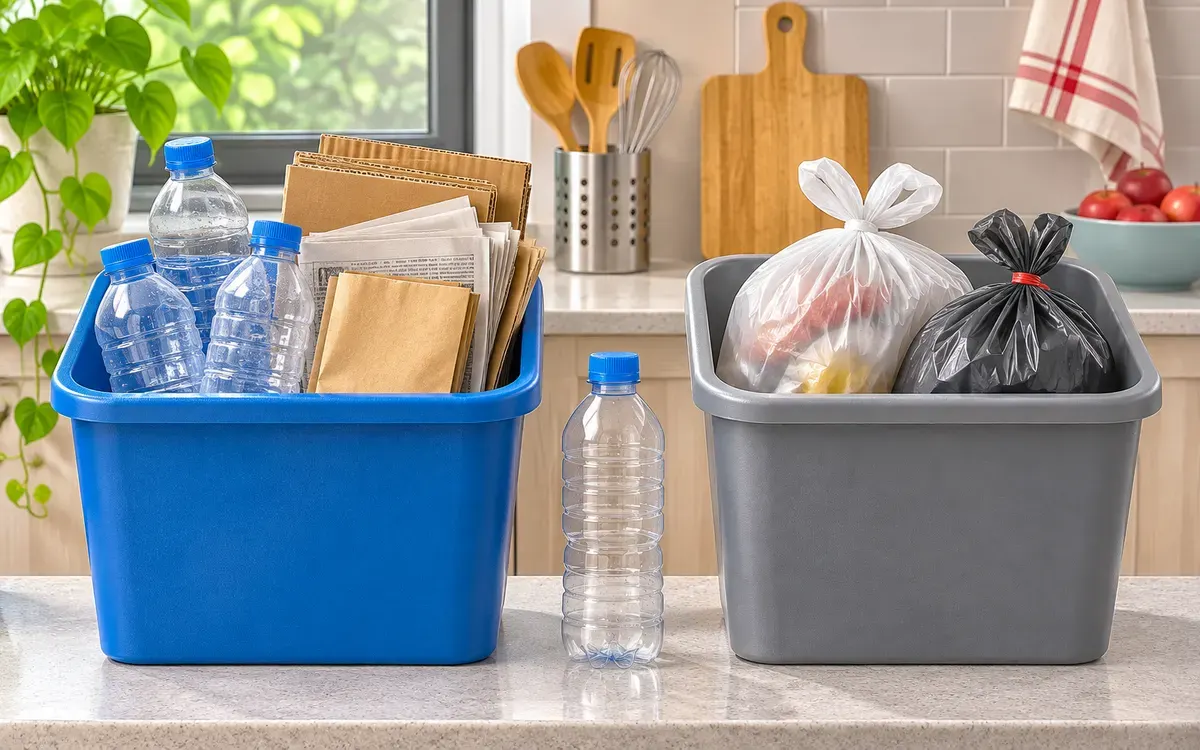 Starter
What Does Source Separation Contribute?
Source separation directs recyclables into the right collection route. See why misplaced items may be lost and why local rules matter.
5 min read


Sources
These sources are written for older readers. If they feel hard, read them with an adult.
- Sustainable Materials Management: Non-Hazardous Materials and Waste Management Hierarchy (US EPA)(opens in a new tab)
US Environmental Protection AgencyTier A: government, standards or research bodiesRead on November 10, 2026
- Waste Framework Directive (European Commission)(opens in a new tab)
European CommissionTier A: government, standards or research bodiesRead on November 10, 2026
- Reducing Waste: What You Can Do (US EPA)(opens in a new tab)
US Environmental Protection AgencyTier A: government, standards or research bodiesRead on November 10, 2026