

Which Materials Can Be Recycled?
- Starter
- Article
- Ages 10+
- 5 min read

Contents
What you will learn
- List the groups of materials that are commonly recycled, with an example of each.
- Explain why similar materials can need different collection routes.
- Know what to check about an item before recycling it.
Before you start
No specialist background is needed; technical terms are explained as they appear.
Which groups of materials are commonly recycled?
Four familiar groups are paper, aluminium, glass and plastic. Newspapers and magazines are recyclable paper. Both aluminium cans and foil can be recycled. Glass food and beverage containers can be recycled too, and glass can be recycled over and over again.
The fourth group, plastic, is more complicated. Some types of plastic are not accepted by community programmes. The article returns to this point below.
US figures for 2018 show how the groups differ. Americans recycled about 68% of the paper they used. For glass, 31.3% was recycled. For aluminium items, the total recycling rate was 34.9%. For plastics, only 8.7% was recycled. These are numbers for one country in one year, not rates everywhere, but they show that “can be recycled” and “actually is recycled” are different things.
Some things cannot be recycled. Food cannot be recycled. Lawn materials cannot be either, but they can be composted.
Why can similar materials need different collection routes?
An item’s shape and use decide which route it takes. A bottle and a bag may both be plastic. But plastic bags and film cannot go in your household recycling bin and need their own collection route. Retail and grocery stores often accept them.
Styrofoam is another example. Very few localities accept it in curbside recycling. Compostable plastics are not intended for recycling. Electronics cannot be recycled curbside, but they can be dropped off at specific collection sites, and personal information should be deleted first.
Paper is not uniform either. Gift wrap with a shiny or laminated coating often cannot be recycled. Pizza boxes can be recycled even if they have grease in them, as long as food scraps are removed and the box is flattened.
General rules are only a starting point. Your local programme may have different rules.
What do symbols and the condition of an item tell you?
The resin number in the triangle on plastic identifies the type of plastic. It does not necessarily mean the item can be collected where you live. Compare the plastic type with your local programme’s list.
The condition of the item matters too. Containers contaminated with food cannot be recycled. Scraping or rinsing until “spatula-clean” is clean enough.
Three questions check an item: which material group is it, does my local programme accept it, and is it clean? Only when all three are fine should the item go in the recycling bin.
Real-world example
Suppose four items sit on a table: a newspaper, an aluminium can, a glass bottle and a plastic bag. The newspaper, can and bottle belong to commonly recycled groups, and the glass bottle can be recycled many times. The bag needs its own route: it does not go in the household bin but to a place that takes bags.
Add a plastic tub with rice stuck to it. It may be the same plastic as the bottle, but if the local programme does not accept that type, or the tub is still dirty, it cannot be recycled.
Common misunderstandings
Being plastic does not mean the same handling. Bottles, bags, styrofoam and compostable plastics follow different routes.
A triangle symbol does not guarantee that an item is collected where you live. Check the local programme.
Shiny or laminated gift wrap often cannot be recycled. Not all paper is alike.
Frequently asked questions
Can aluminium foil be recycled?
Yes. Both aluminium cans and foil can be recycled through appropriate processes.
Can a greasy pizza box be recycled?
Yes, even with grease in it. Remove food scraps and flatten the box before putting it in the bin.
Can electronics go in the household recycling bin?
No. Electronics cannot be recycled curbside. Take them to a specific collection site and delete personal information first.
Summary
Terms in this article
English and Vietnamese terms, with the meanings used here. Hover, tap or Tab to a term with a dotted underline for an explanation as you read.
- plasticnhựa
- A material group with different types; collection depends on product type and provider.
- aluminiumnhôm
- The metal used in recyclable cans and foil.
- curbsidethu gom tại cửa nhà
- Collection of recyclables at the household kerb.
This article is not marked as viewed
Spotted something wrong or unsafe?
Tell the administrator by email. The message already has the article title and address.
More in this topic
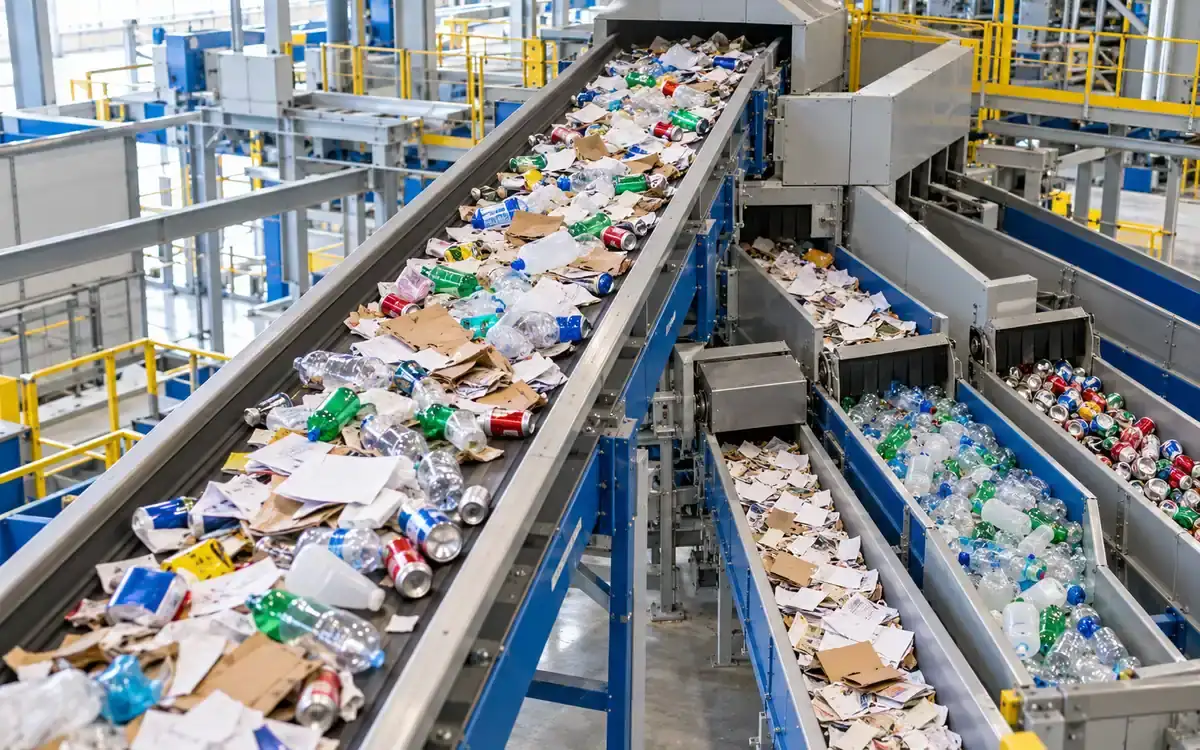 Starter
How Is Waste Sorted?
Follow sorting from the point of disposal to a materials recovery facility, and understand why local acceptance rules come before bin choice.
6 min read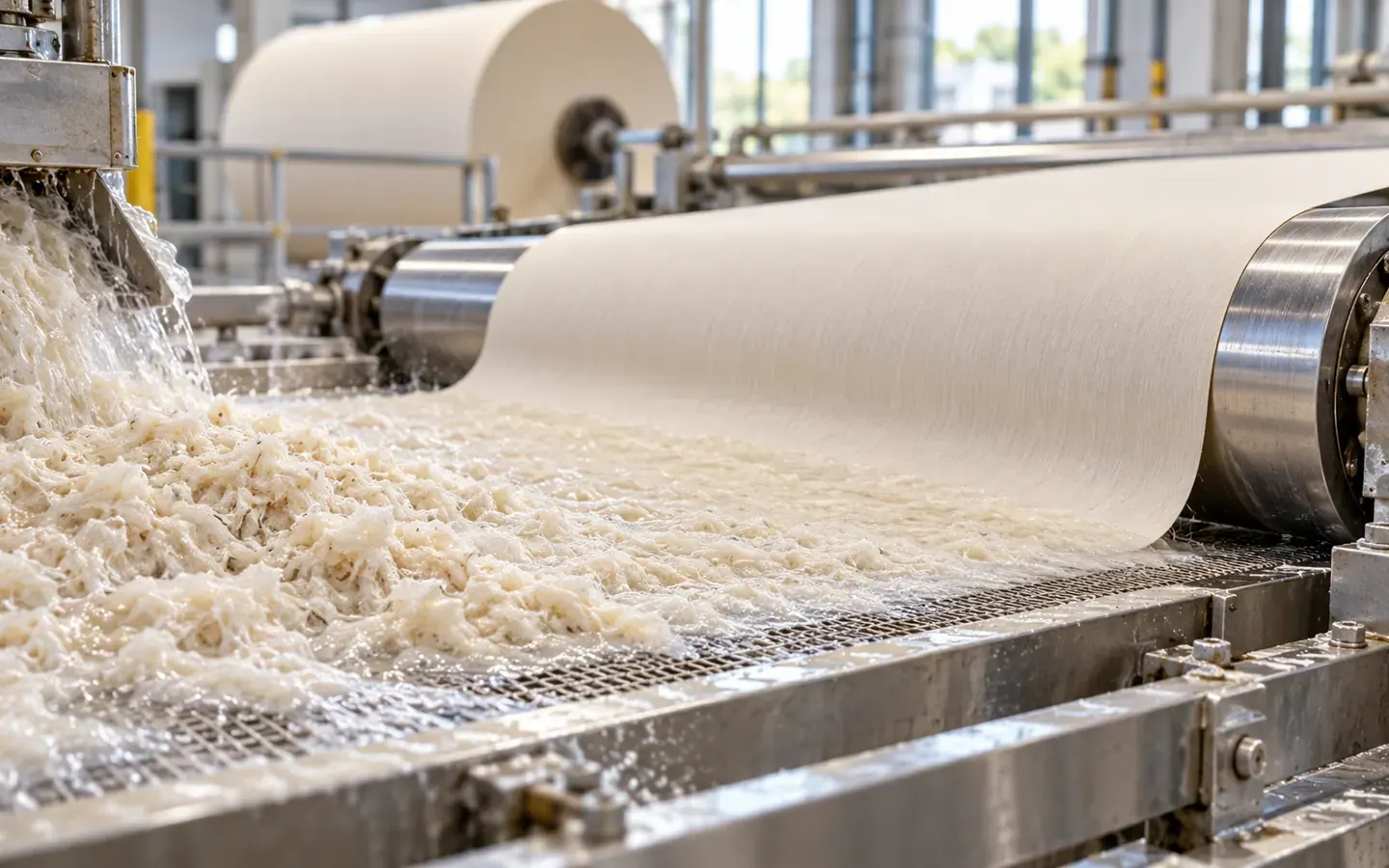 Basic
How Is Paper Recycled into New Products?
Follow recovered paper through pulping, contaminant removal and new-sheet formation, and learn why fibres cannot be recycled indefinitely.
5 min read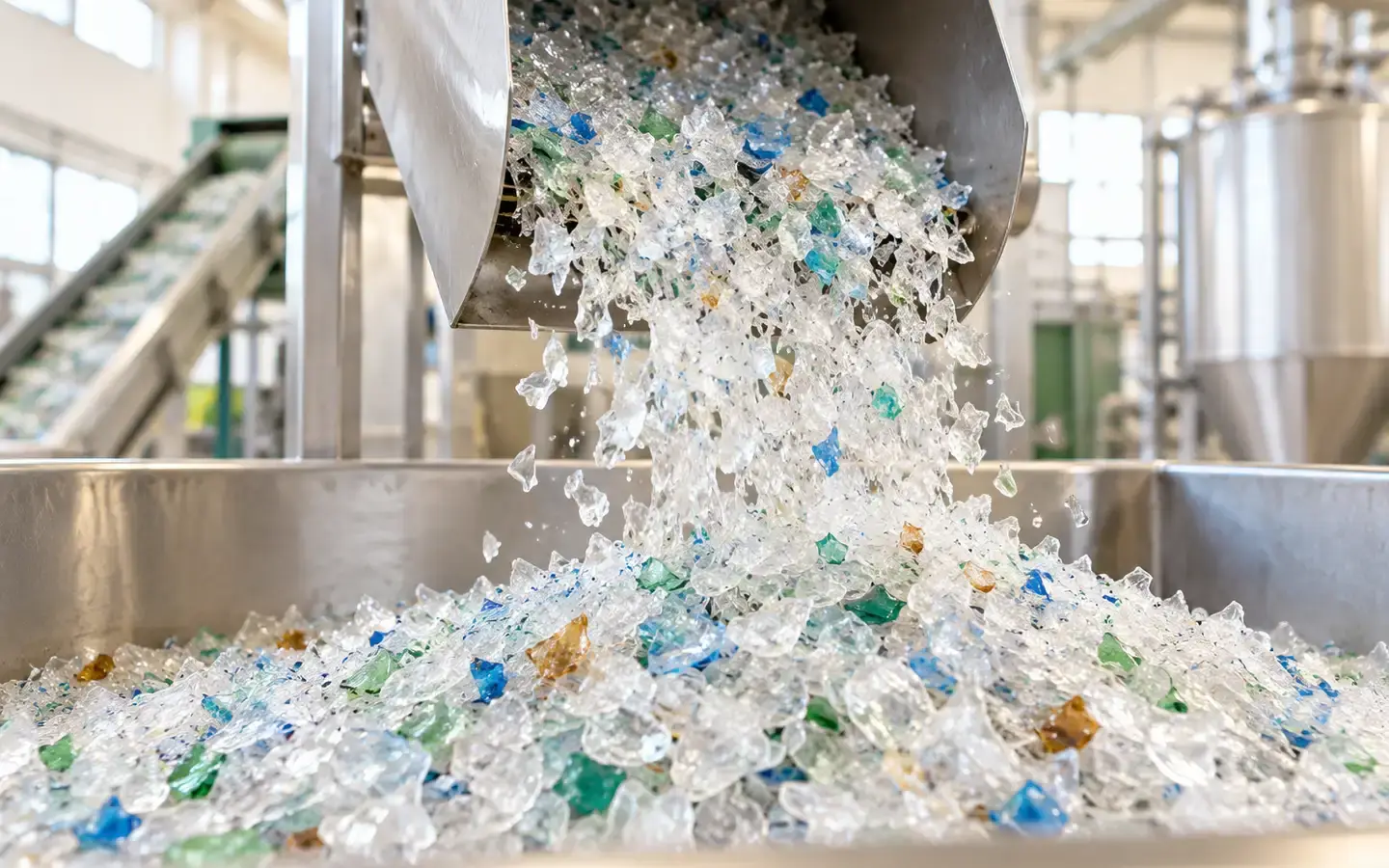 Basic
How Is Plastic Recycled?
Follow plastics through sorting, cleaning, shredding and reprocessing; understand why incoming material and local collection determine practical recycling.
3 min read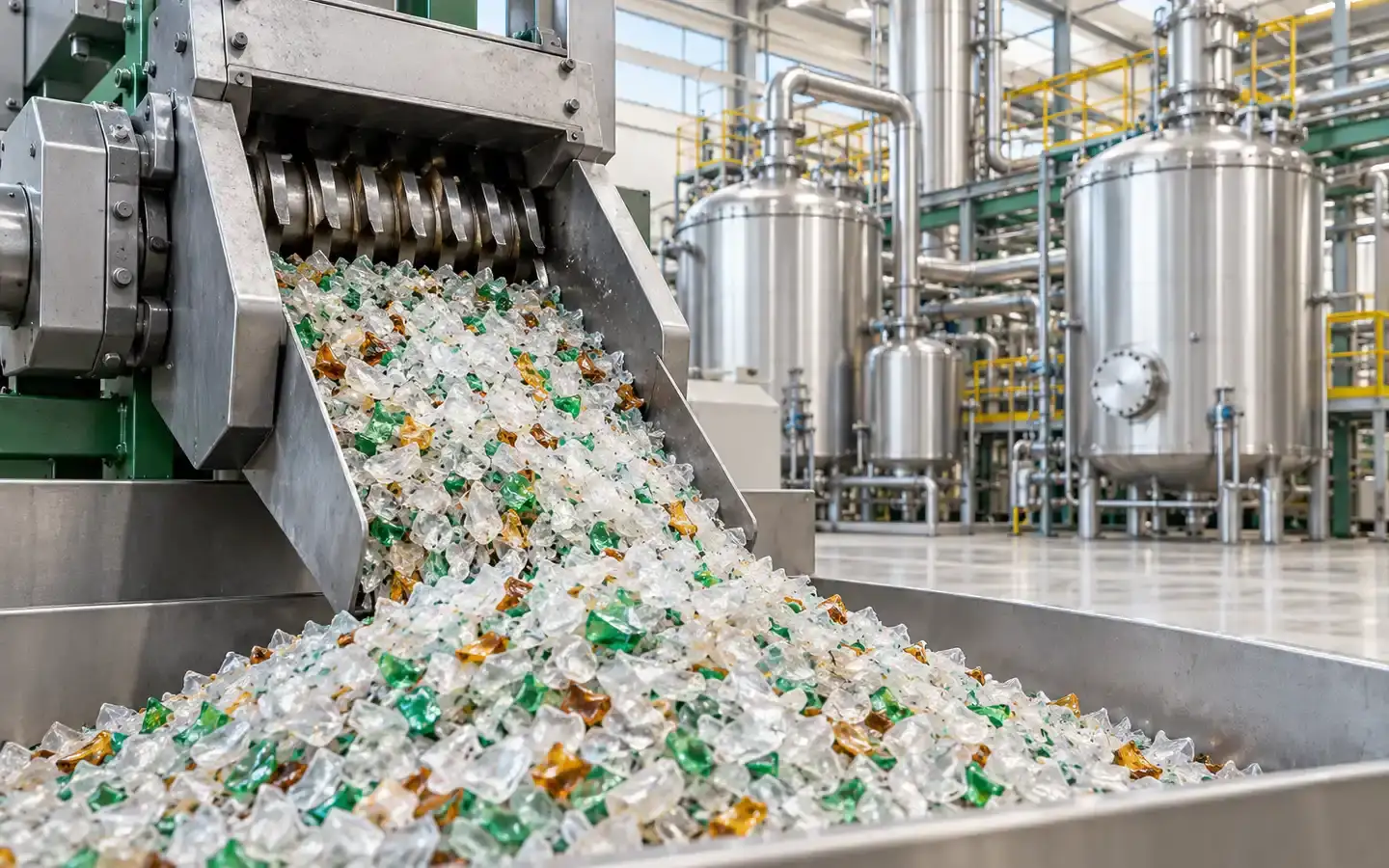 Intermediate
How Do Mechanical and Chemical Recycling Differ?
Compare mechanical and chemical recycling by polymer changes, inputs and outputs; distinguish depolymerization, purification and fuel-producing pathways.
3 min read


Sources
These sources are written for older readers. If they feel hard, read them with an adult.
- How Do I Recycle Common Recyclables(opens in a new tab)
US EPATier A: government, standards or research bodiesRead on October 31, 2026