

How Is Waste Sorted?
- Starter
- Article
- Ages 10+
- 6 min read

Recyclable waste is sorted in two places. At home, you place each item in the right bin according to the local collection programme. After collection, a recovery facility sorts, cleans and processes the materials for manufacturing. Sorting correctly at both places keeps the recycling loop running.
Contents
What you will learn
- State what to check before putting an item in a recycling bin.
- Retell what happens to materials at a recovery facility.
- Explain why putting an item in the right bin is only the first step of the recycling loop.
Before you start
No specialist background is needed; technical terms are explained as they appear.
What matters when you dispose of an item?
The first question is what the local programme accepts. Not all kinds of recyclables are collected in every community. Collection methods differ too: curbside collection, drop-off centres, or deposit and refund programmes.
A plastic symbol does not replace this check. The number in the triangle only identifies the type of plastic. It does not necessarily mean the item can be collected where you live.
The second question is whether the item is clean. Food residue means a material cannot be recycled. A container needs only to be scraped or rinsed until it is “spatula-clean”. Compostable plastics are not intended for recycling and can contaminate and disrupt the recycling stream if mixed in.
The third question is whether the item needs a separate route. Plastic bags and film cannot go in your household recycling bin. Broken glass should not go in the bin either, because glass shards can harm workers and damage equipment.
Many people are confused about what can be recycled, where and how. This leads to recyclables going in the trash and trash going in the recycling bin.
How are materials sorted after collection?
After collection, recyclables go to a recovery facility to be sorted, cleaned and processed into materials that can be used in manufacturing. This is where sorting continues.
Take glass as an example. Most curbside programmes accept different glass colours and types mixed together, and then sort the glass at the recovery facility. Residents therefore do not need to separate colours at home.
Aluminium cans show the reverse. Generally, cans should not be crushed before recycling. In areas with single-stream recycling, crushed cans are harder to detect when being sorted at recycling facilities. In areas with multi-stream recycling, crushing is not an issue. The same action can help or hinder depending on the local system.
Once sorted, materials are bought and sold like raw materials, and prices go up and down with supply and demand in the United States and around the world.
Why is the right bin not the end?
The recycling process is made up of three steps repeated over and over, forming a continuous loop like the familiar chasing-arrows symbol. Step one is collection, step two is processing at a recovery facility, and step three is making new products at a recycling plant.
You help close the loop by buying products made from recycled materials. Sorting is therefore a condition for the loop to turn, not its destination. Clean material of the right kind is what becomes a new product.
Remember the order of priority as well. Source reduction and reuse rank ahead of recycling.
Real-world example
Follow a plastic food tub with rice stuck to it. Step one, at home: check whether the local programme accepts this type of plastic. If it does, scrape or rinse the tub clean. If it does not, putting it in the recycling bin is a mistake.
Step two, at the recovery facility: if the tub is clean and the right type, it is sorted with other plastics, cleaned and processed. Step three: that material is used to make a new product. A dirty or wrong-type tub slows down or disrupts the later steps.
Common misunderstandings
A triangle symbol does not guarantee that an item is collected where you live. Check the programme in your own area.
Putting something in the recycling bin does not mean it can be recycled. A dirty, wrong-type or unaccepted item can harm the whole stream of material.
Sorting at home does not replace sorting at the recovery facility. The two places do different parts of the job.
Frequently asked questions
Do I need to separate glass by colour?
Usually not. Most curbside programmes accept mixed colours and sort them at the recovery facility.
Should I crush aluminium cans?
Generally not. In single-stream areas, crushed cans are harder to detect when sorting. In multi-stream areas it is not an issue.
Why does food residue spoil recycling?
Food residue means a material cannot be recycled. Scraping or rinsing until “spatula-clean” is enough.
Summary
- Check the local programme, the plastic symbol and cleanliness before disposal.
- The recovery facility keeps sorting, cleaning and processing materials.
- The recycling loop has three repeating steps, and reduction and reuse come first.
Terms in this article
English and Vietnamese terms, with the meanings used here. Hover, tap or Tab to a term with a dotted underline for an explanation as you read.
- sortingphân loại
- Separating materials into appropriate processing and collection streams.
- recovery facilitycơ sở thu hồi
- A facility where collected materials are sorted, cleaned and processed.
- curbside collectionthu gom tại cửa nhà
- Collection of recyclables at the household kerb.
- recycling loopvòng tái chế
- Three repeating steps: collection, processing and making new products.
This article is not marked as viewed
Spotted something wrong or unsafe?
Tell the administrator by email. The message already has the article title and address.
More in this topic
 Starter
Which Materials Can Be Recycled?
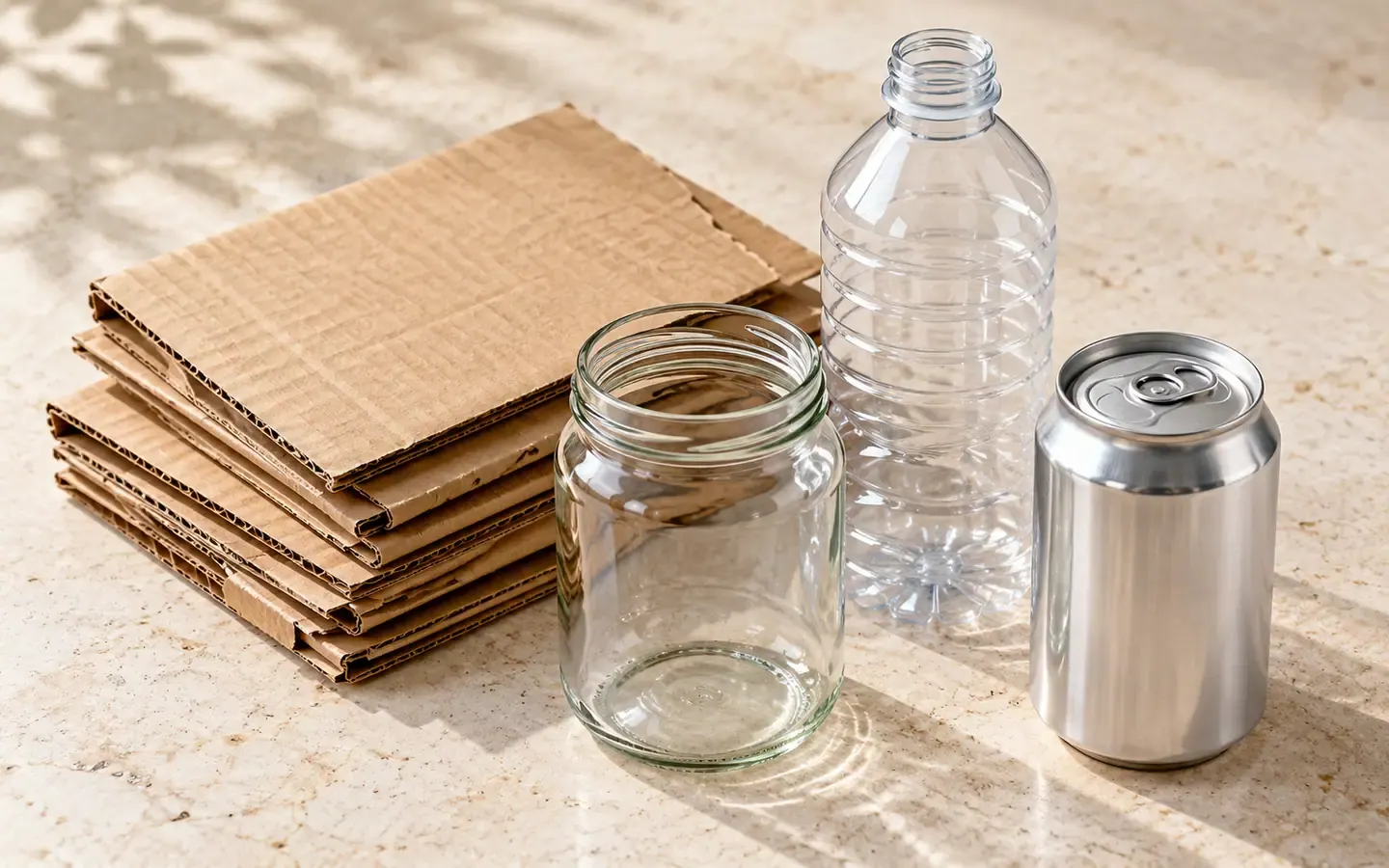
Compare paper, plastic, glass and aluminium, distinguishing technical recyclability from acceptance by a local collection programme.
5 min read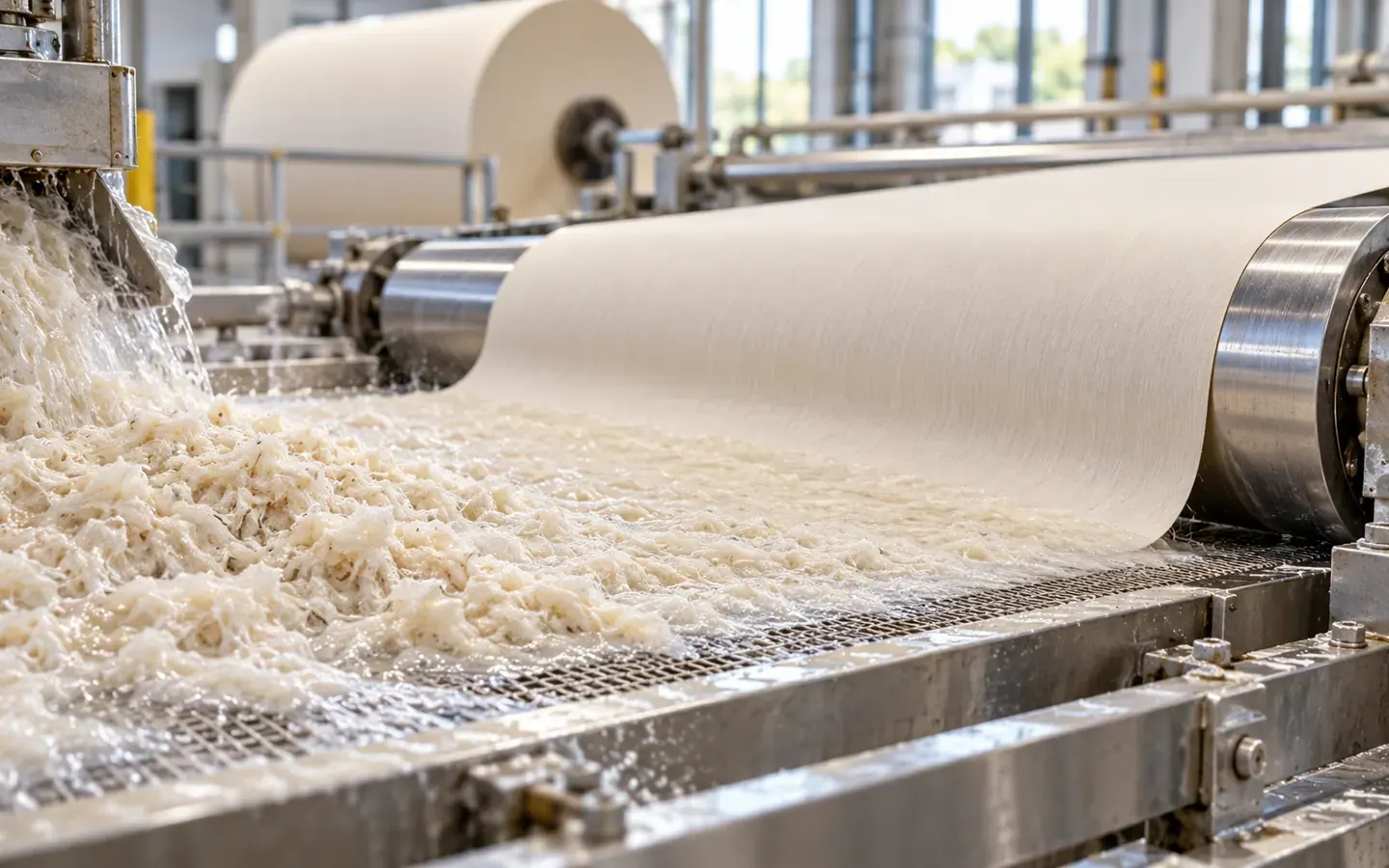 Basic
How Is Paper Recycled into New Products?
Follow recovered paper through pulping, contaminant removal and new-sheet formation, and learn why fibres cannot be recycled indefinitely.
5 min read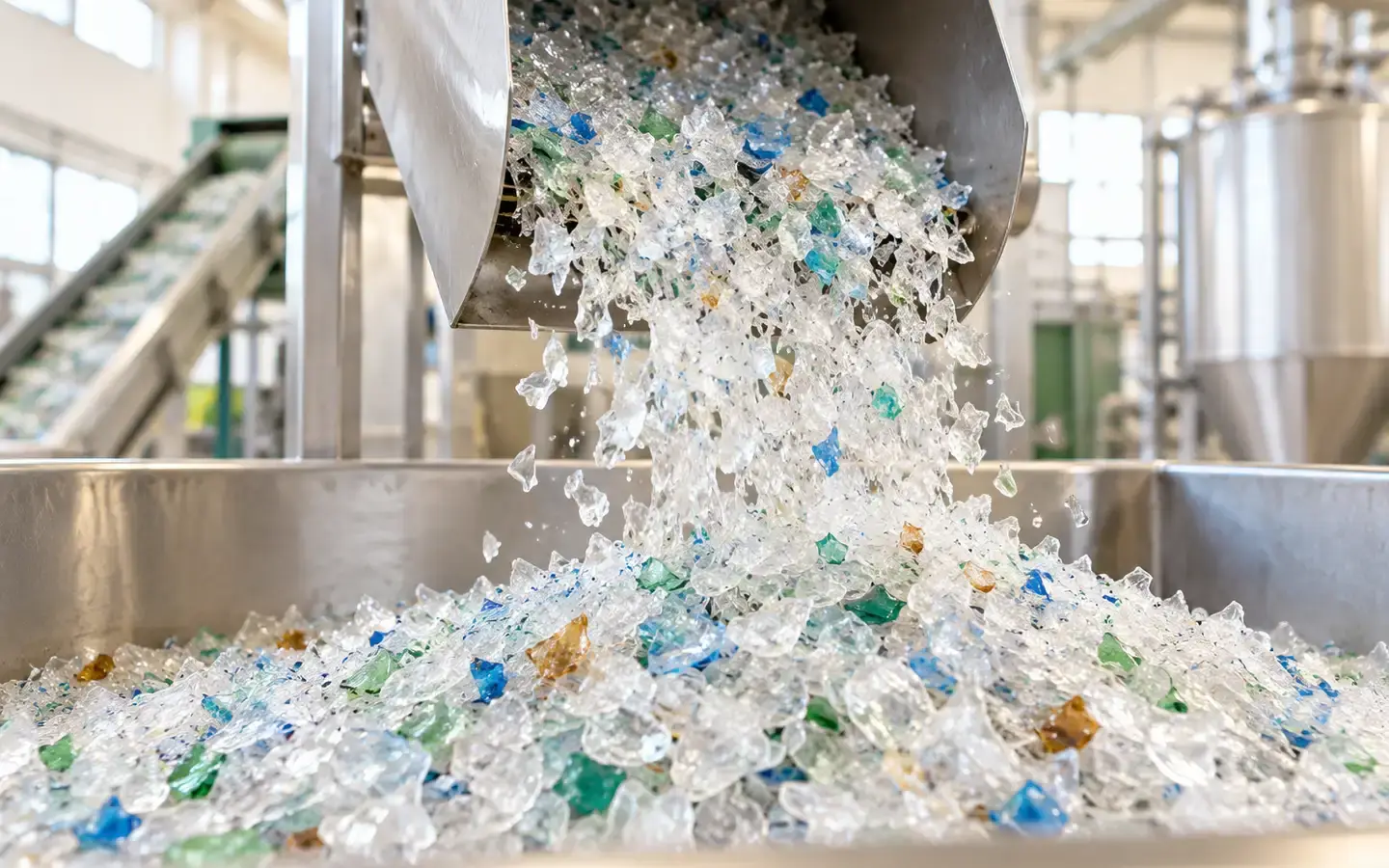 Basic
How Is Plastic Recycled?
Follow plastics through sorting, cleaning, shredding and reprocessing; understand why incoming material and local collection determine practical recycling.
3 min read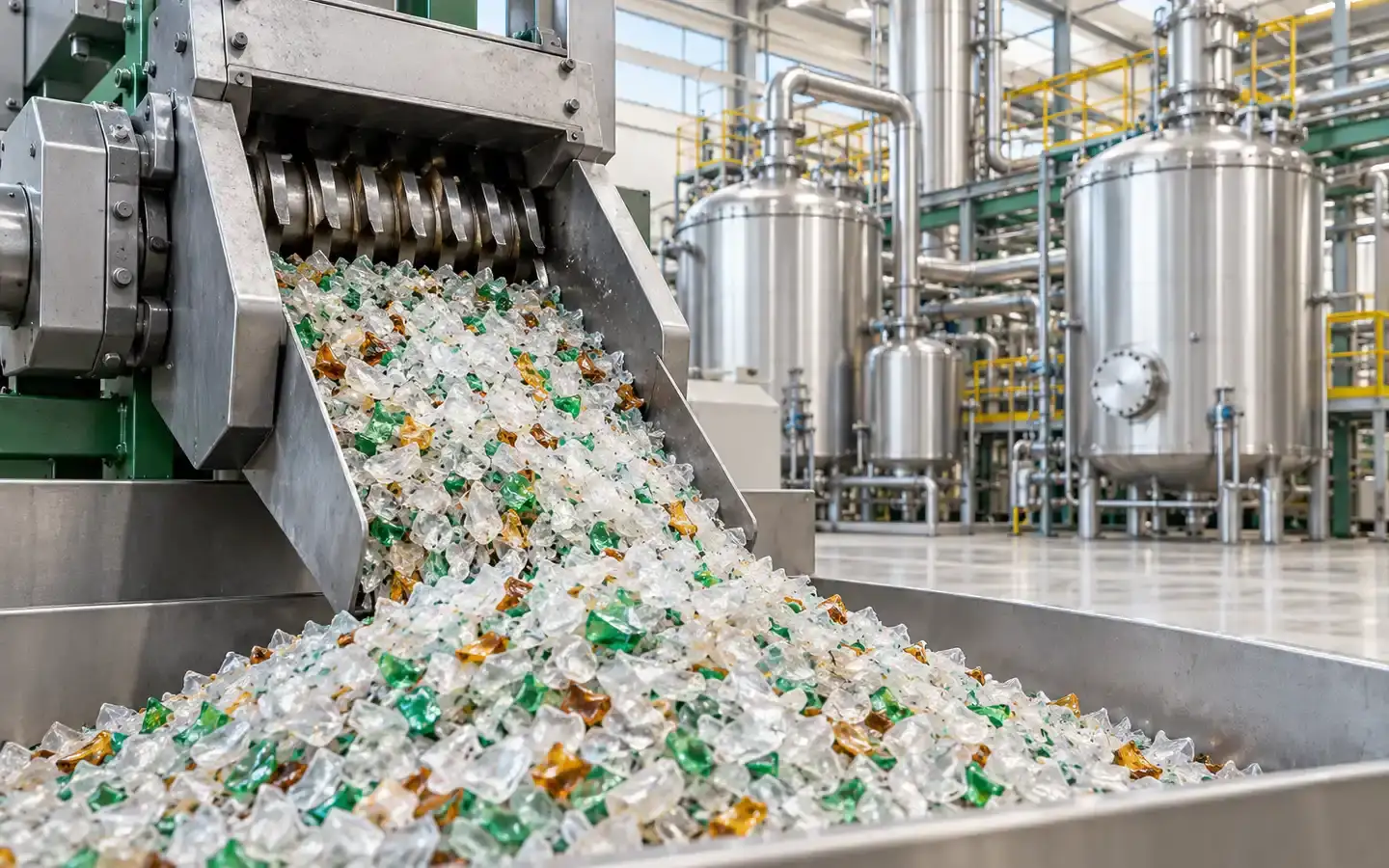 Intermediate
How Do Mechanical and Chemical Recycling Differ?
Compare mechanical and chemical recycling by polymer changes, inputs and outputs; distinguish depolymerization, purification and fuel-producing pathways.
3 min read


Sources
These sources are written for older readers. If they feel hard, read them with an adult.
- Recycling Basics and Benefits(opens in a new tab)
US EPATier A: government, standards or research bodiesRead on October 31, 2026
- How Do I Recycle Common Recyclables(opens in a new tab)
US EPATier A: government, standards or research bodiesRead on October 31, 2026