

How Is Glass Recycled?
- Intermediate
- Article
- Ages 12+
- 3 min read

Glass-bottle recycling prepares clean recovered pieces called cullet, then batches and heats the material for remoulding. Completing this route requires suitable glass meeting manufacturing requirements, rather than merely placing it in a collection bin.
Contents
What you will learn
- Trace material from a bottle to new manufacturing input.
- Explain contaminant removal and colour sorting.
- Distinguish containers from every glass object.
Before you start
Read the linked prerequisite first. This article explains principles and does not require assembling or opening equipment.
Collect suitable material before processing
Food and beverage bottles and jars form a glass recycling stream. EPA notes that local programmes have their own acceptance rules. Transparent objects should not all be assumed to belong in one stream.
The cited guidance has a US context. Elsewhere, check the actual collector’s accepted containers rather than treating it as a Vietnamese rule.
- Industrial heating stage
- Recovered glass input
Cullet must meet cleanliness and colour requirements
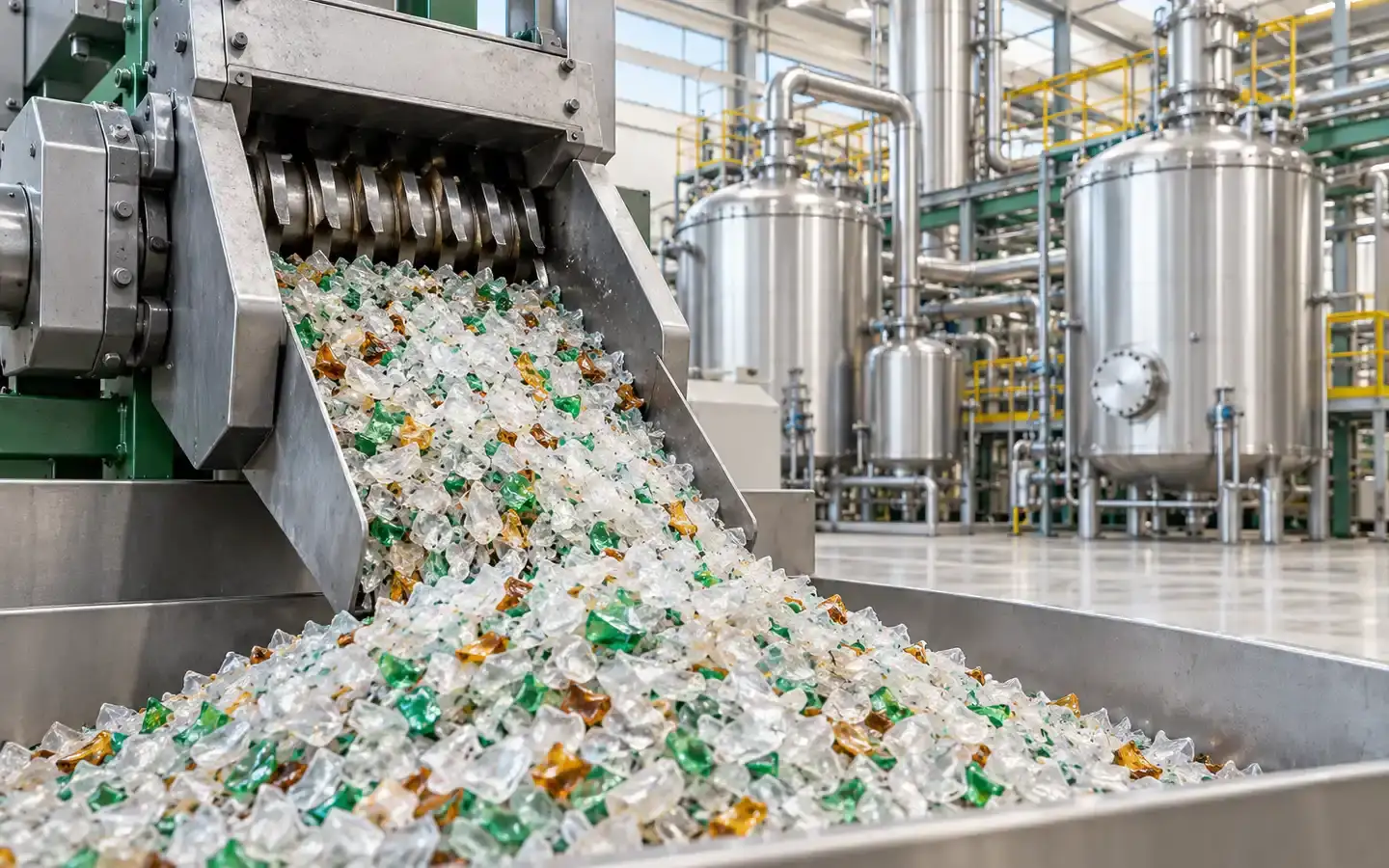
Cullet is the industry term for recycled glass. Before batching, contaminants such as metals, ceramics and stones must be removed. Colour separation helps new containers meet manufacturers’ colour requirements.
A glass-like appearance is not enough to establish suitability for a new container batch. Input quality must fit the intended product.
From clean input to a new glass object
Cullet is batched with suitable material and heated to mould the desired shape. It returns to manufacturing rather than merely moving between storage locations.
Contaminated or otherwise unsuitable recovered pieces may not become new containers. Some recovered glass has non-container destinations; state that destination rather than assuming every bottle becomes another bottle.
A worked example
Trace a hypothetical accepted jar on paper: collection → sorting → contaminant removal → suitable cullet → batching, heating and moulding. Replacing it with an item of unknown acceptance means returning to the input question. The example requires no real glass breaking or heating.
Frequently asked questions
Does all recovered glass become a new bottle?
No. Cleanliness, colour and manufacturing requirements determine the route.
Is colour only decorative?
Colour separation also helps meet requirements for new products.
Summary
- Cullet is recovered glass used as input.
- Cleaning and colour sorting support manufacturing.
- Material recyclability does not guarantee local acceptance.
Terms in this article
English and Vietnamese terms, with the meanings used here. Hover, tap or Tab to a term with a dotted underline for an explanation as you read.
- cullet
- Recovered glass prepared as a manufacturing input.
This article is not marked as viewed
Spotted something wrong or unsafe?
Tell the administrator by email. The message already has the article title and address.
More in this topic
 Intermediate
How Do Mechanical and Chemical Recycling Differ?
Compare mechanical and chemical recycling by polymer changes, inputs and outputs; distinguish depolymerization, purification and fuel-producing pathways.
3 min read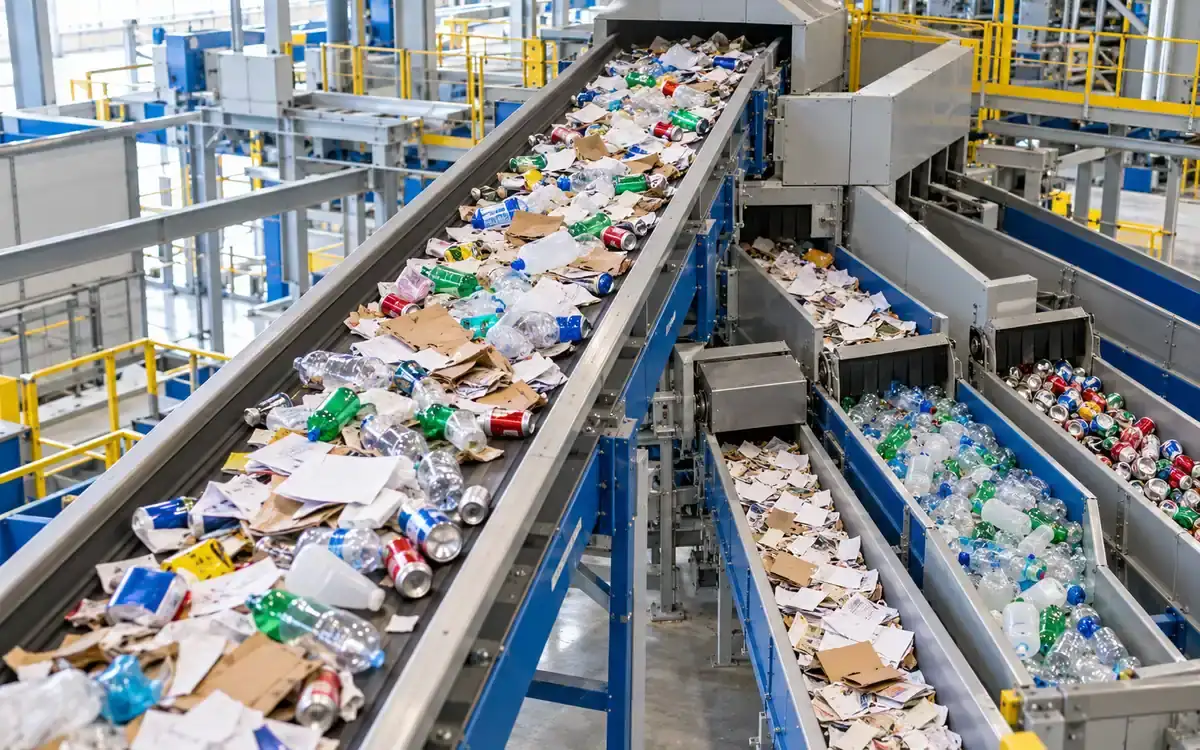 Starter
How Is Waste Sorted?
Follow sorting from the point of disposal to a materials recovery facility, and understand why local acceptance rules come before bin choice.
6 min read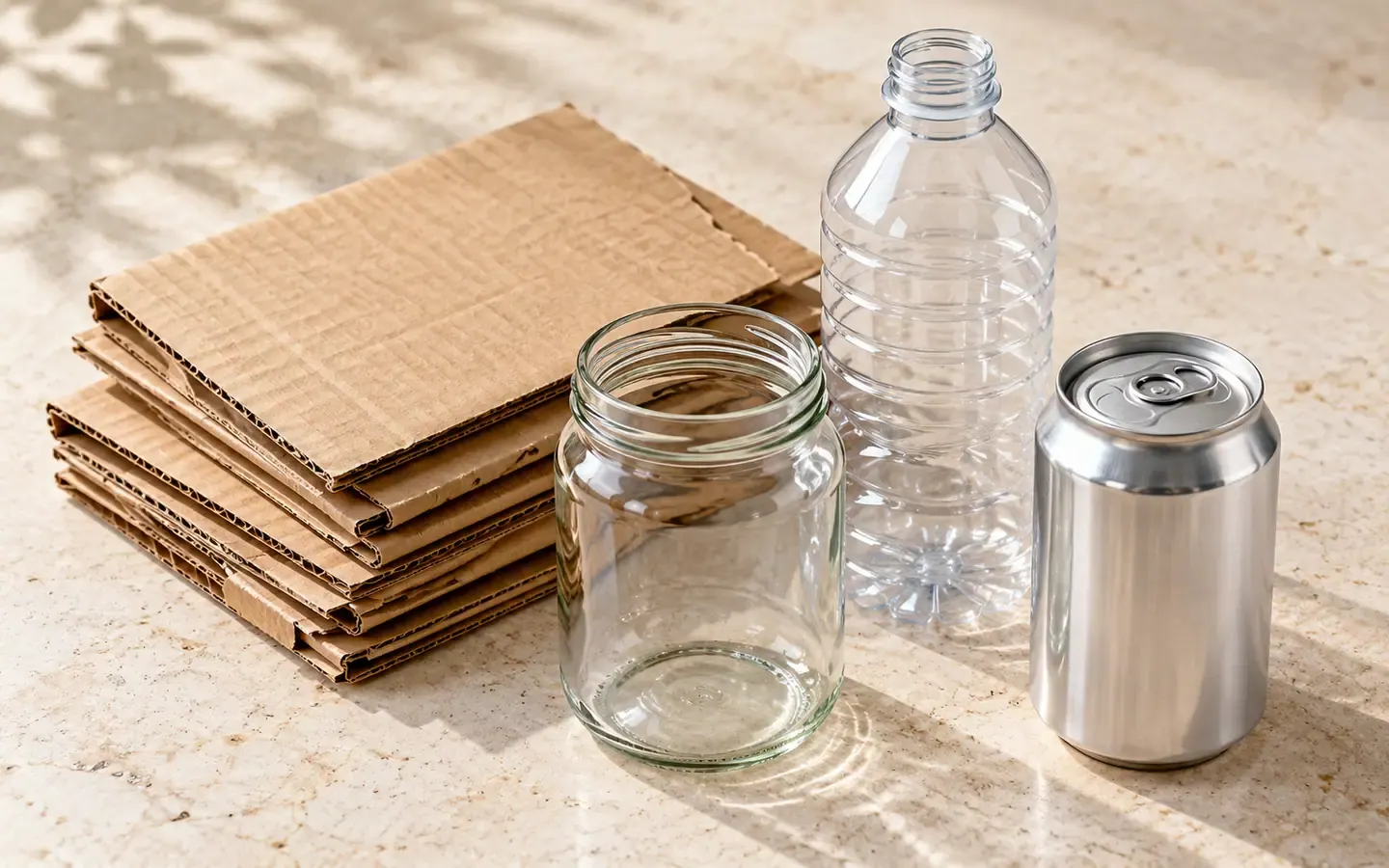 Starter
Which Materials Can Be Recycled?
Compare paper, plastic, glass and aluminium, distinguishing technical recyclability from acceptance by a local collection programme.
5 min read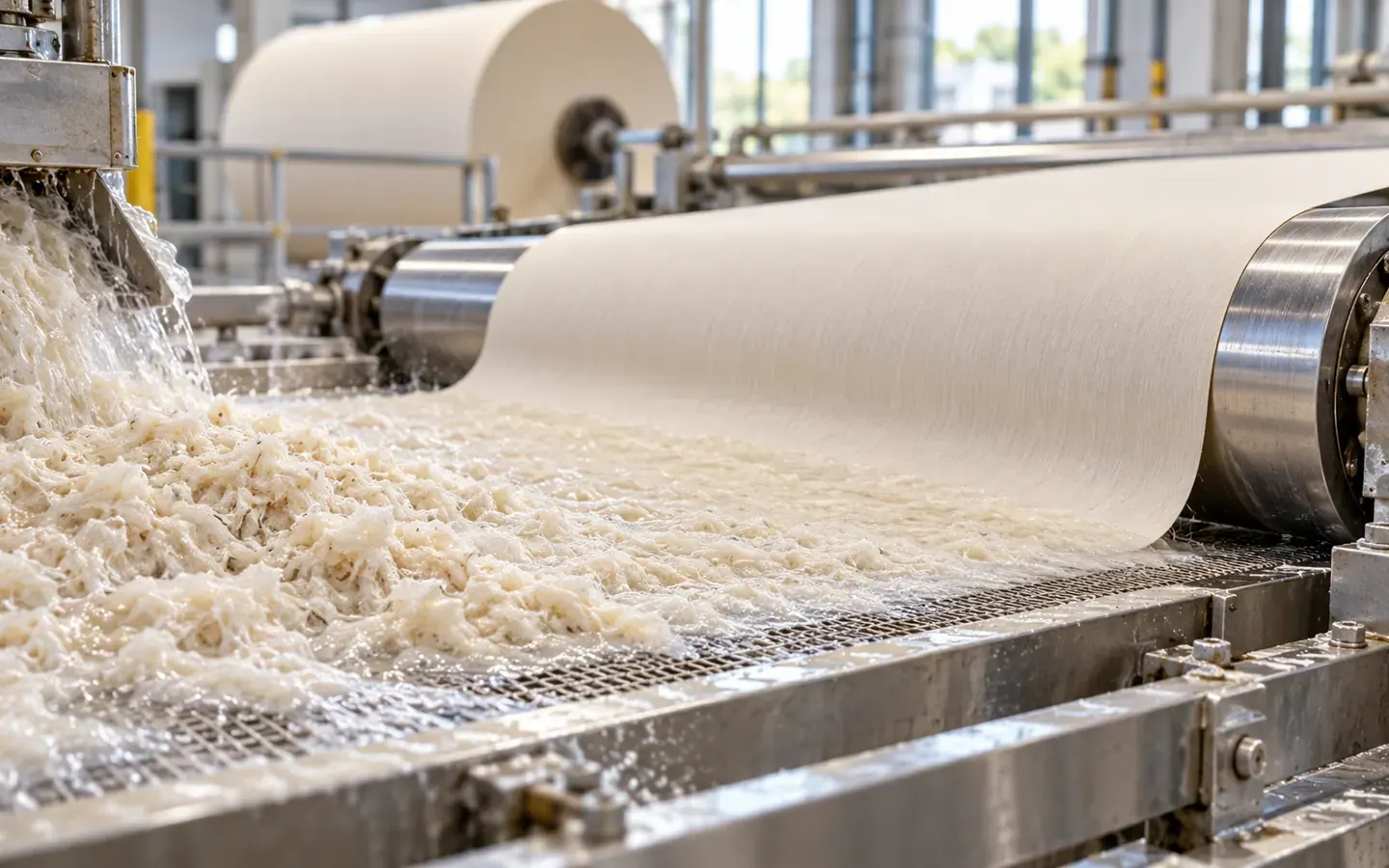 Basic
How Is Paper Recycled into New Products?
Follow recovered paper through pulping, contaminant removal and new-sheet formation, and learn why fibres cannot be recycled indefinitely.
5 min read


Sources
These sources are written for older readers. If they feel hard, read them with an adult.
- How Do I Recycle Common Recyclables(opens in a new tab)
US EPATier A: government, standards or research bodiesRead on October 31, 2026
- Facts About Glass(opens in a new tab)
Glass Packaging InstituteTier C: other sourcesRead on October 31, 2026