

How Do Mechanical and Chemical Recycling Differ?
- Intermediate
- Article
- Ages 12+
- 3 min read

Mechanical recycling reprocesses plastic without intentionally separating its chemical building blocks. Chemical and thermal approaches vary: some break polymers into smaller feedstocks, while purification can retain the polymer. They do not share a single mechanism.
Contents
What you will learn
- Compare approaches through material transformation.
- Separate depolymerization from purification.
- Follow outputs rather than relying on a technology label.
Before you start
Read the linked prerequisite first. This article explains principles and does not require assembling or opening equipment.
Compare what happens to the polymer
Mechanical recycling sorts, cleans, shreds and melts material for reprocessing. Incoming variability can complicate consistency.
Depolymerization breaks polymer bonds to produce monomers that can serve as building blocks for new plastics. The distinction is the level of material transformation, not whether machinery is used.
- Retained polymer chain
- Purified polymer
- Separated unit after depolymerization
Chemical treatment does not always break chains
EPA also describes solvent purification: dissolving a polymer and removing contaminants without breaking bonds between monomers. This differs importantly from depolymerization.
Chemical and thermal treatments can also produce chemical feedstocks or fuels. Ask whether a particular output is purified polymer, monomer, another feedstock or fuel.
What determines a suitable route?
Mechanical processing faces input and consistency limits. Other technologies can accommodate some complex or contaminated materials less suited to mechanical processing, without accepting every input.
Compare incoming material, main transformation and output destination. Fuel production should not be described as bottle-to-bottle recycling without a route back into plastic manufacturing.
A worked example
Consider hypothetical routes retaining polymer as clean material, producing monomers for new plastic, and producing fuel. State each output before comparing them. A route needs an actual return to plastic manufacturing to illustrate that loop; the label “chemical” does not establish the final destination.
Frequently asked questions
Does purification always break the polymer?
No. The described purification route retains bonds between monomers.
Is one route best for every plastic?
This article offers no universal ranking; examine specific inputs, processing and outputs.
Summary
- Mechanical recycling reprocesses the material.
- Depolymerization and purification have different mechanisms.
- Output use determines which loop is actually described.
Terms in this article
English and Vietnamese terms, with the meanings used here. Hover, tap or Tab to a term with a dotted underline for an explanation as you read.
- depolymerizationkhử trùng hợp
- Breaking polymer bonds to produce monomers.
This article is not marked as viewed
Spotted something wrong or unsafe?
Tell the administrator by email. The message already has the article title and address.
More in this topic
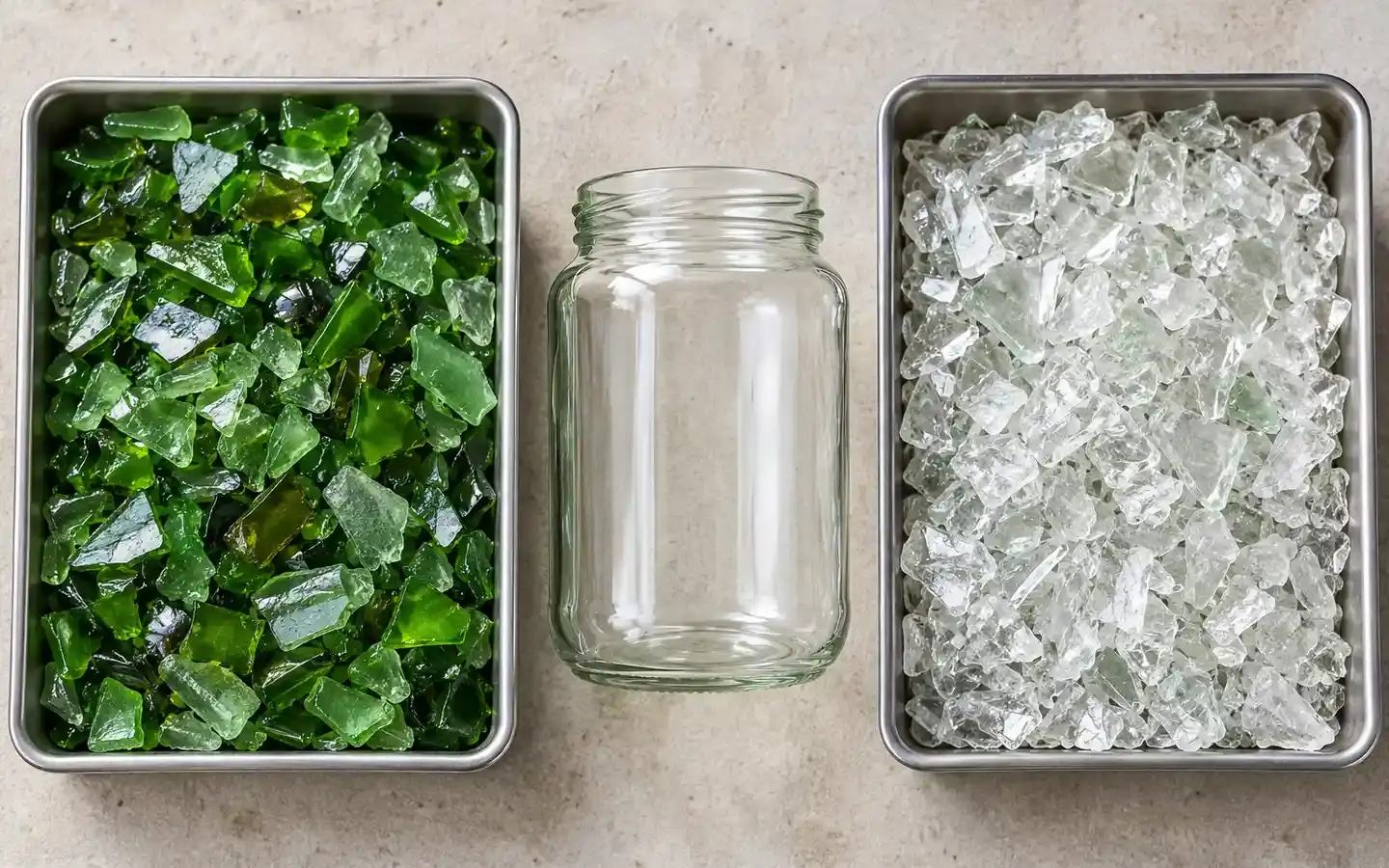 Intermediate
How Is Glass Recycled?
Follow glass bottles through sorting, contaminant removal, cullet preparation and remoulding; distinguish material recyclability from local collection.
3 min read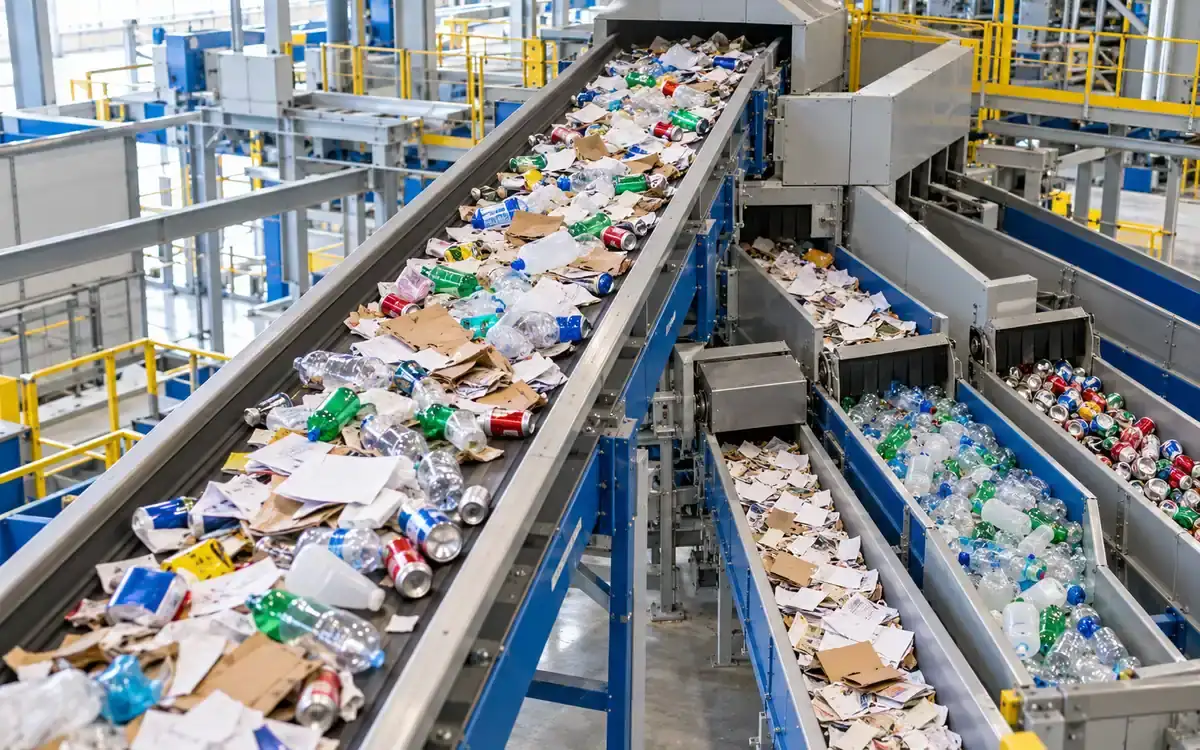 Starter
How Is Waste Sorted?
Follow sorting from the point of disposal to a materials recovery facility, and understand why local acceptance rules come before bin choice.
6 min read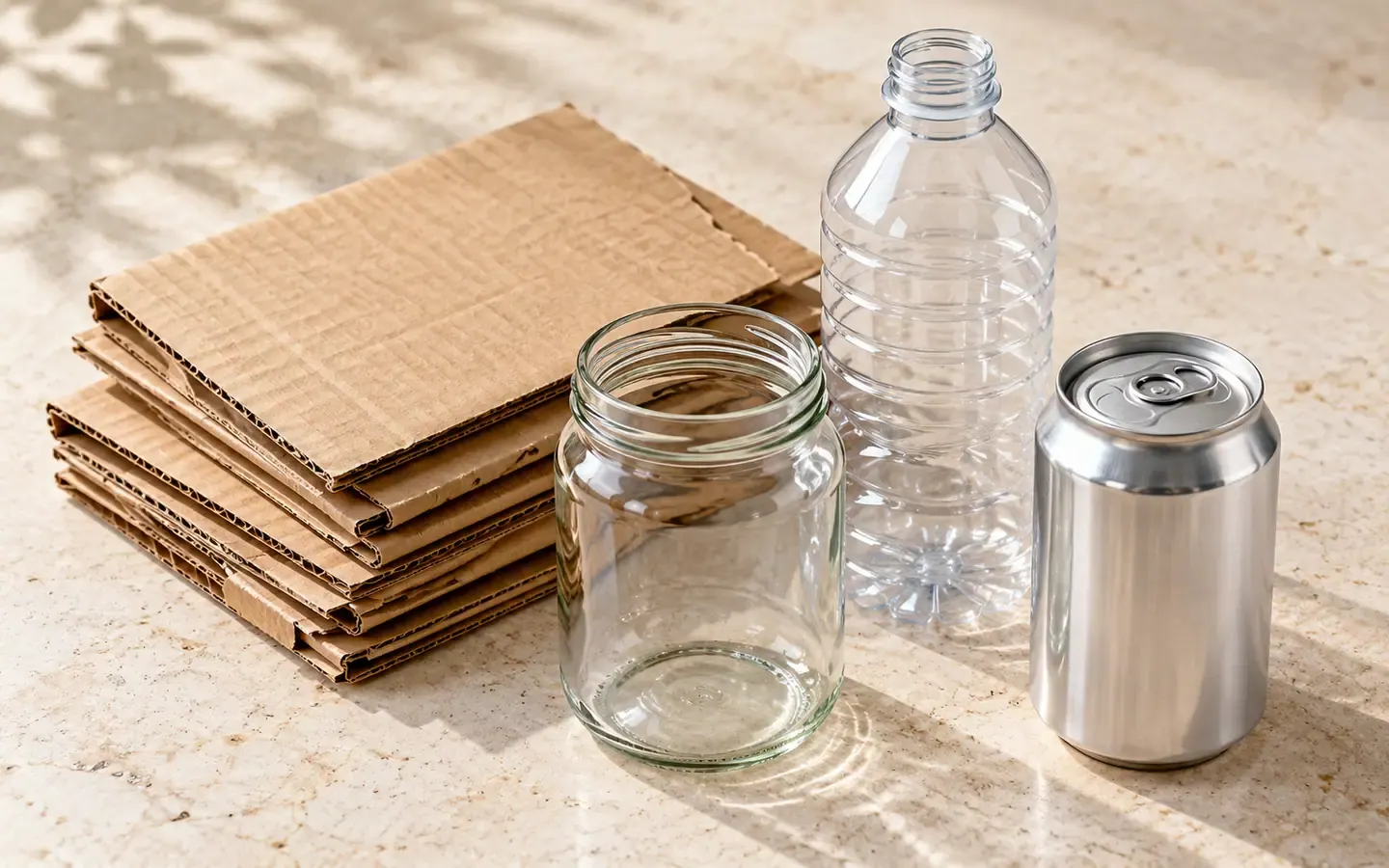 Starter
Which Materials Can Be Recycled?
Compare paper, plastic, glass and aluminium, distinguishing technical recyclability from acceptance by a local collection programme.
5 min read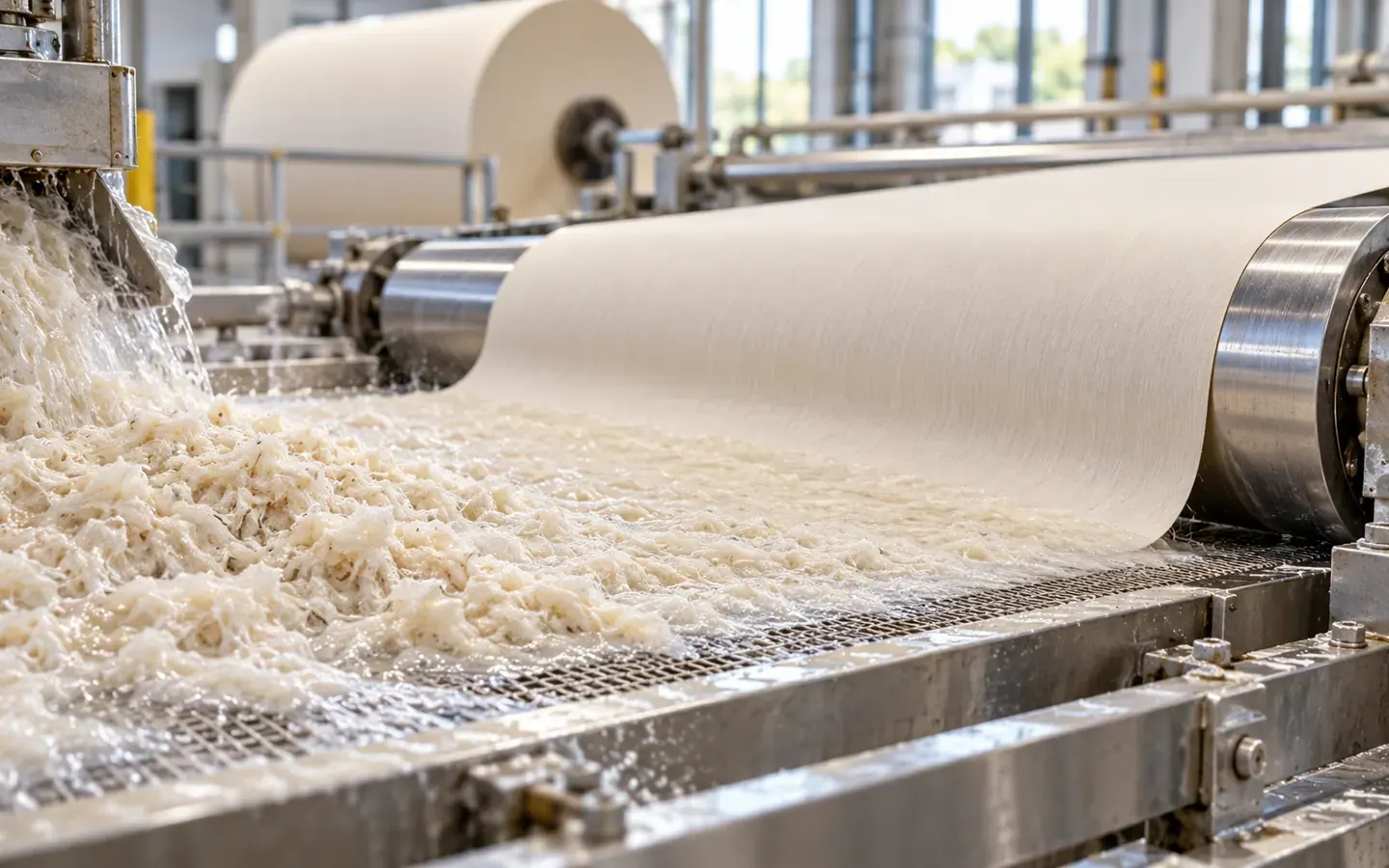 Basic
How Is Paper Recycled into New Products?
Follow recovered paper through pulping, contaminant removal and new-sheet formation, and learn why fibres cannot be recycled indefinitely.
5 min read


Sources
These sources are written for older readers. If they feel hard, read them with an adult.
- Advanced Recycling of Plastics(opens in a new tab)
US EPATier A: government, standards or research bodiesRead on October 31, 2026
- How Do I Recycle Common Recyclables(opens in a new tab)
US EPATier A: government, standards or research bodiesRead on October 31, 2026