

How Is Paper Recycled into New Products?
- Basic
- Article
- Ages 12+
- 5 min read

Contents
What you will learn
- Retell the steps that turn old paper into pulp.
- Explain how contaminants are removed and a new sheet is formed.
- Explain why paper fibres can be recycled only a limited number of times.
Before you start
It helps to know that paper is made of fibres. Other terms are explained as they appear.
How is old paper separated into fibres?
Paper needs fibre, and today fibre comes mainly from two sources: wood and recycled paper products. Pulp is a mixture of cellulose fibres and water, used as the basis of all paper products.
For recycled paper, the first step is to combine the recovered paper with water in a large vessel called a pulper. The pulper acts like a blender, separating the fibres in the paper sheets from each other. The result is a dilute mixture of fibres and water.
Picture soaking and stirring a sheet of paper in water until it falls apart. The pulper does that on an industrial scale. At this point only the fibres have been freed. There is no sheet yet.
How are contaminants removed and a new sheet formed?
The slurry then passes through screens and other separation processes to remove contaminants such as ink, clays, dirt, plastic and metals. The amount of contaminant that is acceptable depends on the type of paper being made. Mechanical equipment includes coarse and fine screens, centrifugal cleaners, and dispersion or kneading units that break apart ink particles.
Ink is handled by deinking. Special systems, aided by soaps or surfactants, wash or float ink and other particles away from the fibre.
The dilute mixture is then pumped onto rolling wire screen mats that vibrate slightly. Water drains out and the fibres interlock into sheets. The sheet passes through a series of rollers that press out the remaining moisture, followed by steam-heated drums that dry the paper. Finally it is wound onto rolls.
The order is easy to remember: pulp into fibres, screen out contaminants, deink, form the sheet on the screen, press, dry. Mills that process recovered paper are also set up to remove common contaminants such as staples and paper clips, so it is not necessary to remove them before recycling.
Why can paper not be recycled forever?
Every time paper is recycled, the fibres get shorter. A fibre can generally be used five to seven times before it becomes too short for new paper. At that point it can no longer bond into a sheet.
Mills make up for this with new fibre. New fibre is added to replace the unusable fibre that washes out of the pulp during recycling. A single sheet may contain new fibres as well as fibres that have been recycled several times. Products can be made entirely of recovered fibre, which means 100% recycled content, or from a blend of recovered and virgin fibre.
The type of paper matters too. Recovered paper with long fibres, such as office paper, has the greatest flexibility for recycling because it can make products using either long or short fibres. Paper with short fibres, such as newspaper, can only be recycled into other short-fibre products. For this reason, long-fibre paper is generally of higher value.
Real-world example
Follow a printed office sheet. It enters the pulper with water and falls apart into fibres. Ink and staples are removed during screening and deinking. The fibres interlock into a new sheet, which is pressed and dried.
If the sheet was made from long fibres, it has many options in recycling. After a number of cycles the fibres have shortened and new fibre must be added. The sheet you are holding may be a blend of new fibres and fibres that have been through several cycles.
Common misunderstandings
Recycling paper is not drying and re-pressing the old sheet. The sheet is broken fully into fibres in water, then formed again into a new sheet.
Paper is not recyclable without limit. After about five to seven cycles the fibres are too short.
You do not have to remove staples or paper clips before recycling. The mill has a step that removes them.
Frequently asked questions
Can paper be recycled forever?
No. Fibres get shorter each time. After about five to seven cycles they are too short to bond into new paper.
How is ink removed from paper?
By deinking: special systems, aided by soaps or surfactants, wash or float ink away from the fibre.
Do I need to remove staples before recycling paper?
No. Mills that process recovered paper have steps that remove staples and paper clips.
Summary
Terms in this article
English and Vietnamese terms, with the meanings used here. Hover, tap or Tab to a term with a dotted underline for an explanation as you read.
- fibressợi
- Cellulose elements forming the basis of paper sheets.
- pulpbột giấy
- A mixture of cellulose fibres and water used in papermaking.
- pulpermáy nghiền bột
- A large vessel that combines recovered paper with water to separate its fibres.
- deinkingkhử mực
- The step that washes or floats ink and other particles away from paper fibre.
This article is not marked as viewed
Spotted something wrong or unsafe?
Tell the administrator by email. The message already has the article title and address.
More in this topic
 Basic
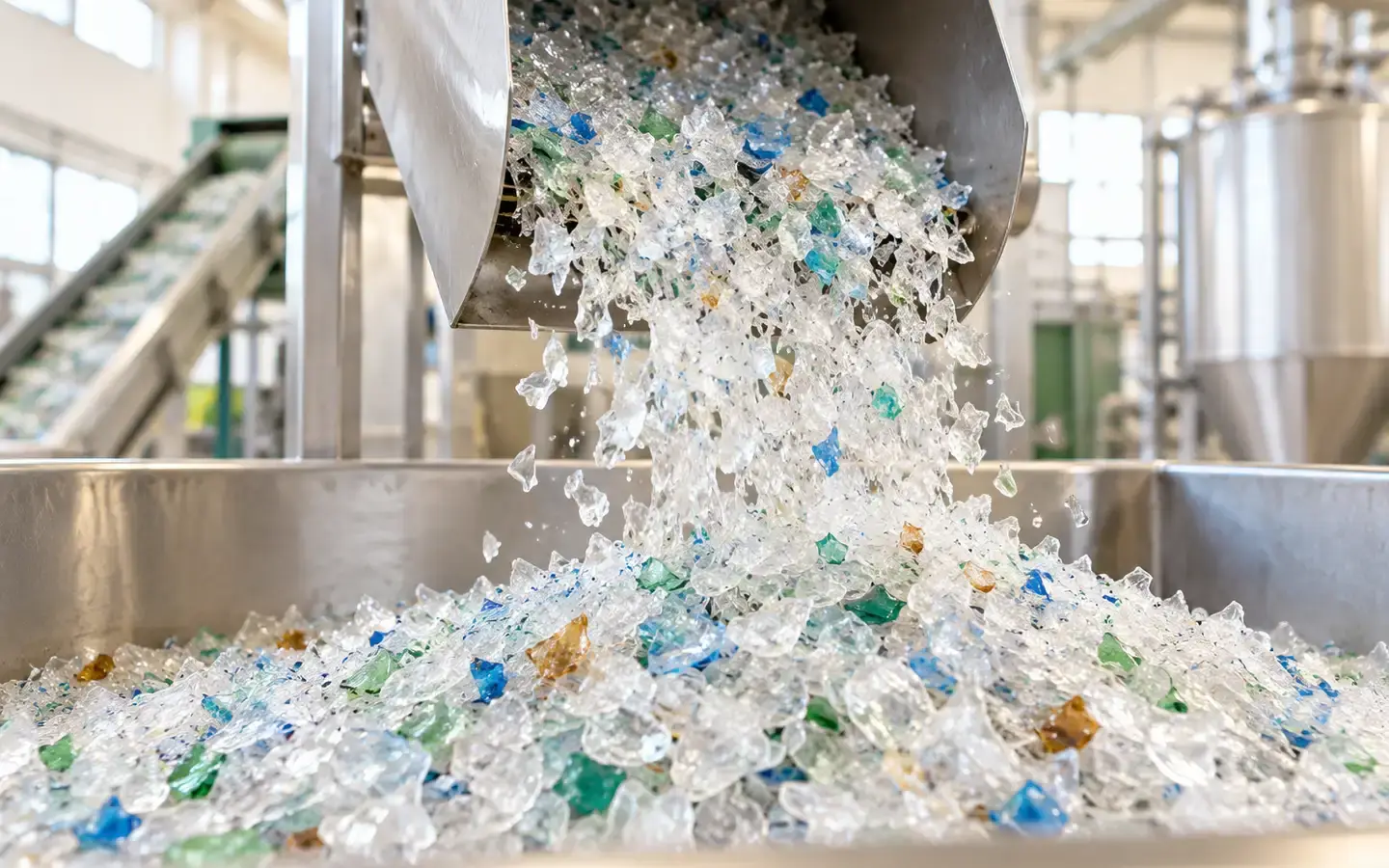
How Is Plastic Recycled?
Follow plastics through sorting, cleaning, shredding and reprocessing; understand why incoming material and local collection determine practical recycling.
3 min read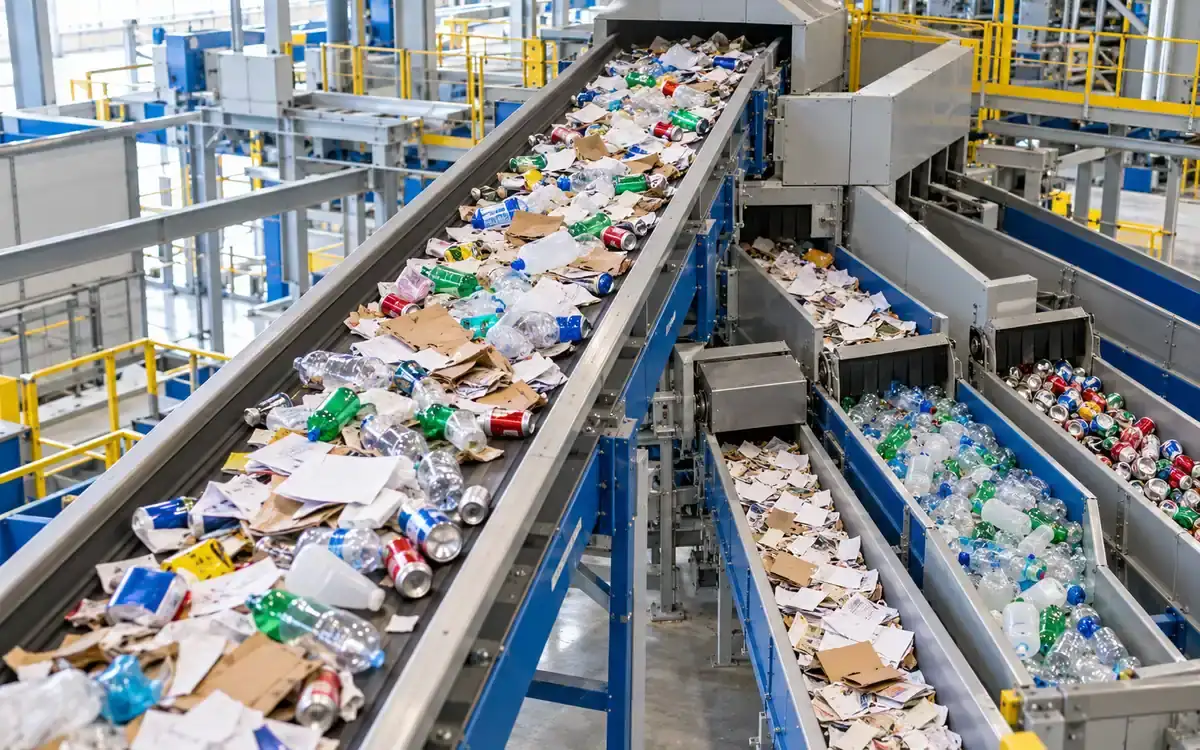 Starter
How Is Waste Sorted?
Follow sorting from the point of disposal to a materials recovery facility, and understand why local acceptance rules come before bin choice.
6 min read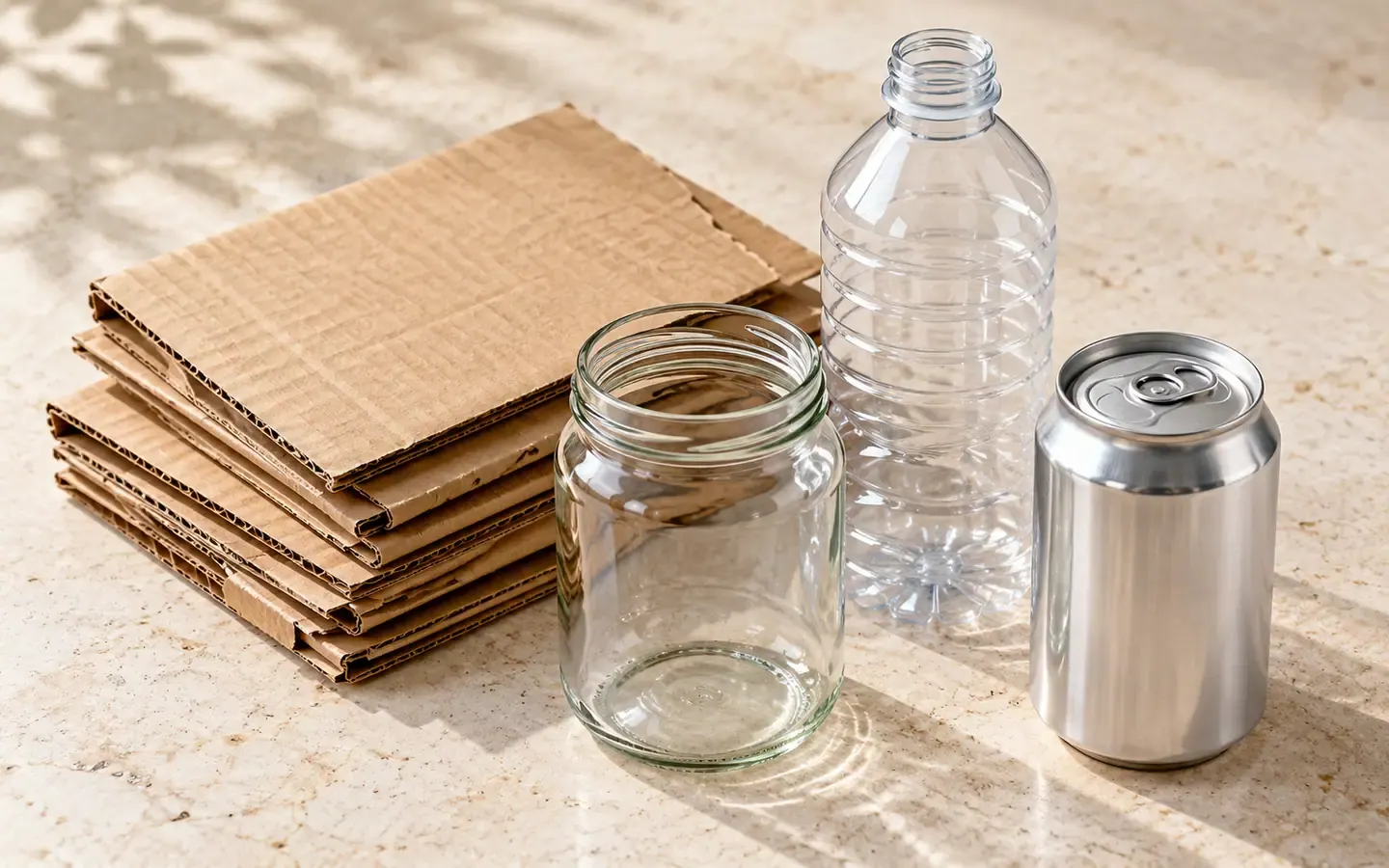 Starter
Which Materials Can Be Recycled?
Compare paper, plastic, glass and aluminium, distinguishing technical recyclability from acceptance by a local collection programme.
5 min read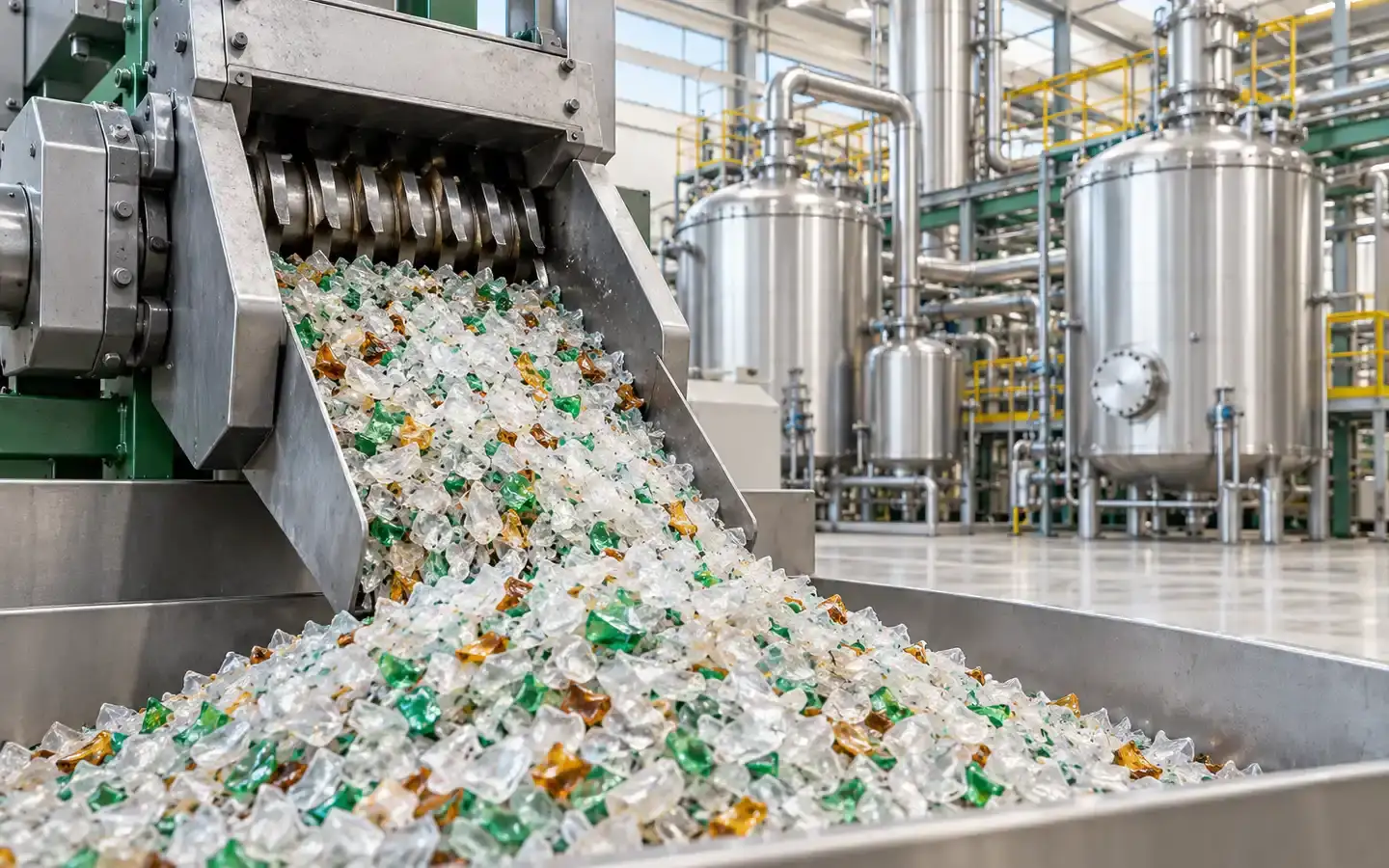 Intermediate
How Do Mechanical and Chemical Recycling Differ?
Compare mechanical and chemical recycling by polymer changes, inputs and outputs; distinguish depolymerization, purification and fuel-producing pathways.
3 min read


Sources
These sources are written for older readers. If they feel hard, read them with an adult.
- Paper Making and Recycling(opens in a new tab)
US EPATier A: government, standards or research bodiesRead on October 31, 2026
- Frequent Questions: Paper Recycling(opens in a new tab)
US EPATier A: government, standards or research bodiesRead on October 31, 2026