

How Is Plastic Recycled?
- Basic
- Article
- Ages 12+
- 3 min read

Mechanical recycling of plastic sorts, cleans, shreds and thermally reprocesses material for new products. A collection bin is only the beginning; material quality and acceptance determine what can happen afterward.
Contents
What you will learn
- Follow plastic through processing stages.
- Distinguish collection from completed recycling.
- Explain why incoming quality matters.
Before you start
Read the linked prerequisite first. This article explains principles and does not require assembling or opening equipment.
Sort to select an appropriate input
Collected plastic is not one uniform material stream. Facilities sort it before processing; EPA notes that variability can produce inconsistent recycled properties.
For a user, a material symbol does not establish local acceptance. EPA guidance describes a US context; follow the collection service actually operating where you live.
- Illustrative input bottle
- Processing stage
Clean, shred and reprocess
After sorting, cleaning removes unwanted material and shredding creates smaller pieces. Suitable plastic is melted and reprocessed mechanically. These stages change its form without intentionally breaking down chemical building blocks as depolymerization does.
Trace an item into flakes and then material for manufacturing. This describes an industrial process, not instructions for melting plastic at home.
Why might an item fail to become a new product?
Inconsistent incoming properties can make recycled plastic harder to use in new products. The material stream must suit the process and the receiving manufacturer’s requirements.
Do not infer that every plastic is recyclable everywhere. A technology’s capability differs from an available collection, sorting and manufacturing route.
A worked example
On paper, follow a hypothetical plastic bottle accepted by a local programme: collection → sorting → cleaning → shredding → reprocessing → manufacturing input. If the programme does not accept that item, the route lacks an appropriate collection step; do not draw later stages as an achieved outcome.
Frequently asked questions
Does a material symbol guarantee collection?
No. Check the actual collection programme.
Does mechanical recycling break polymers into monomers?
That is not the defining feature of the mechanical process described here.
Summary
- Sorting and cleaning prepare the input.
- Shredding and reprocessing prepare material for reuse.
- Collection alone does not guarantee a new product.
Terms in this article
English and Vietnamese terms, with the meanings used here. Hover, tap or Tab to a term with a dotted underline for an explanation as you read.
- mechanical recyclingtái chế cơ học
- Reprocessing plastic through sorting, cleaning, shredding and melting.
This article is not marked as viewed
Spotted something wrong or unsafe?
Tell the administrator by email. The message already has the article title and address.
More in this topic
 Basic
How Is Paper Recycled into New Products?
Follow recovered paper through pulping, contaminant removal and new-sheet formation, and learn why fibres cannot be recycled indefinitely.
5 min read Starter
How Is Waste Sorted?
Follow sorting from the point of disposal to a materials recovery facility, and understand why local acceptance rules come before bin choice.
6 min read Starter
Which Materials Can Be Recycled?
Compare paper, plastic, glass and aluminium, distinguishing technical recyclability from acceptance by a local collection programme.
5 min read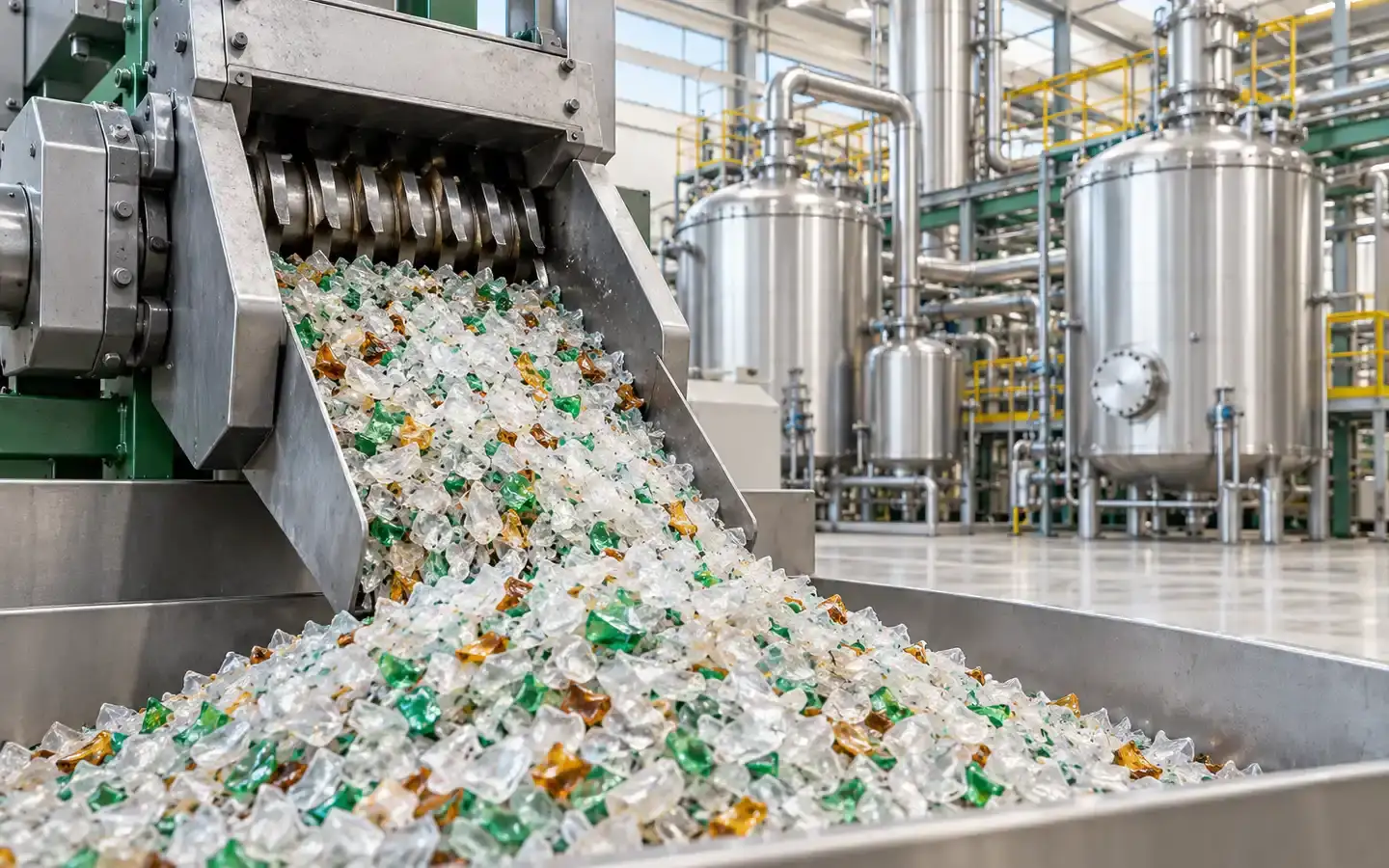 Intermediate
How Do Mechanical and Chemical Recycling Differ?
Compare mechanical and chemical recycling by polymer changes, inputs and outputs; distinguish depolymerization, purification and fuel-producing pathways.
3 min read


Sources
These sources are written for older readers. If they feel hard, read them with an adult.
- Advanced Recycling of Plastics(opens in a new tab)
US EPATier A: government, standards or research bodiesRead on October 31, 2026
- How Do I Recycle Common Recyclables(opens in a new tab)
US EPATier A: government, standards or research bodiesRead on October 31, 2026