

How Do Material Symbols and Collection Instructions Differ?
- Starter
- Article
- Ages 10+
- 5 min read

A symbol on packaging tells you the kind of material, while a collection instruction tells you whether the programme where you live accepts it. According to the US EPA, the number inside the triangle on the bottom of a plastic bottle identifies the type of plastic, and the symbol does not necessarily mean the item can be collected for recycling in your community.
Contents
- Symbol on the base
- Local programme's list
What you will learn
- Say what a plastic symbol on a bottle's base does and does not tell you.
- Explain what a local collection instruction decides.
- Know what to check before putting a symbol-marked item in the bin.
Before you start
You only need to know that many plastic items carry a triangle of arrows with a number on the base.
What does the symbol on packaging tell you?
It tells you the type of plastic. According to the US EPA, these symbols were created to identify the type of plastic used for the container, which can help you work out whether your local programme recycles it. The number sits inside a triangle that looks very much like the recycling symbol.
According to Pinellas County, the code is called a Resin Identification Code. Many people assume a package with the code is automatically recyclable, but that is not the case: packages with the code may or may not be recyclable.
- Bottle with code
- Bag with same code
- Recycling bin
What does a collection instruction tell you?
A collection instruction tells you which items your local programme accepts. According to the US EPA, not all kinds of recyclables are collected in every community, so you should check with your local programme.
Each place can set its own rules. According to Pinellas County, there you should recycle by the size and shape of the container: if a plastic container has an opening smaller than its base or neck, it counts as a bottle or jug and is recyclable; otherwise it is best left out of the mixed recycling bin.
- Opening smaller than base
- Opening as wide as base
When the two disagree, which one wins?
The collection instruction wins, because it describes what the programme actually does. According to Pinellas County, a plastic bag and a plastic bottle may carry the same code, yet plastic bags are not recyclable in mixed recycling programmes. The same source says foam food trays may carry a code while foam packaging is not recyclable in those programmes.
Real-world example
Picture a wide-mouthed plastic tub and a narrow-necked plastic bottle, both with a symbol. This is a hypothetical walk-through using one locality's shape rule. Under that rule the narrow-necked bottle goes in the bin and the wide-mouthed tub does not, even though their symbols match. Your own area may set a different rule, so check your programme's guidance.
Common misunderstandings
A triangle of arrows does not mean the item is recyclable where you live. It only tells you the type of plastic.
You also cannot work out from the number which bin an item belongs in. That decision sits in the local collection instruction.
Frequently asked questions
What is the number in the triangle on a plastic bottle?
A code that identifies the type of plastic used for the container.
Does a plastic code mean it is recyclable?
Not necessarily. A package with the code may or may not be recyclable, depending on the local programme.
How do I know which items go in the bin?
Check the guidance of your local collection programme, since not all kinds of recyclables are collected everywhere.
Summary
- A symbol on packaging identifies the type of plastic.
- A collection instruction says which items your local programme accepts.
- When the two disagree, follow the collection instruction.
Terms in this article
English and Vietnamese terms, with the meanings used here. Hover, tap or Tab to a term with a dotted underline for an explanation as you read.
- Resin Identification Codemã nhận dạng nhựa
- The number inside a triangle on plastic packaging that names the type of plastic.
- collection instructionhướng dẫn thu gom
- A local programme's rule on which items go into the bin.
- mixed recycling programmechương trình tái chế hỗn hợp
- A programme that collects several kinds of recyclables together in one bin.
This article is not marked as viewed
Spotted something wrong or unsafe?
Tell the administrator by email. The message already has the article title and address.
More in this topic
 Starter
How Is Waste Sorted?
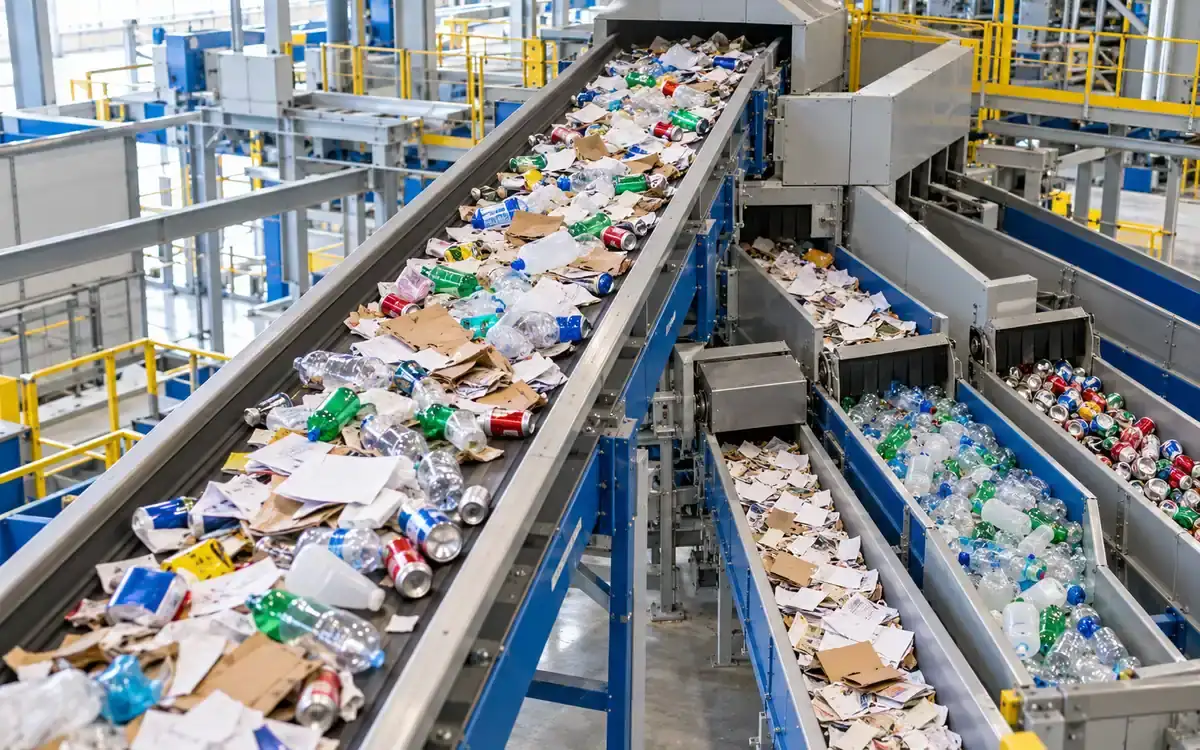
Follow sorting from the point of disposal to a materials recovery facility, and understand why local acceptance rules come before bin choice.
6 min read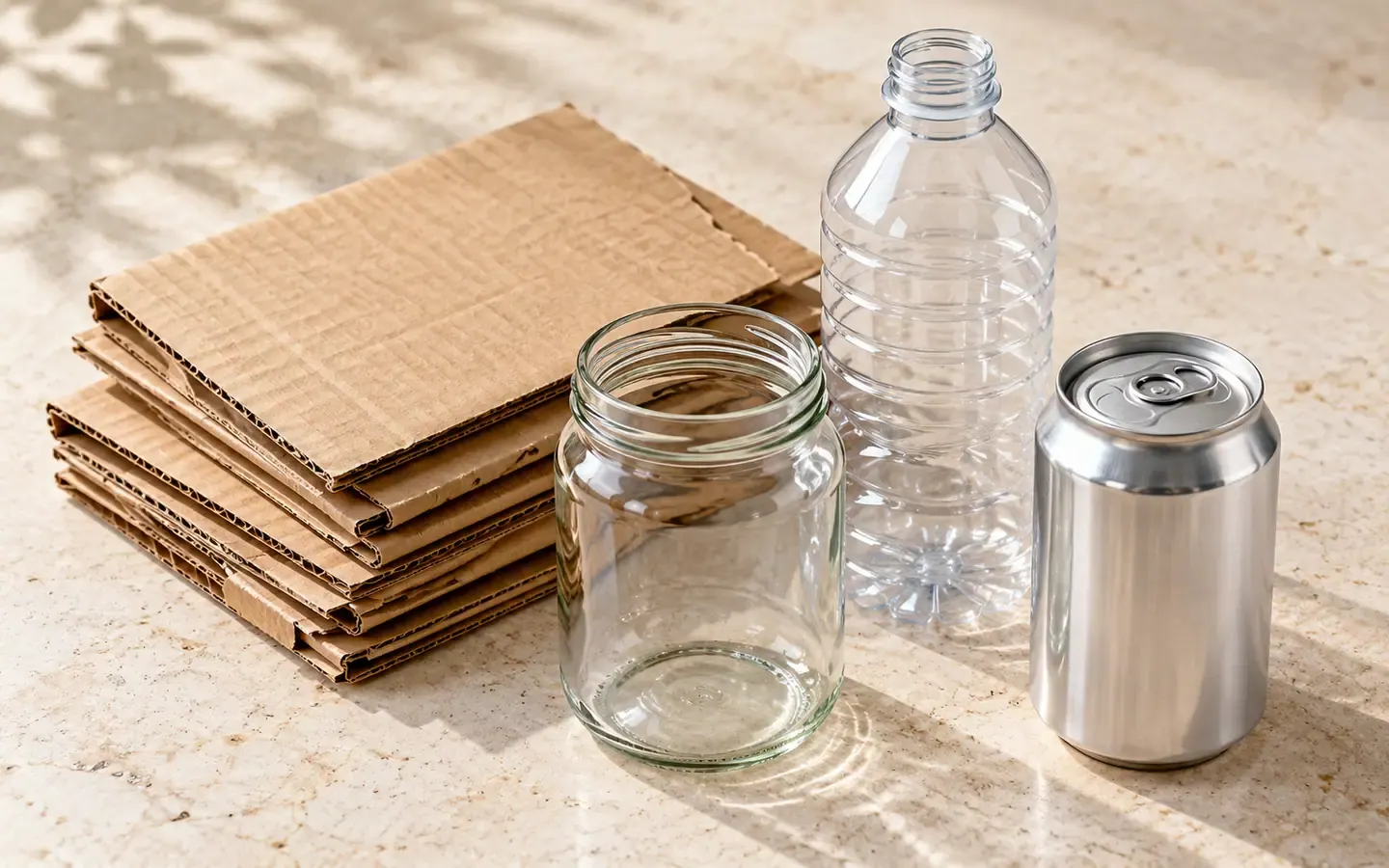 Starter
Which Materials Can Be Recycled?
Compare paper, plastic, glass and aluminium, distinguishing technical recyclability from acceptance by a local collection programme.
5 min read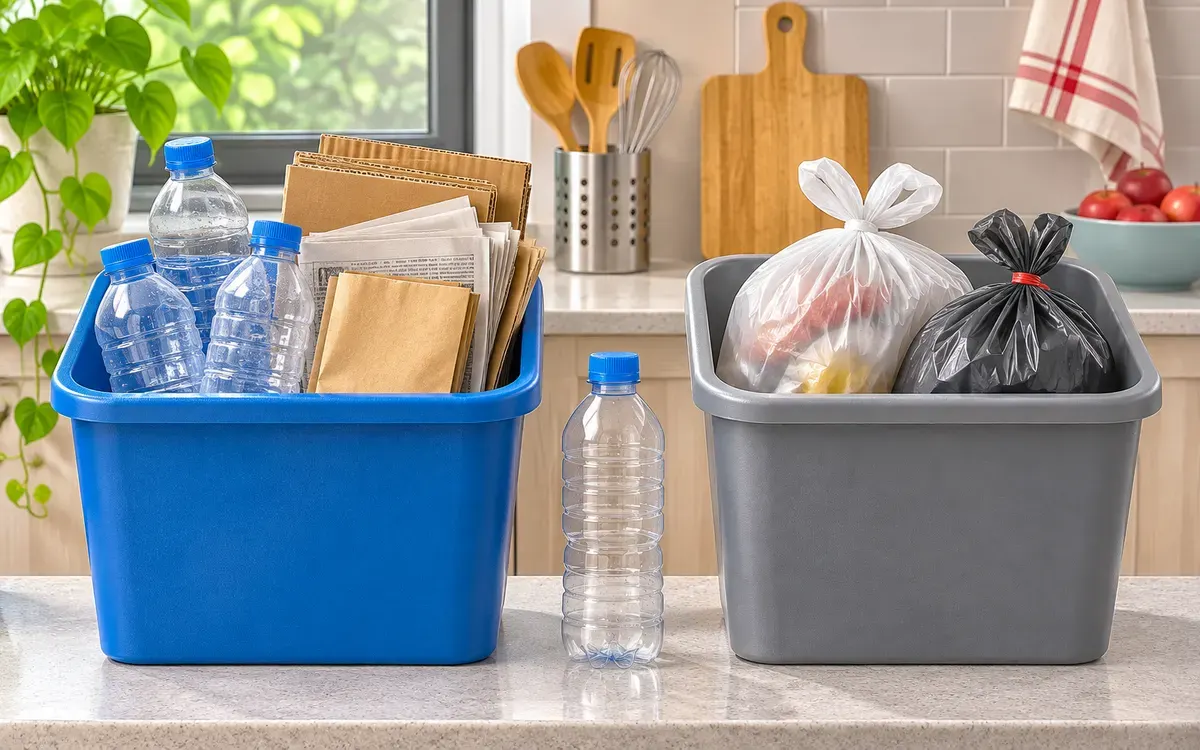 Starter
What Does Source Separation Contribute?
Source separation directs recyclables into the right collection route. See why misplaced items may be lost and why local rules matter.
5 min read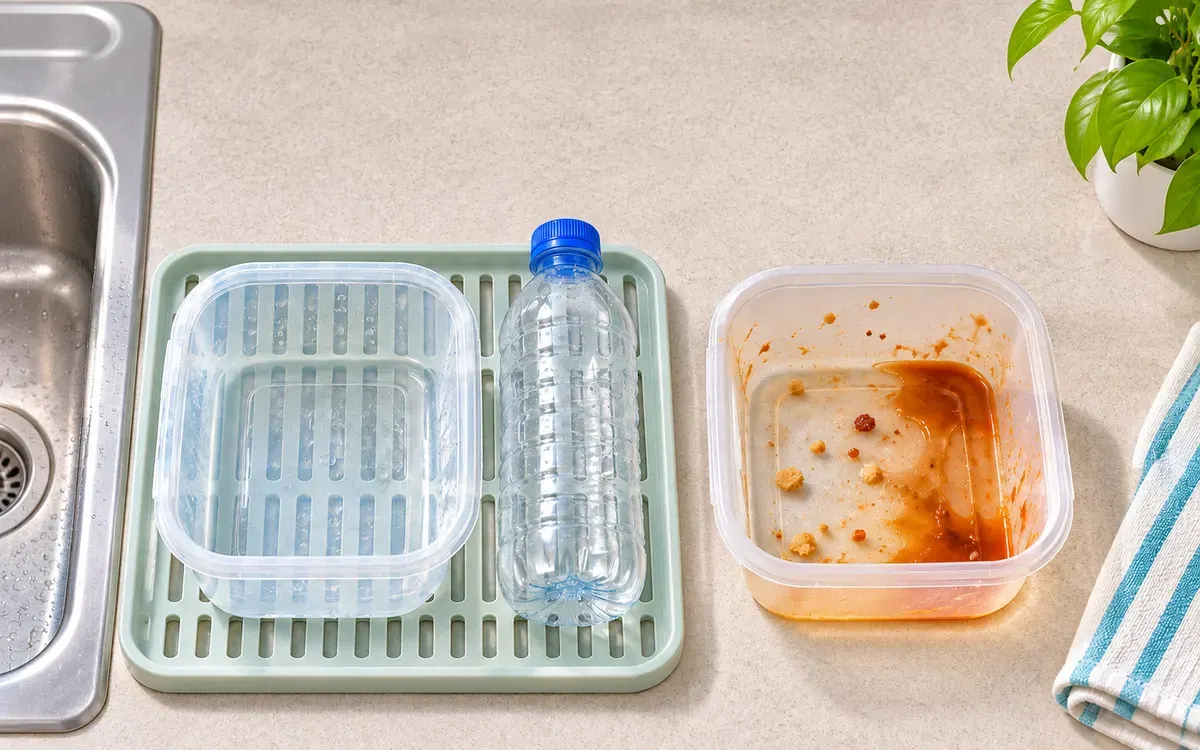 Starter
What Requirements Define a Clean Material Stream?
The right kind of item and clean enough, spatula-clean. See why one dirty item can affect the whole stream of recyclables.
5 min read


Sources
These sources are written for older readers. If they feel hard, read them with an adult.
- How do I recycle common recyclables?(opens in a new tab)
US EPATier A: government, standards or research bodiesRead on November 3, 2026
- Recycling FAQ(opens in a new tab)
Pinellas CountyTier A: government, standards or research bodiesRead on November 3, 2026
- Recycling Basics and Benefits(opens in a new tab)
US EPATier A: government, standards or research bodiesRead on November 3, 2026